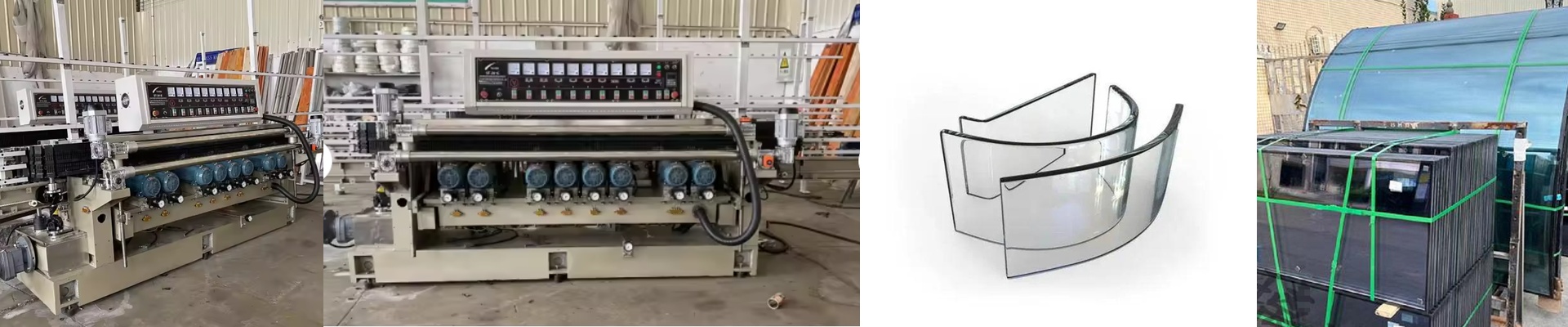
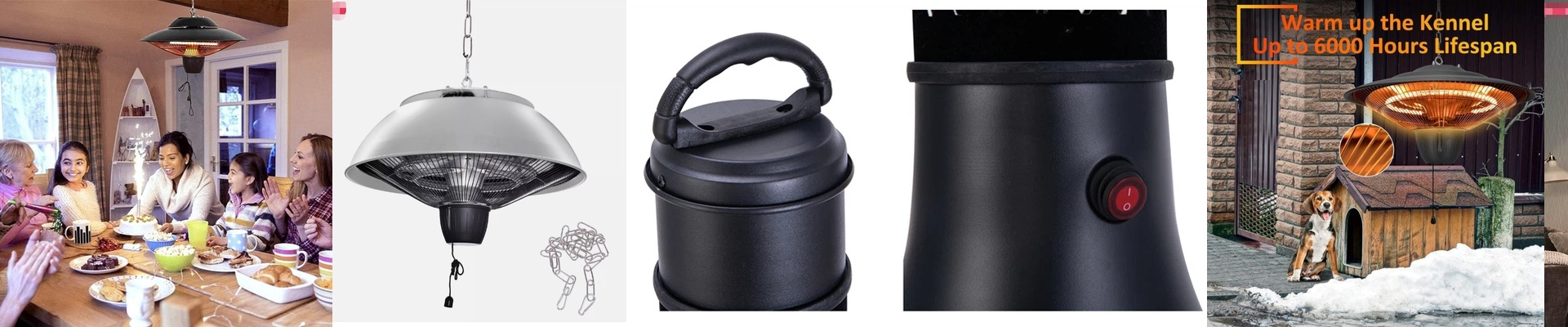
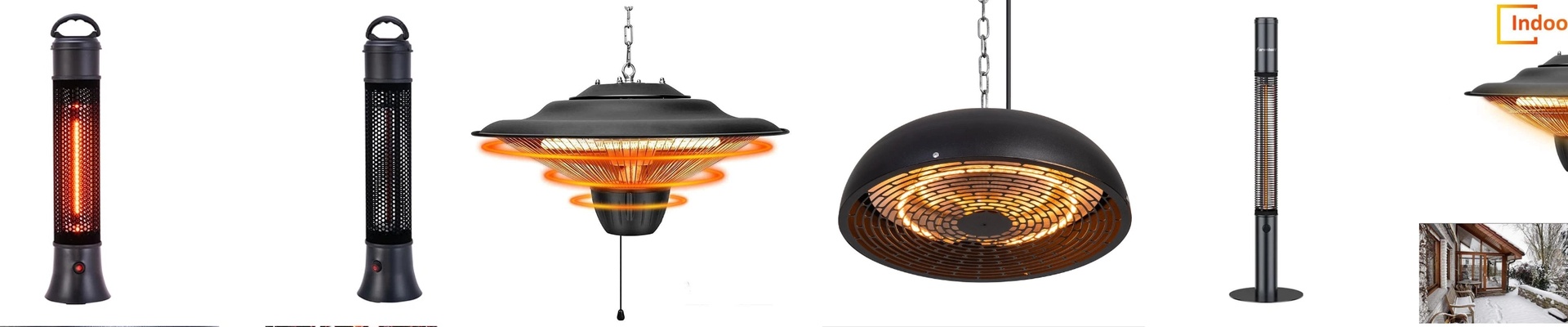
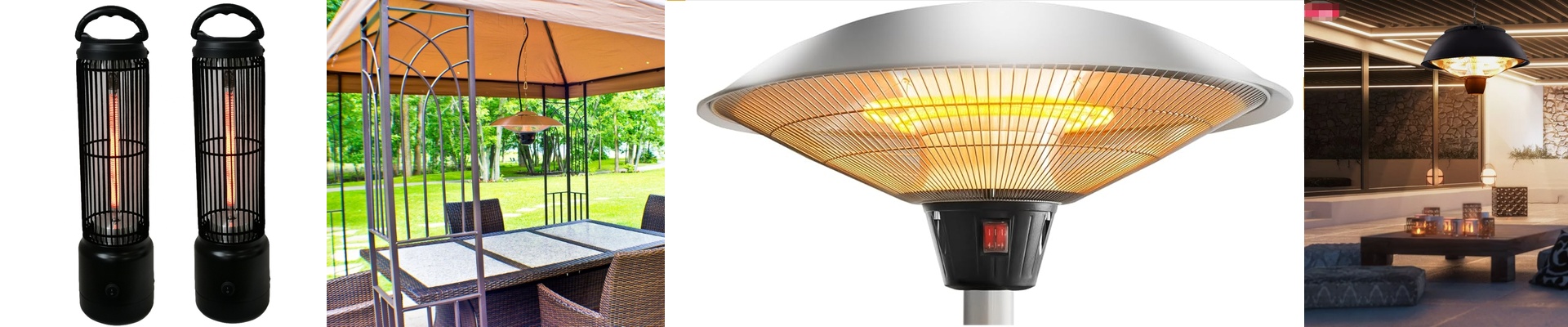
Keeping the Line Moving: Fast-Response IR Heating for Glass
In a glass production plant, downtime is the enemy. Everything has to keep moving. If your heating elements take forever to reach temperature or start drifting, your whole flow hits a wall. That’s why we lean on shortwave infrared (IR) lamps and SK15 ceramic holders for online annealing. It just works.
Let’s talk about the SK15 holder
Here’s the thing: when you’re pushing high wattage, the ends of an IR lamp get scary hot. We’re talking hot enough to melt right through standard plastics or chew up cheap resins. That’s why we use ceramic for the SK15 holder. It doesn’t warp, even when the heat gets intense. Plus, it keeps the electrical contact tight, which means you don’t have to worry about arcing at the terminals. It sounds like a small detail, but if that holder fails, your lamp burns out. Simple as that. Using ceramic just takes that risk off the table.
Why speed is everything
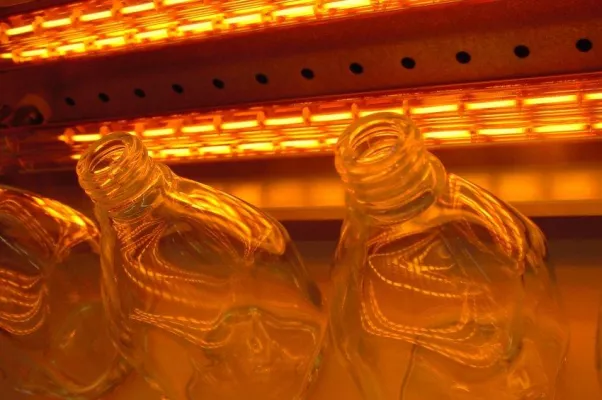
Annealing glass is all about getting those thermal gradients just right to kill off internal stress. The problem with old-school ovens is the lag. They’re slow. Shortwave IR is different. It beams energy straight into the glass surface. No waiting for air to heat up. It’s fast. Really fast. You can crank the heat up or dial it back almost instantly. This is huge when your line speed changes. If you decide to speed up the conveyor, you just bump the power. You don’t have to sit around waiting for a massive heating chamber to catch up to your pace.
The practical side of things
Now, this kind of power doesn’t come for free. High-density IR heating puts a real strain on your power supply. When you’re wiring up a bank of these lamps, the current draw is heavy. You’ll want to make sure your cabling and breakers are spec’d for the peak load so you aren’t tripping switches mid-shift. And a quick tip: since the heat is so concentrated, give those ceramic bases some breathing room. A bit of airflow prevents “heat soak” from eating through your wiring insulation. It’s a straightforward setup that turns a clunky batch process into a smooth, continuous line. You just drop them in and keep the glass moving.