Getting Glass Annealing Right After Silk-Screening
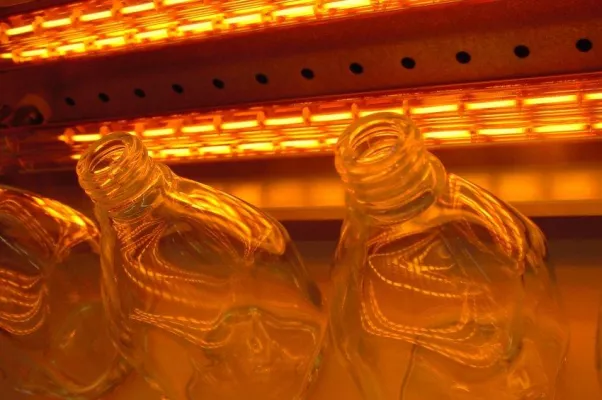
Here’s the deal: once you’ve run glass through a silk-screen process, you’re in a bit of a tight spot. The ink needs to set, but the glass itself is holding onto a lot of internal stress. If you mess up the annealing part, you’re looking at two big headaches. Either your crisp pattern turns into a blurry mess, or you end up with glass that shatters the second someone looks at it the wrong way. Keeping your patterns sharp We stick with shortwave infrared (IR) lamps for a reason. They punch through the glass surface fast. You’re looking for that “sweet spot” where the ink bonds perfectly, but the glass doesn’t warp and the ink doesn’t bleed. If you heat things up too slowly, the ink starts to migrate. It ruins the sharpness. But those fast, high-density IR bursts? They lock everything in place instantly. The temperature balancing act The real trick is managing the temperature gap. You need enough heat to let the glass relax—that’s the annealing part—but if you blast the whole piece of glass with too much heat, it’ll warp. That’s why we use lamps that provide a concentrated hit of heat. By simply adjusting the distance between the lamp and the glass, you can dial in exactly how that heat spreads. And keep a close eye on your dwell time. Stay in the tunnel too long and you’ll over-bake the ink. Get out too fast and the glass stays brittle. It’s a fine line. The trade-off Now, you might think, “Why not just crank up the wattage to speed up the line?” You can. But there’s a catch. That kind of heat puts a massive strain on your conveyor bearings and the housing. If you push the lamps to the limit to get more product out the door, you’d better make sure your cooling fans can handle it. Otherwise, you’ll be replacing burnt-out lamp sockets more often than you’d like. It really comes down to a constant tug-of-war between how fast you want the line to move and how long you want your hardware to last.