Stop Your Glass From Cracking: The Secret to Rapid IR Modulation
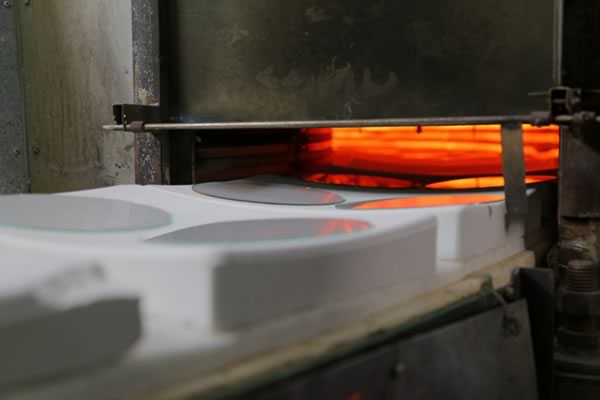
Sealing glass tubes is a bit of a tightrope walk. You need to get it hot enough to seal, but if you blast it with heat too quickly—or let it cool down too fast—the whole thing just snaps. It’s frustrating. That’s why we use shortwave infrared (IR) lamps. They give us the kind of instant control you need for things like flash tempering or annealing without the guesswork. Why speed actually matters To keep the glass from shocking and cracking, your heating system needs to react in milliseconds. Here’s the thing: standard resistive heaters are slow. They stay hot long after you flip the switch. But shortwave IR lamps? They have almost zero thermal inertia. The second you cut the power, the radiation stops. This lets us use a “stepped” approach. You can ramp up to your sealing temp, hold it right there, and then throttle the power back to make sure the glass cools down evenly. No sudden drops, no cracks. The gear you actually need You’ll want high-wattage quartz halogen lamps for this. They pack a punch. Because they concentrate energy into a narrow band, the heat actually sinks into the glass instead of just scorching the surface. One quick tip: make sure your lamp length matches your tube diameter. If you don’t, you’ll end up with “cold spots,” and uneven expansion is a one-way ticket to a broken tube. But be careful. Pushing that much wattage through a small lamp gets the end caps incredibly hot. If your wiring or connectors aren’t built for that kind of heat, you’re going to melt your sockets. Making it all work together If you want that lightning-fast response time, you have to use an SCR or a fast-switching PWM controller. There’s no other way to get the precision you need. Plus, there’s a catch. High-speed switching creates electrical noise. It can mess with your nearby sensors and make your PID loops go haywire. The fix is simple: use shielded cabling. It keeps the signal clean and your process stable.