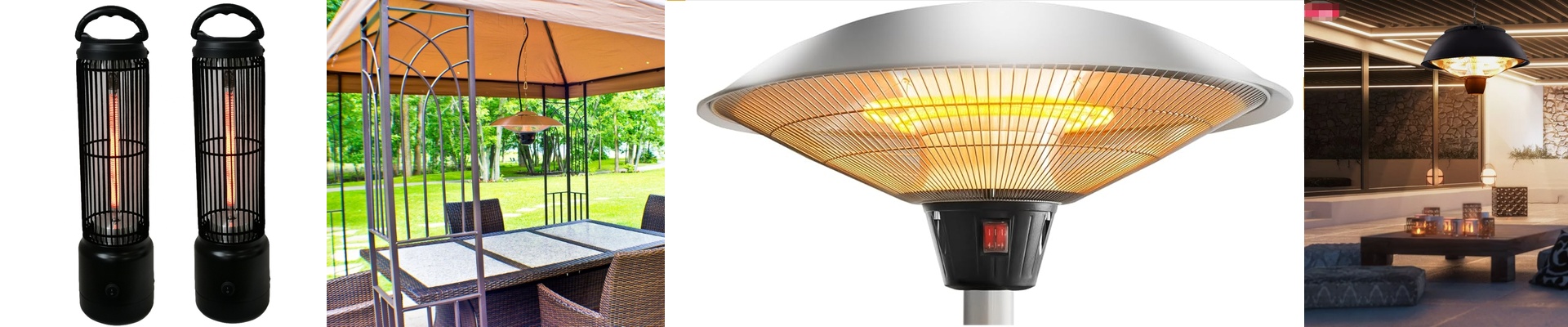
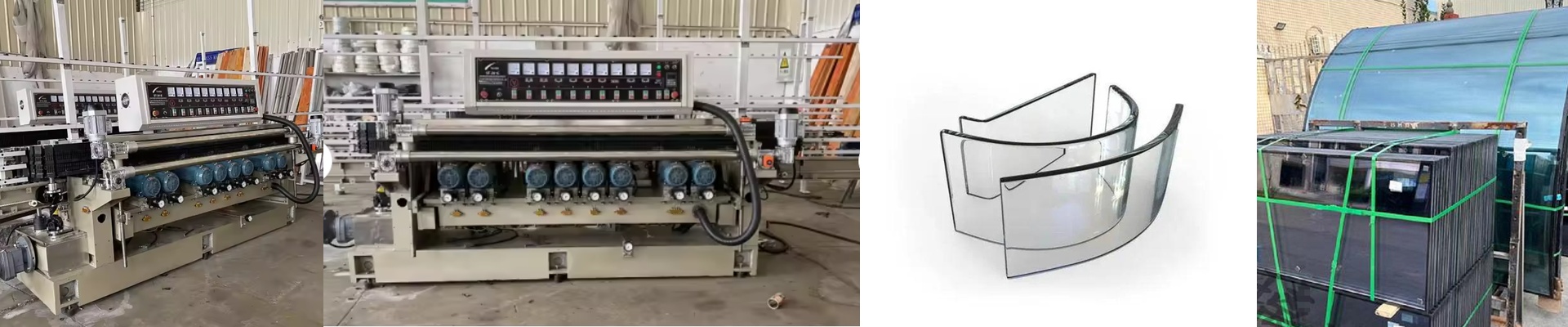
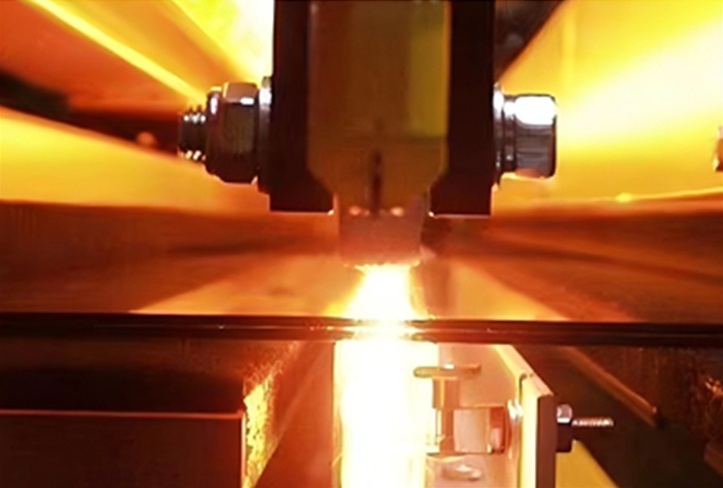
When you’re tempering glass right after screen printing, you’re basically walking a tightrope. You need enough heat to get that strength and stress into the glass, but if you go overboard, you’ll torch the ink or watch your crisp patterns start to bleed. It’s a delicate balance. To get this right, we rely on shortwave infrared (IR) lamps. Here’s why: shortwave IR dives straight into the glass. It lets us hit that tempering sweet spot quickly without letting the ink simmer in the heat for too long. If you try to do this with old-school convection or a slow ramp-up, the ink just sits there getting cooked. That’s how you end up with faded colors or blurry edges. By tweaking the wattage and where the lamps sit, we can heat the glass itself while keeping the ink on the surface safe. It really comes down to heat density. We use high-wattage lamps to get that sudden spike of energy needed for tempering. But you can’t just guess. You have to map the temperature across the whole width of the glass. If you have a cold spot, the stress isn’t even, and the glass will fail the fragment test. Simple as that. We usually go with quartz-halogen tubes. They’re great because they react instantly. You flip a switch, and the heat is there. You flip it off, and it’s gone. It gives you a level of control over the heat flow that you just don’t get with other systems. But there is a catch. Running these lamps at full blast puts a massive amount of heat on the furnace frame. You can’t just crank the voltage to speed up your line and hope for the best. If your cooling blowers aren’t up to the task, your sockets will fry and your wiring will start to degrade. It’s all about the trade-off. You have to find that perfect rhythm between your line speed and the IR intensity. That way, the ink sets perfectly without scorching, and the glass gets exactly the tension it needs.