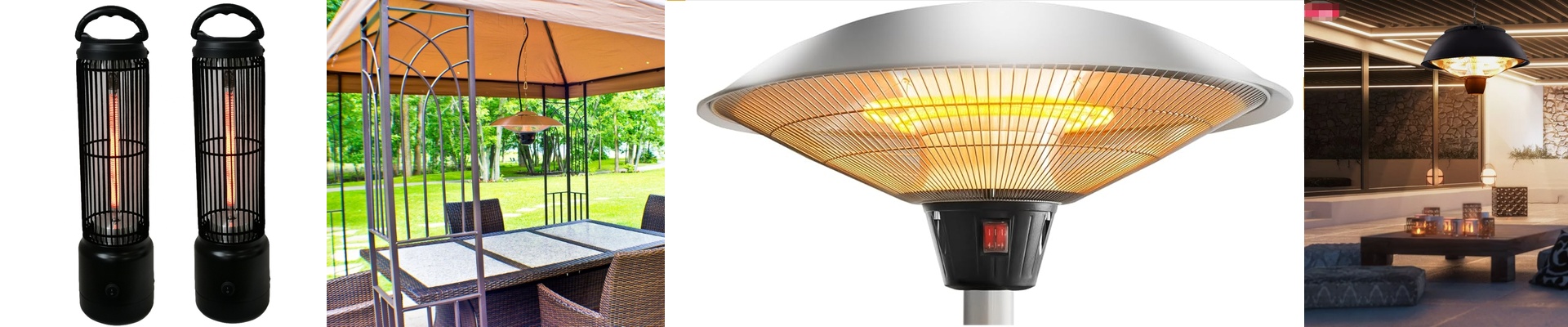
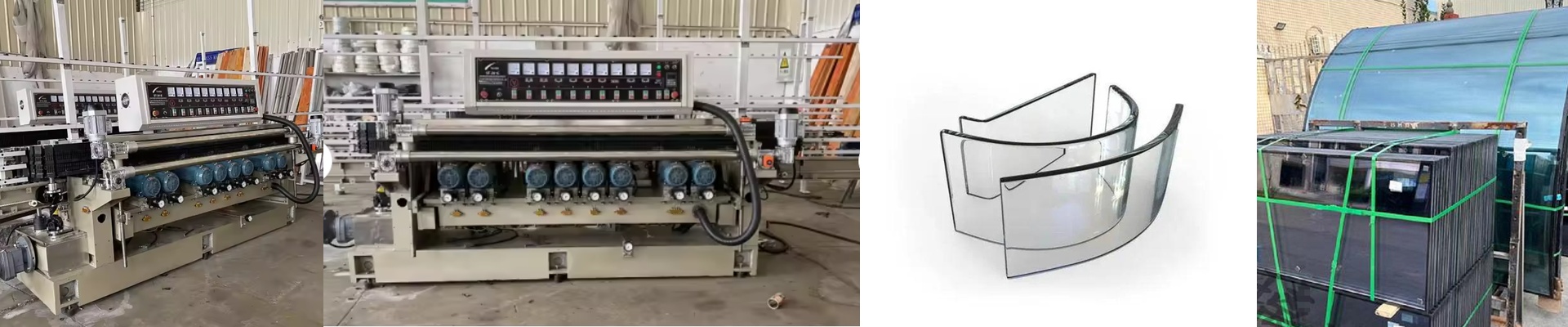
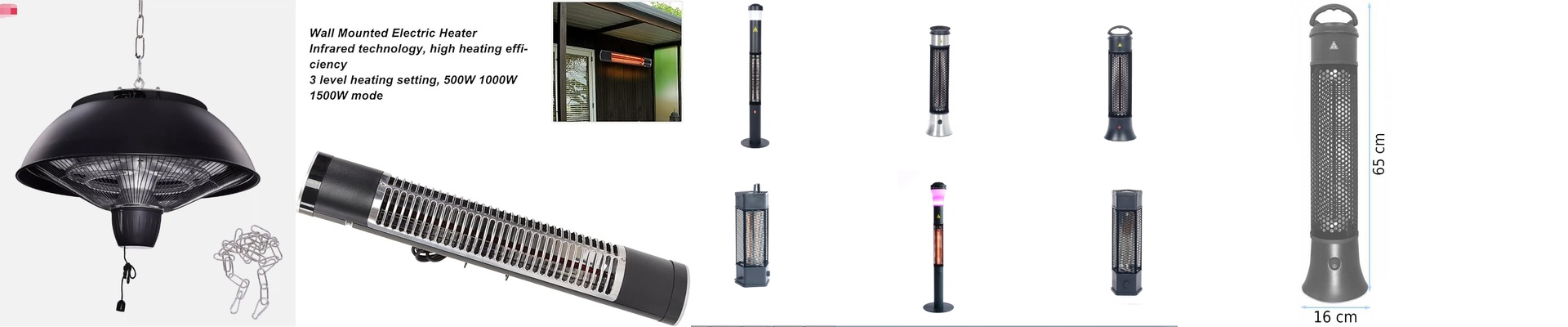
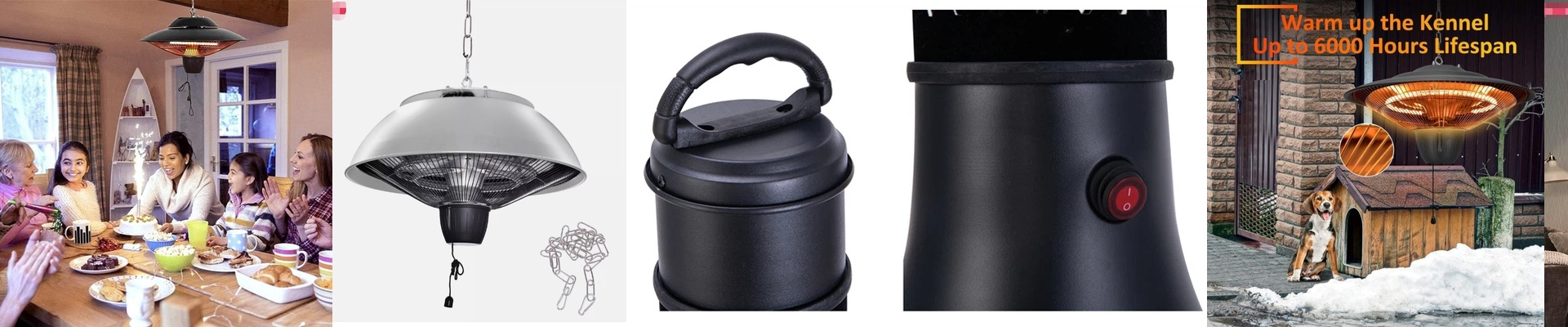
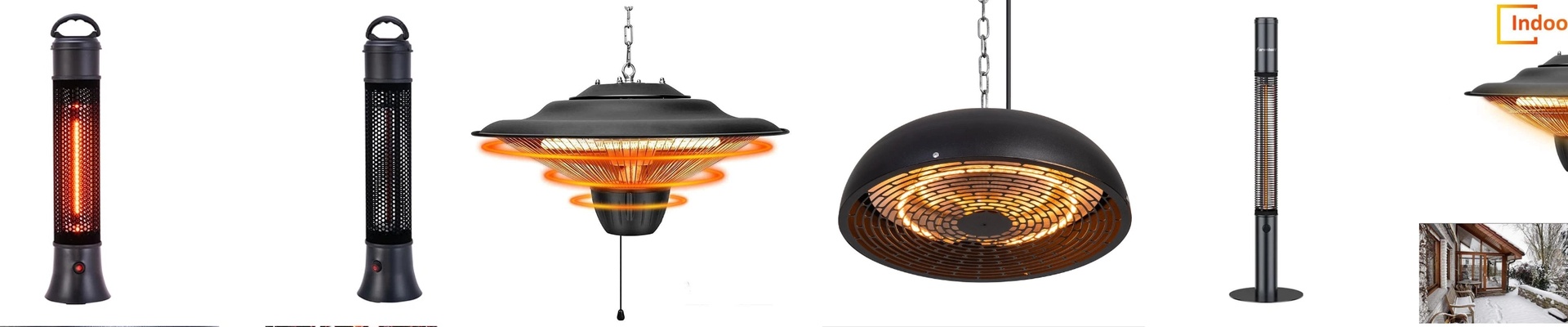
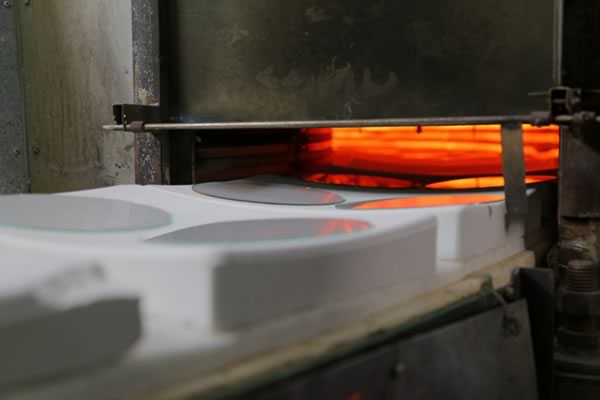
On the glass line, time and temperature are the two levers that move the needle—on cost, on yield, on everything. When the tempering furnace or the lamination press has to pull heavy heat, energy bills jump and holding thermal uniformity gets ugly fast. If the heaters are lagging, you stretch cycle time, you risk thermal stress in the glass, and scrap starts piling up. That’s the reality we built these infrared radiators for. The core is short-wave infrared with quartz tubes, tuned to match how glass and coated surfaces absorb energy. The response is quick—full power in seconds, then a fast cooldown when the cycle ends. That buys you shorter dwell windows and steadier throughput. We match voltage, watt density, and length to your machine footprint so the radiator drops straight into the existing fixture without re-engineering the line. Output stays stable over thousands of hours, and you keep a tighter lid on hot spots—the kind that can crack thin glass or cause delamination in safety glazing. On the floor, it comes down to faster heat-up, better temperature uniformity, and fewer kWh per batch. Energy use drops because the heat goes straight into the product, not into wasted convection and ambient loss. In tempering, that means more predictable stress profiles and fewer rejects. In lamination and coating drying, it means faster tack and cure without scorching edges. The result is shorter cycles, stable quality, and an operating cost cut you can measure. Installation is straightforward, but alignment is where people get sloppy. Mounting tolerances and reflector geometry have to be set so the thermal profile stays even across the glass surface. Clearance to components and airflow paths matter, so stick to the machine spec and run a thermal map at start-up. Keep the unit at its designed voltage and keep the quartz clean, and you preserve output and life. This isn’t a set-and-forget piece. It’s a precision tool that performs when you treat it like one.