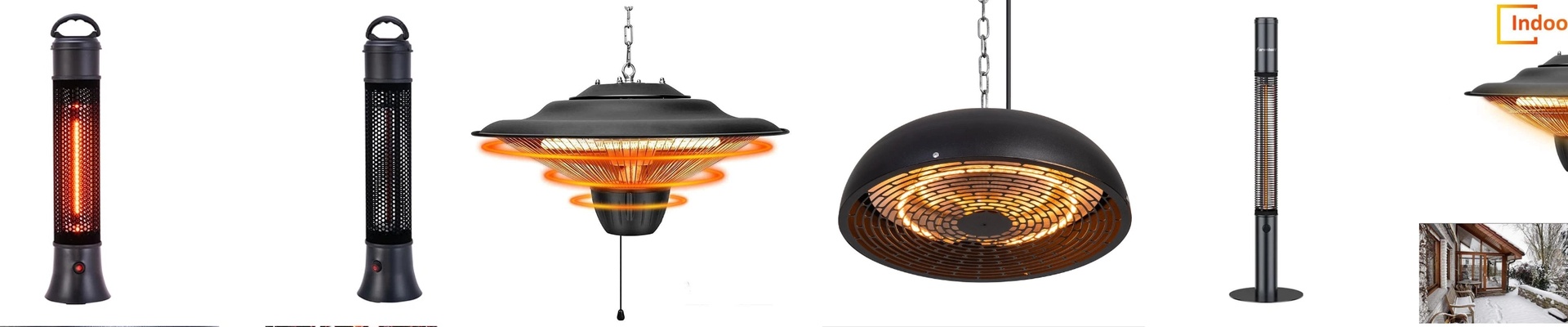
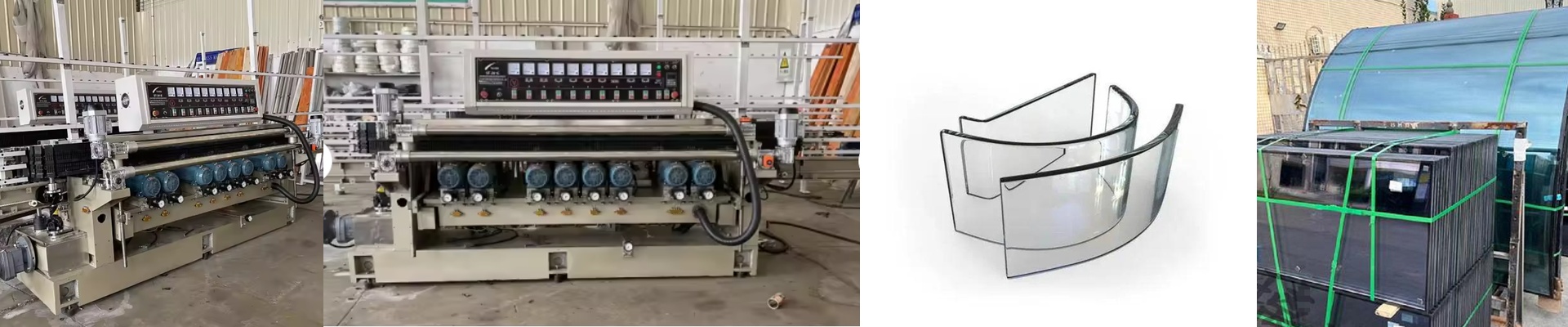
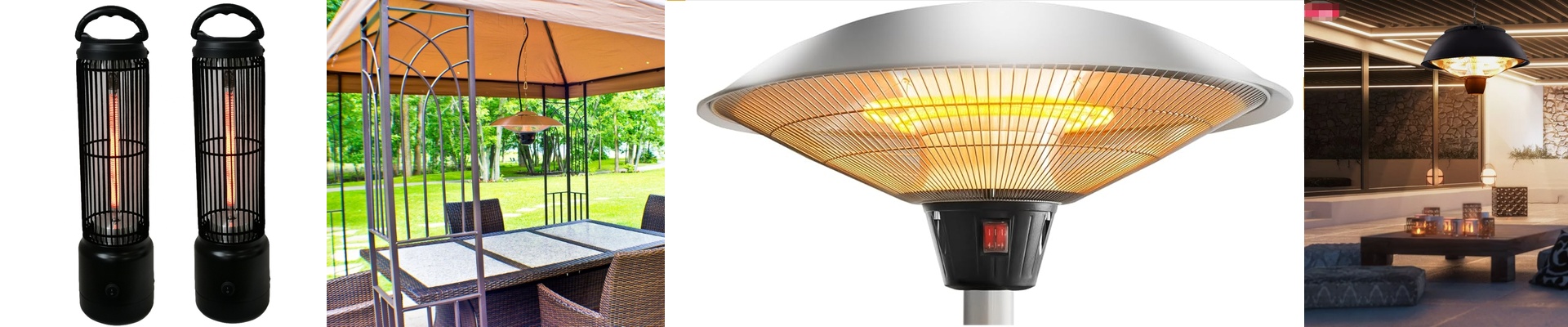
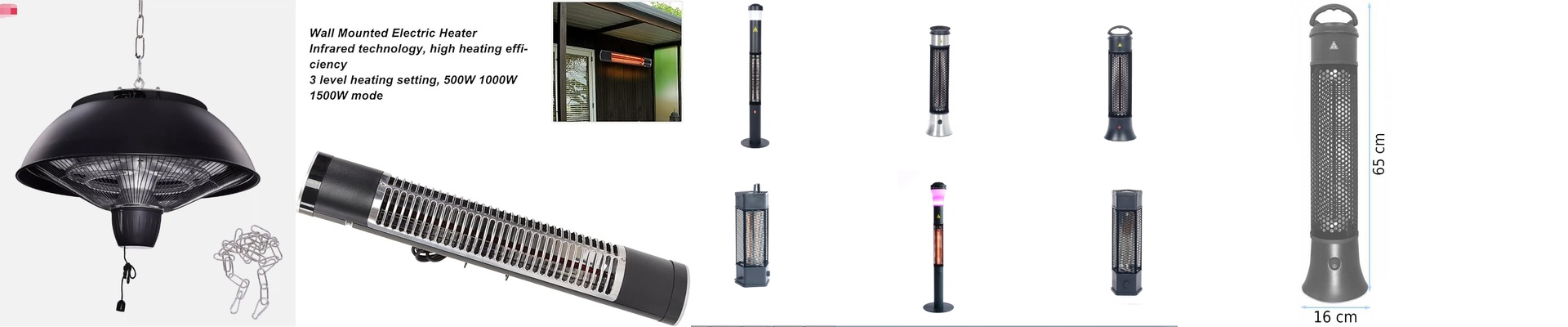
On the glass line, timing is everything. A furnace that crawls to temperature, or a lamination press that drags on heat-up, slows the whole cycle. Every extra minute in the heat puts you closer to thermal shock, optical distortion, or a scrap piece you can’t afford. Fast-response infrared radiators keep the heat where it needs to be, exactly when it needs to be there. What matters under the hood We run short-wave infrared quartz emitters that snap to temperature, packing high power density into a tight footprint. The filament geometry and reflector setup give you a focused, even thermal field—fewer hot spots that can cook stress into tempered or bent glass. These radiators are built for industrial voltages, and they come in standard lengths and mounting centers so they drop into existing ovens and presses. Connections are straightforward: robust terminal blocks or quick-connect interfaces that match OEM fixtures. Control is clean—tie into your PID or PLC, and you get setpoint tracking without the lag you see with convection heating. Why this plays in our world In tempering, you need heat that comes on fast and repeats exactly, so you hit the quench window without overshoot. In lamination—whether you’re running EVA, SGP, or PVB—temperature uniformity across the whole stack is what keeps bubbles, edge voids, and interlayer slip out of the conversation. These radiators cut heat-up time, trim dwell, and steady the profile shift after shift. The payoff is more glass through the line, fewer reworks, and less energy per piece. Because the heat is direct, there’s less air movement—so dust and contaminants stay down, and the glass surface stays cleaner. Here’s what to keep an eye on Installation is simple, but alignment is where people get tripped up. Set the focal distance right, and make sure the reflector geometry matches the glass path. If it doesn’t, you’ll see uneven heating and spotty optical quality. These units run hot, so respect clearances to conveyors, seals, and insulation—stick to the spec. They work with most standard frames, but before you retrofit, confirm mounting, electrical, and cooling against what you already have.