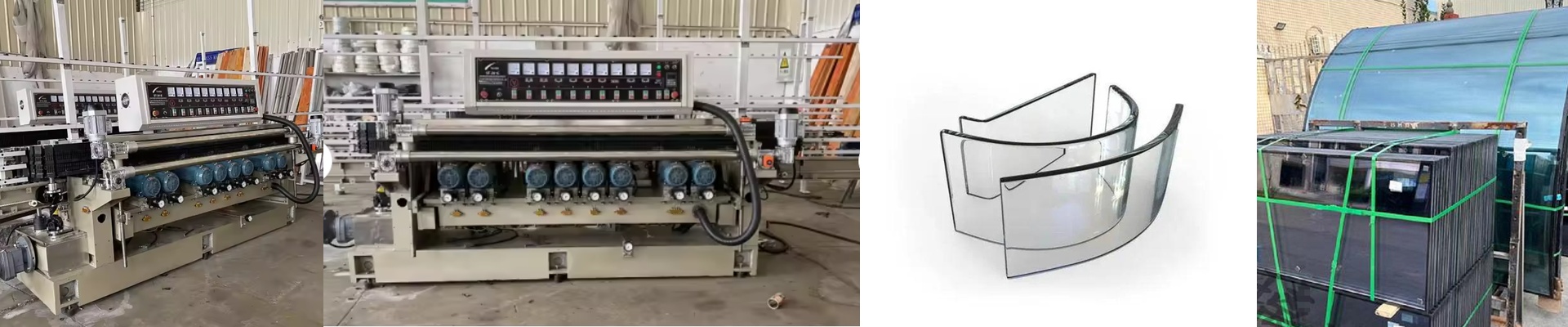
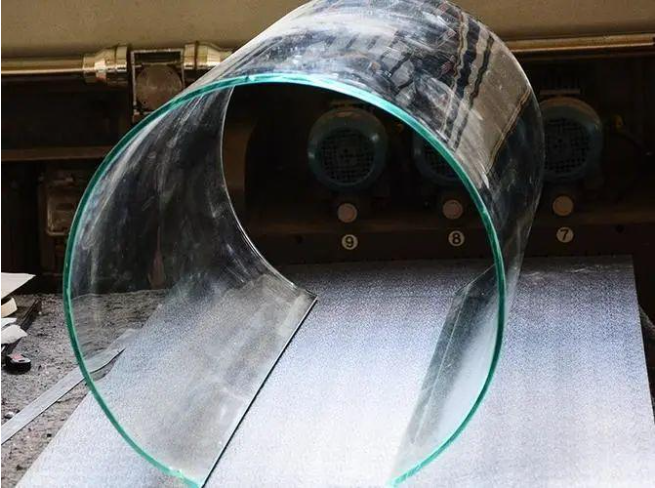
On the shop floor, glass rejects don’t come with a label. You see them as spontaneous breakage after tempering, optical distortion after bending, or weak adhesion after lamination—often pointing back to uneven heating. Convection ovens move heat by air, and air behaves differently on glass than it does on thin metal. Airflow patterns create hot and cold zones, and before the cycle is done, the glass has already built up thermal stress.
What matters, technically
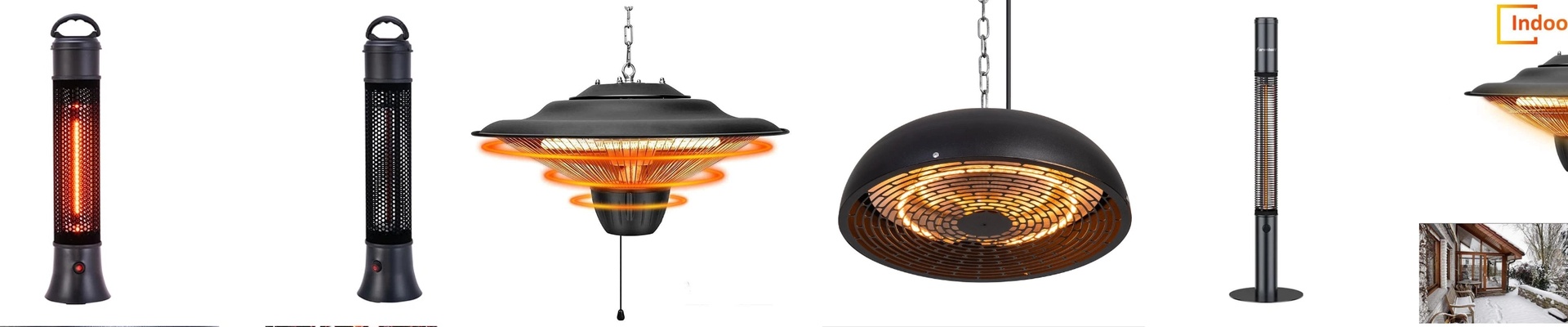
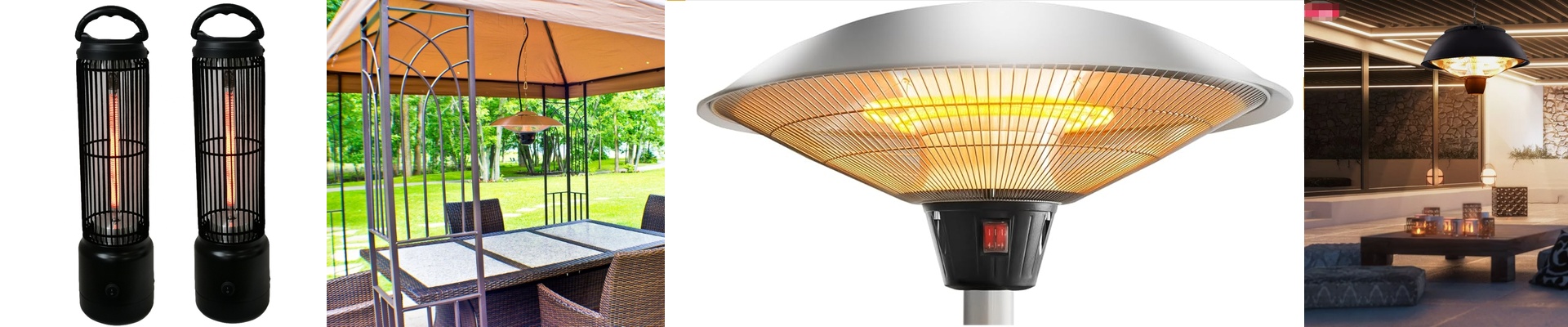
Infrared heating delivers energy by radiation, dumping heat straight into the surface based on emissivity. Short-wave and medium-wave emitters can be tuned to match the absorption profile of clear, low-E, or coated glass, so you get fast, localized power. With modulated zones and closed-loop temperature control, the thermal field stays consistent across the sheet. That uniformity is what keeps hot spots, edge overshoot, and warp out of the scrap bin.
Why it plays well here
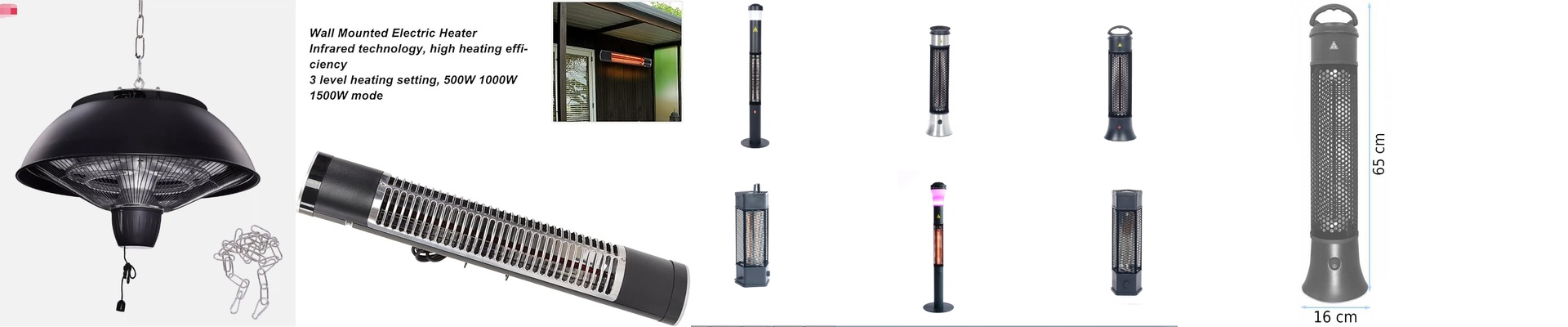
In tempering, uniform heating cuts down on thermal shock and edge cracking, so you can run the same quench pressure with fewer rejects. In bending, controlled zone heating makes the sag profile predictable, which means less rework. In lamination and coating drying, infrared brings the stack up to temperature quickly, shortening cycle time and trimming energy use. You get higher throughput without chasing temperature drift across shifts.
The things you learn the hard way
Infrared cares about line-of-sight and surface condition. Heavy soiling or inconsistent emissivity will shift the absorbed power, and you’ll see it in the results. Retrofits mean tighter alignment, and your control strategy needs to keep up with the faster response compared to convection. Set it up right, and you run with fewer temperature swings, less warp, and a steadier yield.