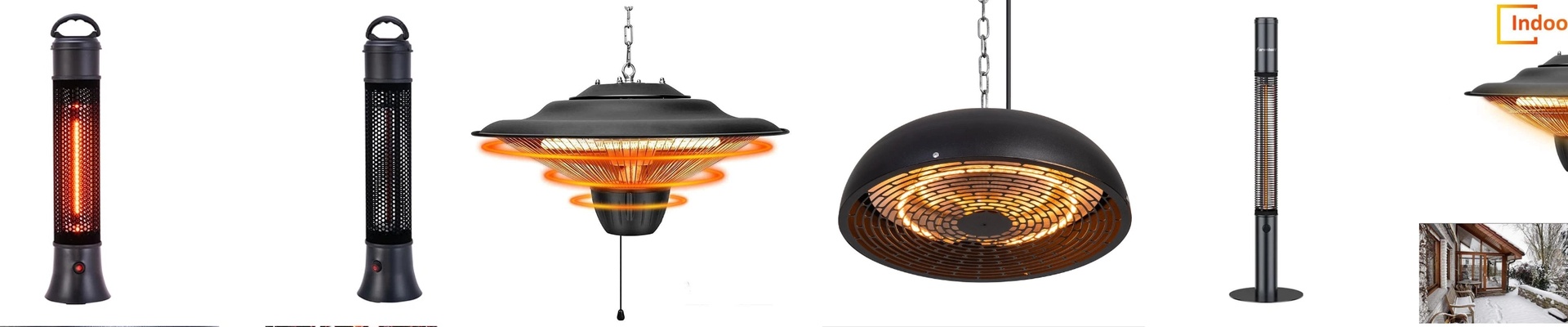
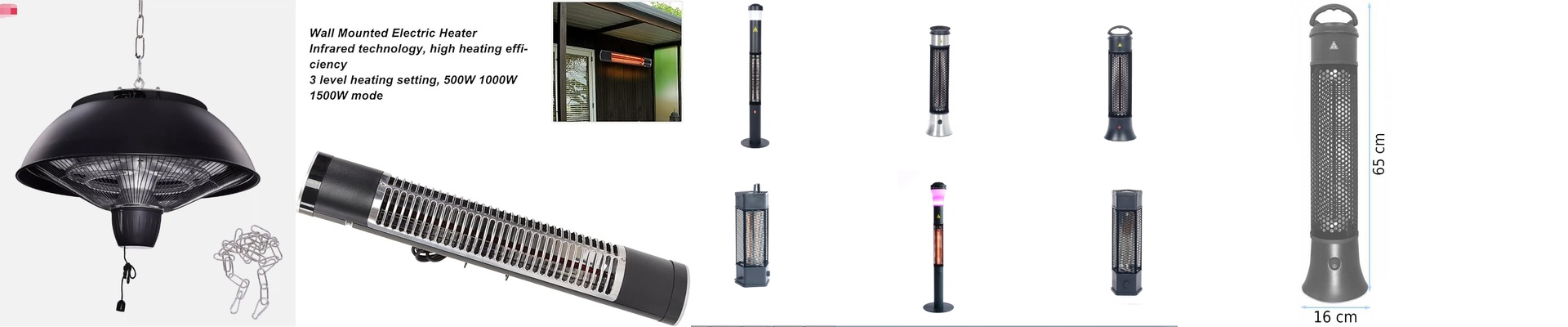
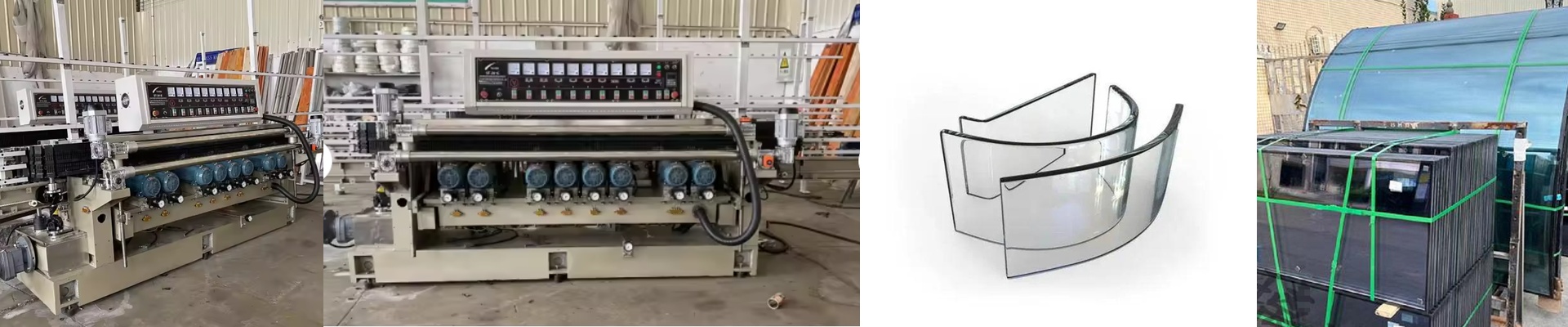

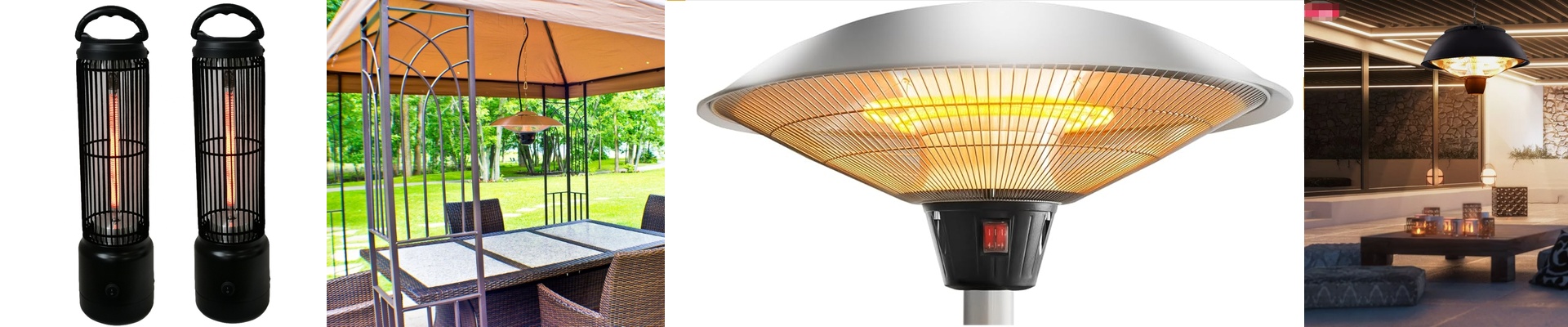
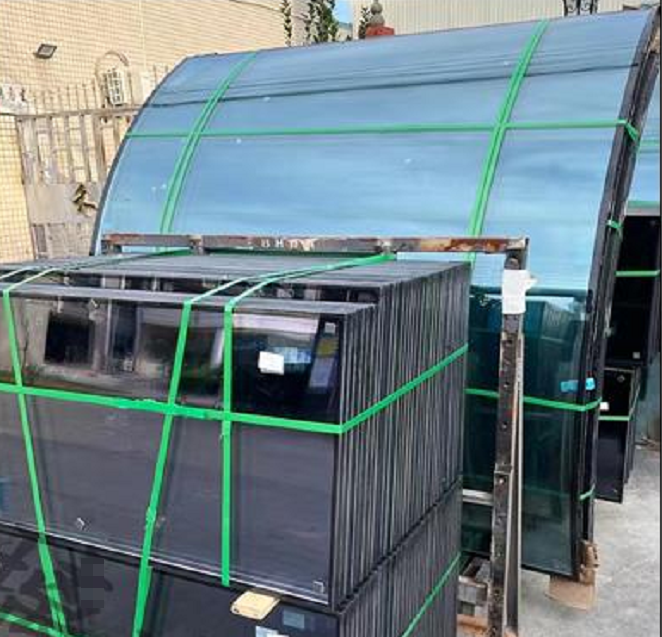
On the marine line, tempering doesn’t give you any margin for error. Salt, structural loads, and safety glazing requirements mean every heating cycle has to land the same way, shift after shift. Underheat and the glass walks out under-stressed. Overheat and you pay for optical distortion—and the scrap that comes with it. We built this marine tempering heater to take the guesswork out of that loop. The heart of it is a quartz short-wave infrared (NIR) element layout, tuned to drive heat where you need it—fast and directional—without relying on heavy convection. That gives you a tight thermal field across the glass surface, so the edge-to-center differential stays under control. Less differential means less thermal stress and less bow. Power is matched to tempering furnaces and bending ovens, with standard voltage options and a compact footprint that fits what’s already in the plant. The heater body uses corrosion-resistant materials and solid terminations, because marine shops are wet, humid, and rough on electrical hardware. What it boils down to is control and uptime. The response is quick enough to track tight tempering profiles, and the uniformity holds across shifts—so you stop chasing inconsistent surface quality and rework. Energy use comes down because NIR heats the glass directly, not the air. And the module is engineered as a drop-in replacement for common OEM heating banks. In practical terms, you get more good glass per hour, fewer stoppages, and lower kWh per square meter. Installation is straightforward, but alignment is where people get tripped up. Mount the heater parallel to the glass path; otherwise you’ll cook up localized hot spots. Plan on a short commissioning run to set power limits and confirm emissivity behavior on your specific marine glass stack. Make sure operating temperature and duty cycle line up with your conveyor speed and furnace dwell time. Once those parameters are dialed, the heater behaves like a predictable process tool—not another maintenance headache.