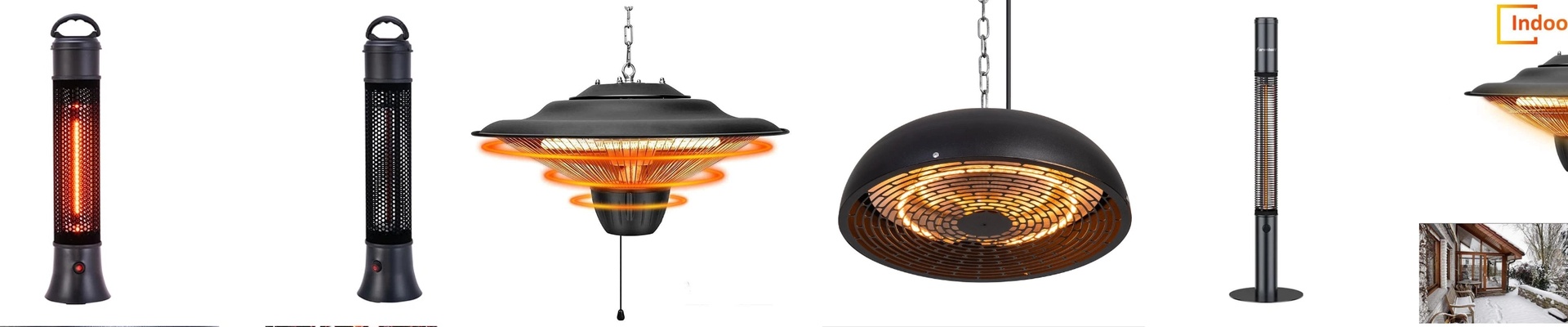
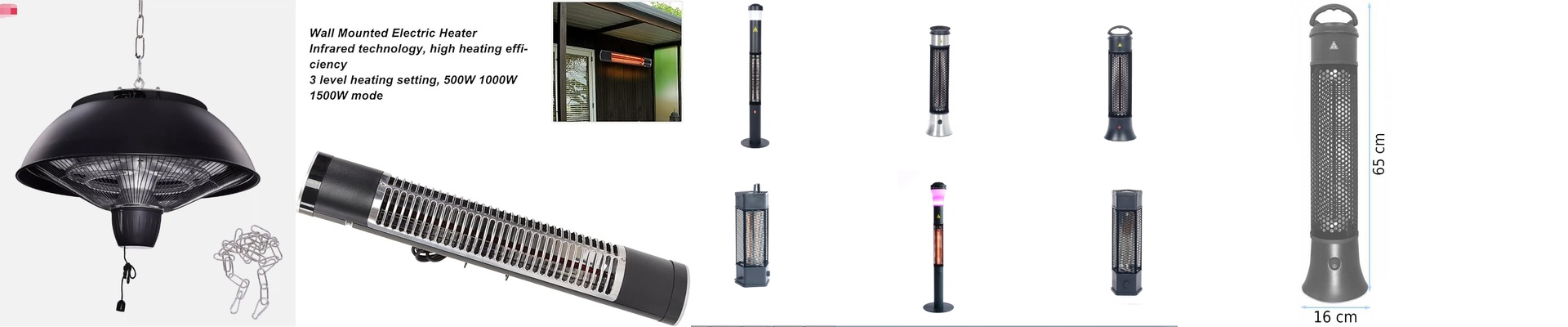
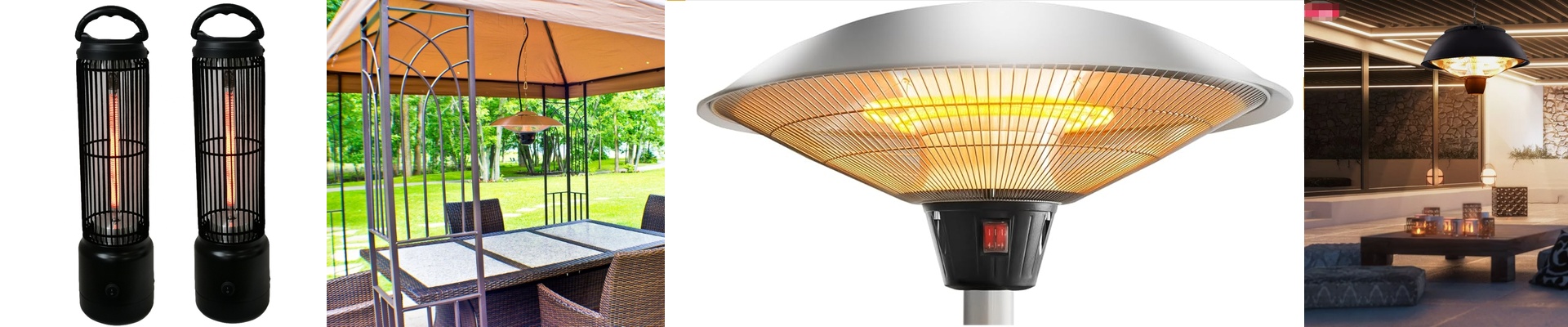
In a busy spa, the moment a client settles in, the room has to feel right—warm, yes, but more than that, genuinely comforting. If the air turns cool, relaxation falls apart and the treatment loses its flow. That’s why so many pros reach for quartz infrared heaters. They put out immediate radiant warmth, with no drafts and no noise to break the calm. What’s actually going on under the hood A quartz heater uses a high-purity quartz tube around a resistance element, tuned to emit infrared heat with very little visible light. The heat is directional—radiant warmth that hits people and surfaces directly, instead of chasing around the room trying to warm the air. In practice, that means a fast warm-up, comfort that holds steady across the space, and energy that goes where you need it. We build these units for day-after-day use, with tough quartz tubes and controls that keep operation predictable. In a spa or salon, comfort isn’t a perk—it’s part of the service. Quartz infrared warmth helps clients drop into relaxation faster, supports muscle ease during massage, and keeps the room feeling stable between appointments. Because the heat comes on quickly, you can fire it up right before a session and avoid overheating the space. Clients feel that gentle, even warmth on the skin, and staff get a steady environment that keeps the day moving. Here’s what matters on the install side. Quartz infrared heaters perform best when they’re aimed where clients are seated or lying down, and when you set the mounting height and angle correctly. These are built for indoor, controlled environments, so run through local codes and electrical requirements before you put anything in. In a commercial spa, plan on dedicated circuits and proper clearances. When you position it right, the heater fades into the background—warmth you feel, but never hear.