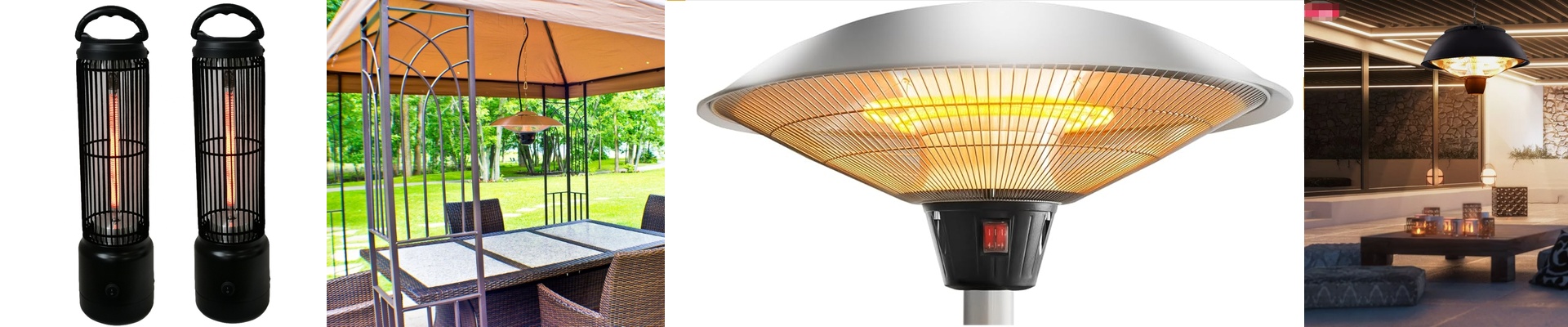
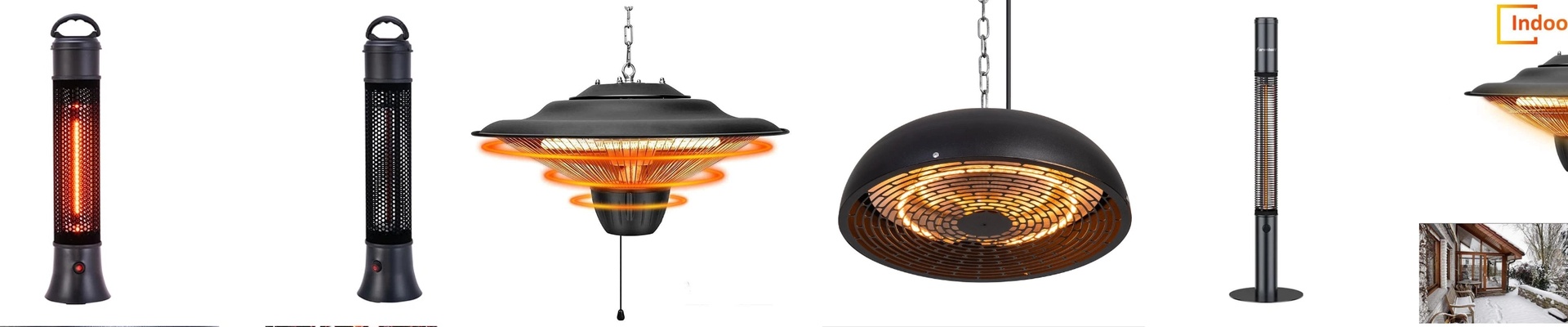
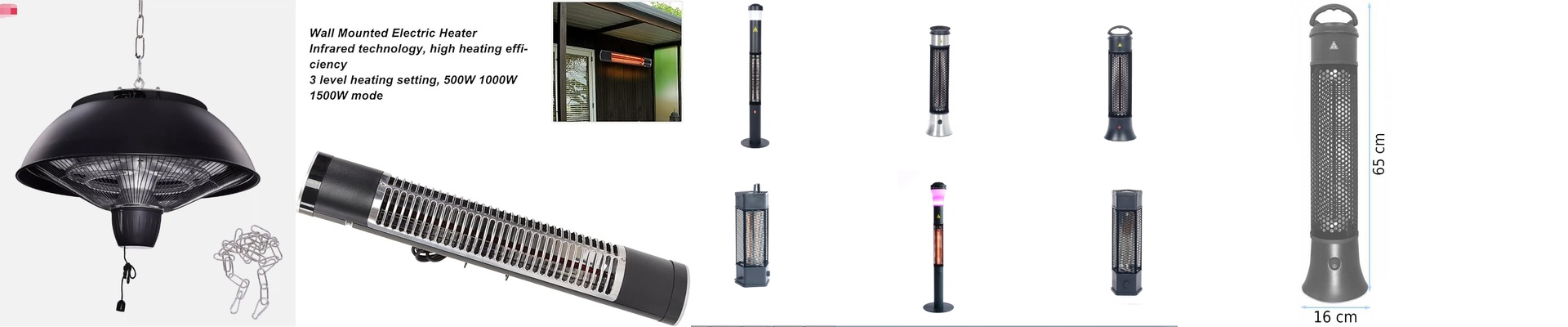
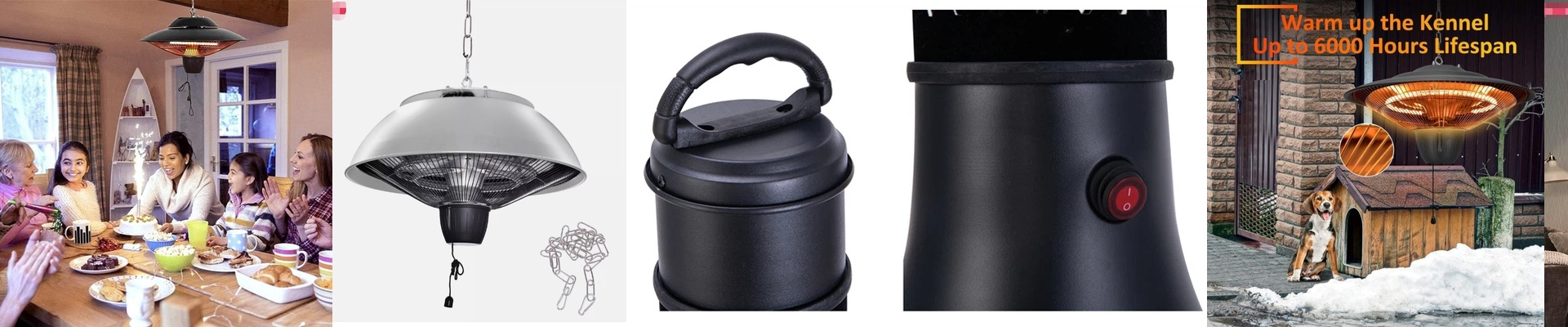

In art galleries and museums, the wrong heat can do damage you won’t see until it’s too late. Forced-air systems kick up dust, shove humidity around, and swing temperatures enough to make wood, canvas, and pigments fight their own restraints. We built our infrared electric heaters to warm people and objects directly, without moving air. The most responsible warmth is the kind you barely notice—until you step in and feel it.
What matters, technically
Infrared heating works by radiating energy straight to people, floors, and display cases—think sun on your skin, without heating the air between. In our OEM electric heater shop, we anchor the core on clean, instant-on radiant elements, usually quartz tubes or carbon fiber. They’re chosen for stable output and predictable surface temps. The payoff is focused warmth that stays low, where occupants are, instead of drifting up to the ceiling. You can match voltage to existing building circuits, size wattage to the room, and pick controls that fit the space: a straightforward thermostat, timed operation, or low-voltage sensors for quiet reliability. Safety is baked in—overheat protection and tip-over cutoff—and many models live in sealed, moisture-resistant housings that hold up in the steady, controlled environment galleries need.
Why it fits here
Museums and galleries need heat that plays by conservation rules: stable relative humidity, minimal air movement, and even coverage that avoids hot spots. Infrared electric heaters deliver comfort by warming occupants directly, so the air stays quiet and steady. That means fewer micro-fluctuations stressing frames, less dust going in circles, and a stable microclimate around vitrines and sensitive materials. Galleries also want the heat to stay out of the story. Units install clean, run without fans, and keep acoustics low, so the visitor experience stays undisturbed. Energy goes where it matters, because you’re not wasting effort pushing air that then slips out through vents and gaps.
The practical details
Infrared is directional, so placement matters. Aim the beam to cover seating and circulation paths, and shield or angle away from exposed surfaces that are sensitive to direct radiant energy. Because the warmth hits immediately, you can often run a lower thermostat setpoint than with convection—but line of sight to the element will shape perceived comfort. Most installs are straightforward, but the space may need dedicated circuits and professional mounting to meet local codes. If the room has strict curatorial controls, loop in HVAC and conservation staff to tune output and air exchange so the infrared system works with the building’s environmental strategy, not against it.