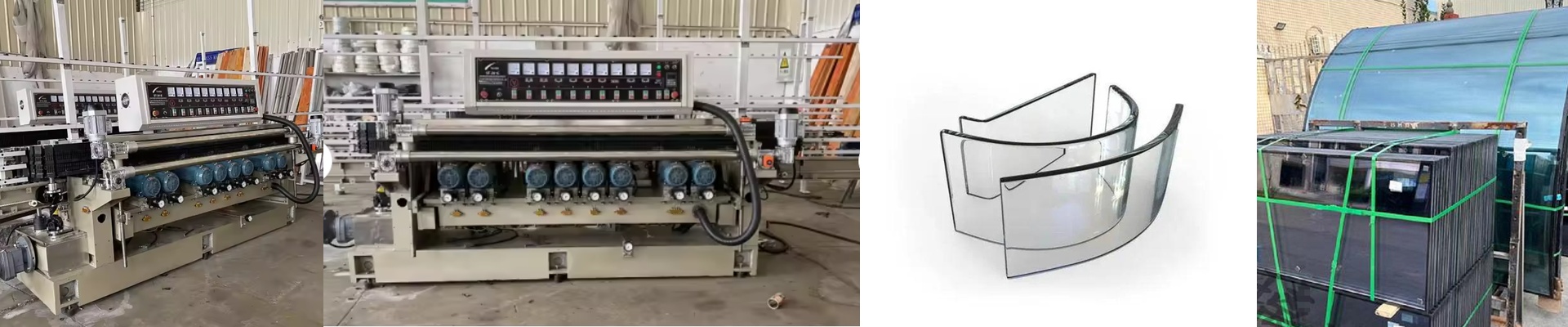
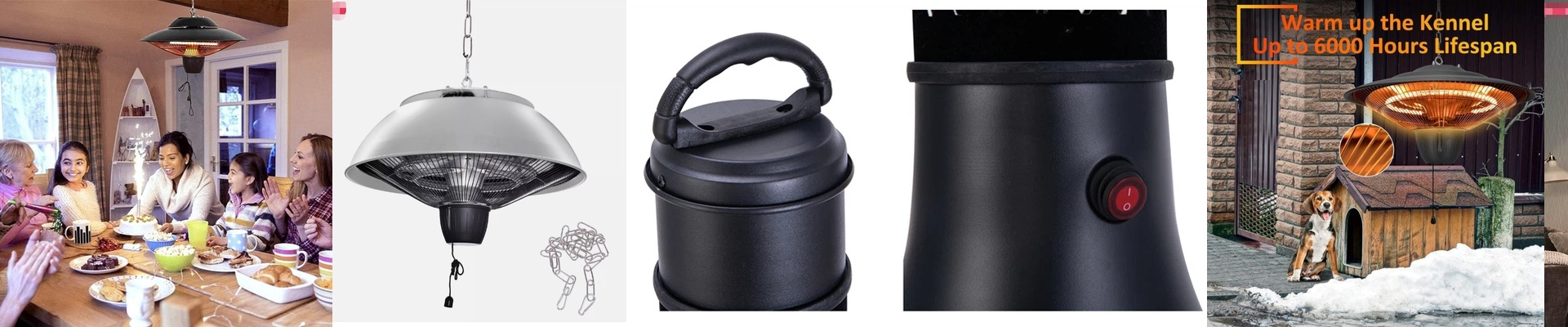
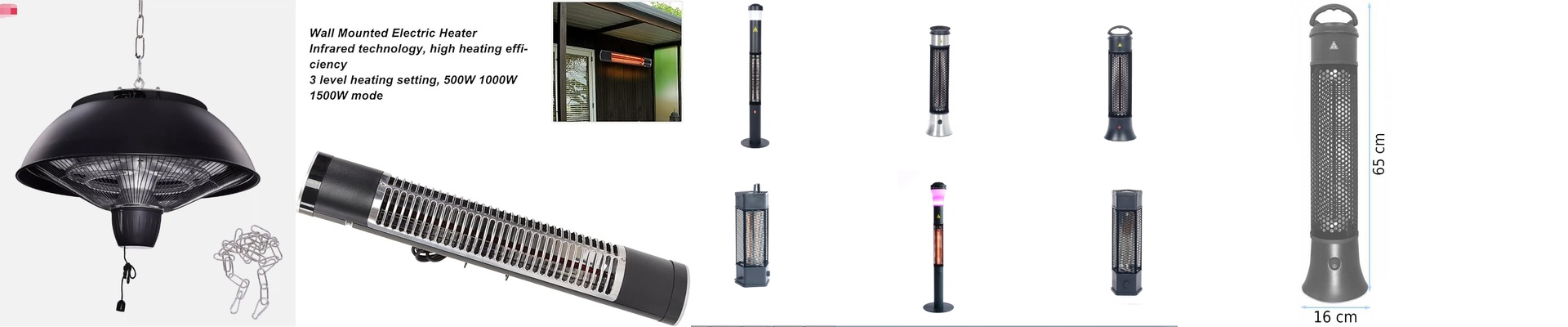
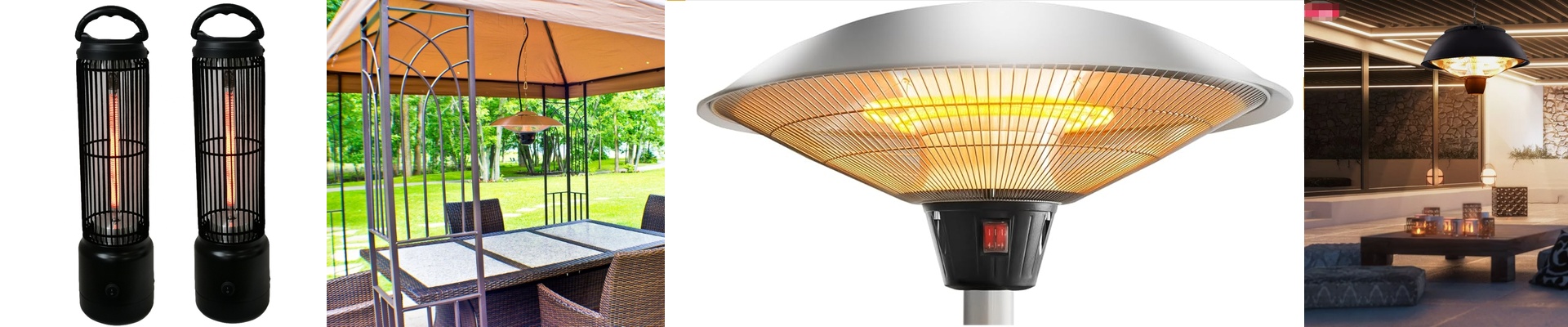
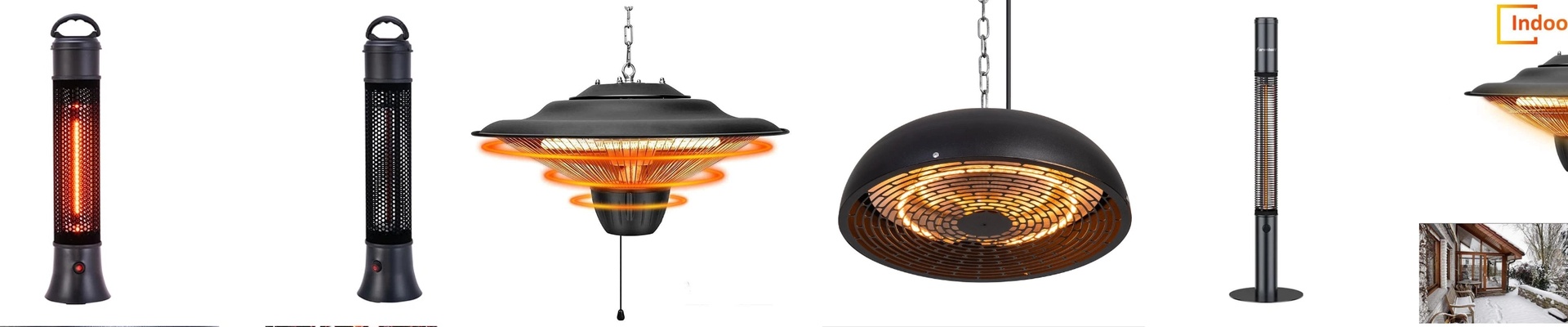
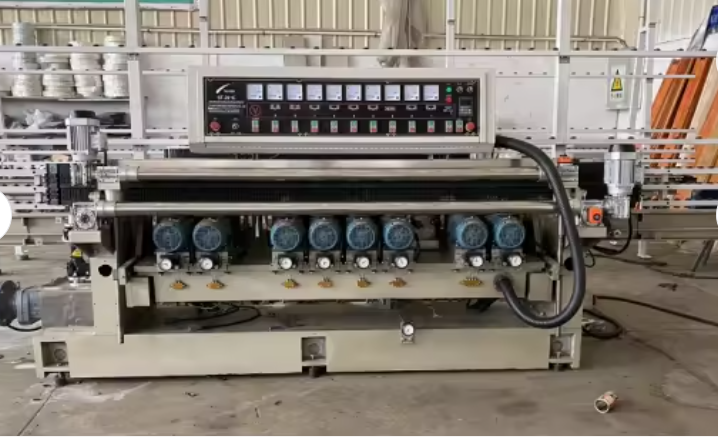
On the line, the bending station sets the pace. If the heater can’t hit setpoint fast and hold a uniform thermal field, you’re either fighting sag or splitting glass. Scrap piles up fast, and the furnace behind it just sits waiting. We built this car window glass bending heater to keep the press moving, with heating that tracks the rhythm of automotive glass forming. What matters under the hood We run short-wave infrared quartz elements so the energy goes straight into the glass. That cuts idle time between loading and press. The heater is set up for tight zone control, so the temperature spread across the panel stays narrow—exactly what you need when bending complex curvatures without cooking thermal stress into the glass. Power density is matched to typical windshield thicknesses and low-emissivity coatings, so ramp-up is repeatable without scorching. The module fits standard press footprints and plugs into existing controls clean, so you can drop it in with minimal rework. Why it holds up on the floor In practice, this heater can pull multiple roles on the same line: bending for laminated windshields, preheating before tempering, and controlled curing for EVA/SGP lamination cycles. Uniform heat means fewer come-backs from optical distortion and edge cracking, and faster ramps trim cycle time so you can get more parts out per shift. Energy use comes down because the elements deliver heat on demand, with far less wasted convection heat bleeding into the surrounding frame. What to keep an eye on The heater performs best when the glass surface is clean and the press tooling is aligned—misalignment will create localized cold spots. Commissioning is short; you’ll tune zone balance for your specific glass composition and cycle profile. Once set, it runs with low maintenance. Quartz elements are tough, but they still need periodic inspection for hot-spot formation and connector integrity.