
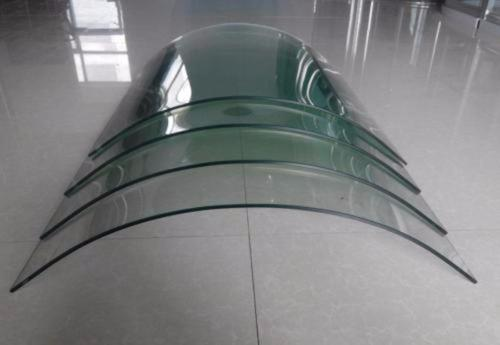
How to stop your silk-screened glass from blurring or breaking
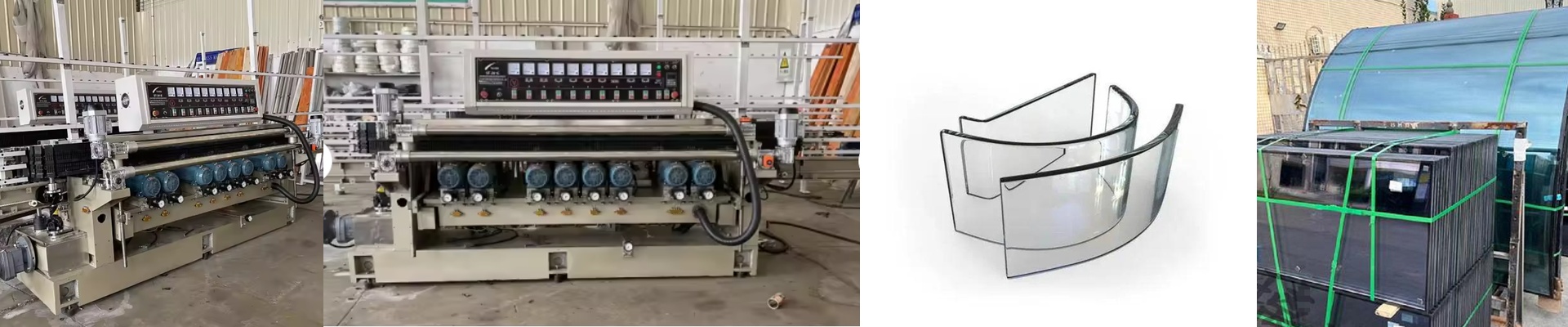
If you’ve ever tried to combine tempering and annealing after silk-screening, you know the headache. It feels like a constant tug-of-war. If you heat the glass too slowly, the ink starts to bleed. Your crisp lines turn into a blurry mess. But if you crank the heat up too fast? You’re looking at thermal shock or uneven stress. That’s how you end up with glass that shatters when it should be strong. We found a way around this using gold-coated infrared lamps. The secret is in the gold Most quartz lamps just throw out a broad spectrum of heat. But when you add a thin layer of gold to the quartz, things change. The gold reflects a huge chunk of the infrared energy back into the filament. This cranks up the internal temperature, giving you a much more concentrated, short-wave blast of heat. Think of it as a direct hit. The heat slams into the glass surface instantly instead of wasting time warming up the air in the oven. For silk-screened pieces, this is a lifesaver. It “locks” the ink in place before it has a chance to move, so your patterns stay sharp. A few things to watch out for We set these lamps up with high wattage and precise voltage so the heat is even across the whole sheet. You need that high heat density, but it’s not “set it and forget it.” Since gold-coated tubes run way hotter than the clear ones, you have to stay on top of maintenance. Keep your reflectors spotless. Make sure your cooling fans are actually doing their job. If the airflow is weak, you’ll fry the lamp ends way sooner than you want to. Getting it running The best part? You don’t need to rip out your whole setup. These are drop-in replacements for your standard IR tubes. You’ll notice the cycle time drops and the gap between curing the ink and tempering the glass disappears. You get the toughness of tempered glass, and your prints actually look the way they’re supposed to.