
Introduction
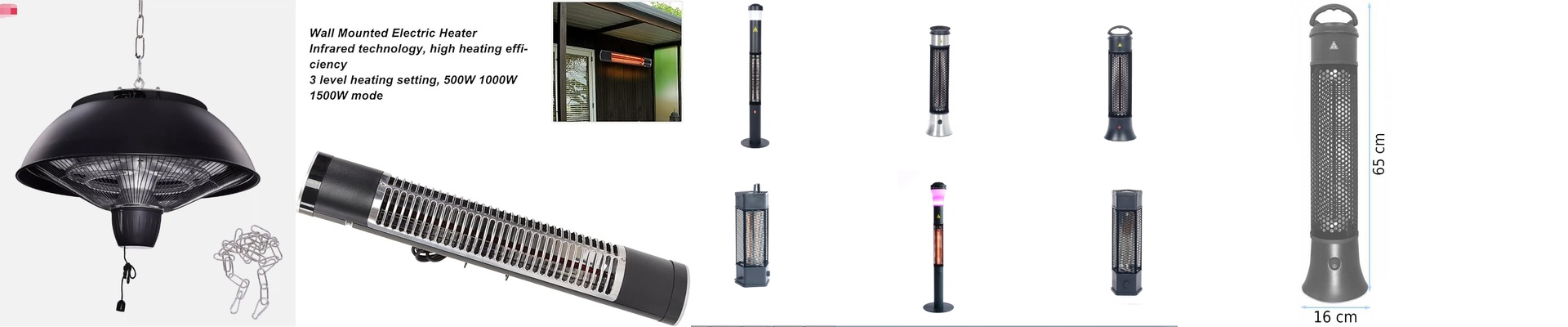
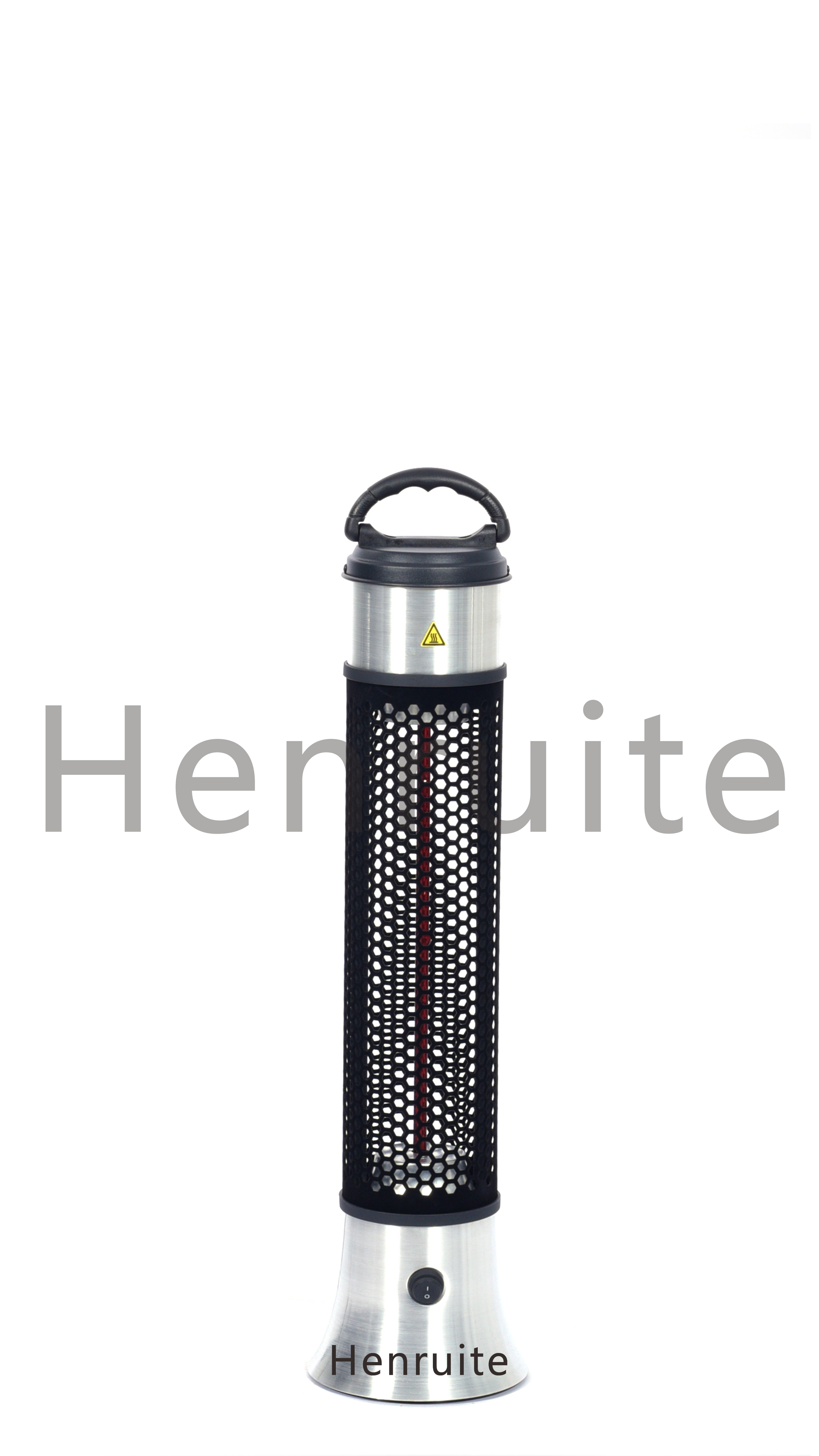
We built a wall-mounted infrared patio heater that’s more than just a heat source. It’s about giving you warmth where you actually need it. And here’s the cool part—the same science that makes it work so well also solves a headache you might not expect: bathroom moisture and mold. It all comes down to the kind of light it puts out. This isn’t just a bulb. It’s a focused, intentional way to manage heat.
Technical Deep-Dive
These heaters work on infrared principles, so they deliver strong heat without warming the air around you. We focus the output in shortwave and medium-wave bands, because they hit surfaces fast and hard. The heat goes straight into walls, floors, and fixtures, raising surface temps above the dew point. That stops condensation from forming. And when there’s less condensation, mold and mildew don’t stand a chance. It’s a side benefit that feels like a win: the space dries out more naturally. Now, it doesn’t replace ventilation, but it does cut out the dampness that feeds biological growth.
Material & Design
Inside, the heating element is a halogen-filled quartz tube, made to handle quick heat-up and cool-down cycles without giving up. Quartz keeps the output steady and shrugs off thermal shock. The halogen keeps the filament clean, so the lamp lasts longer and holds its color. We went with an R7s connector because it’s practical. It handles high current, and the install is straightforward—just drop it in. The wall-mount hardware is built for solid, no-flex support, so the unit stays aligned and secure even with vibration and expansion from heat.
Application & Benefits
In bathrooms, the heater zeroes in on the cold spots where condensation likes to show up. Warm those surfaces, and you rob mold of the moisture it craves. For engineers, it’s about predictable performance and easy integration. The wall-mount design saves floor space, and the lamp packs a lot of heat into a small profile. You get quick warm-up and control where the heat goes. Just keep in mind: with high heat density, you need proper clearance and good thermal management. Pair it with a solid ventilation plan, and you end up with a heating solution that’s reliable, clean-running, and keeps the air drier—not just warmer.