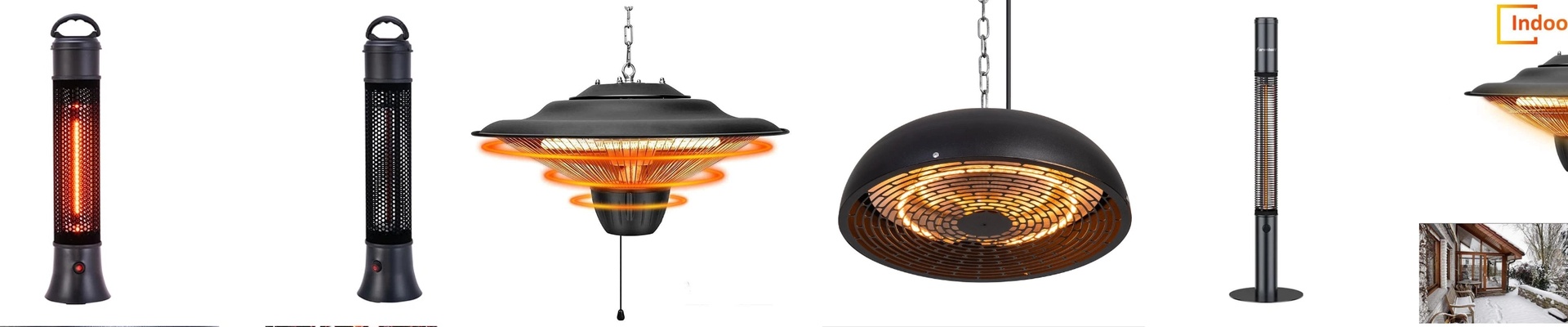
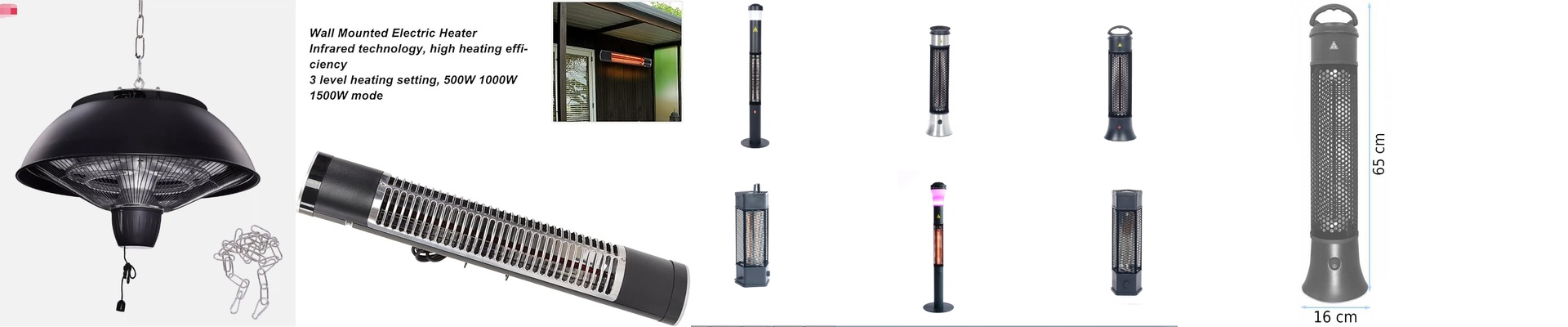

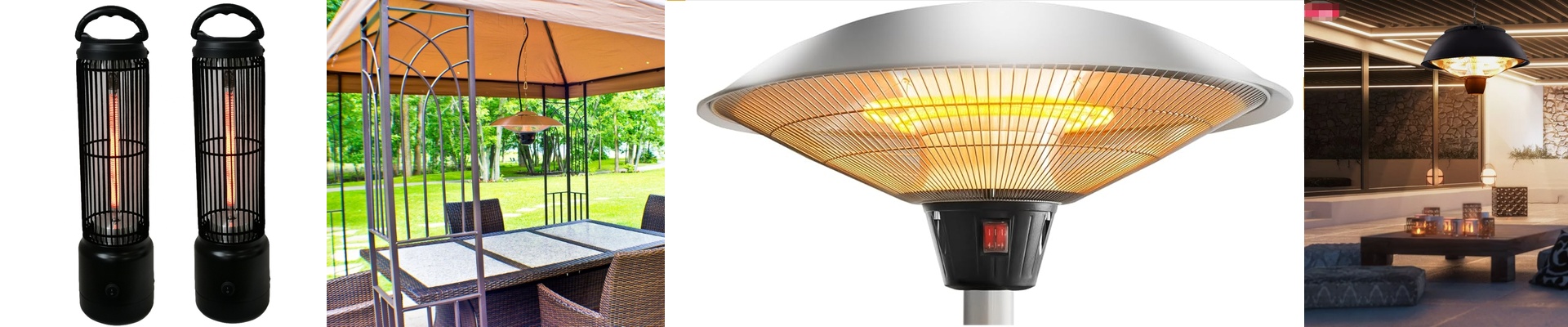
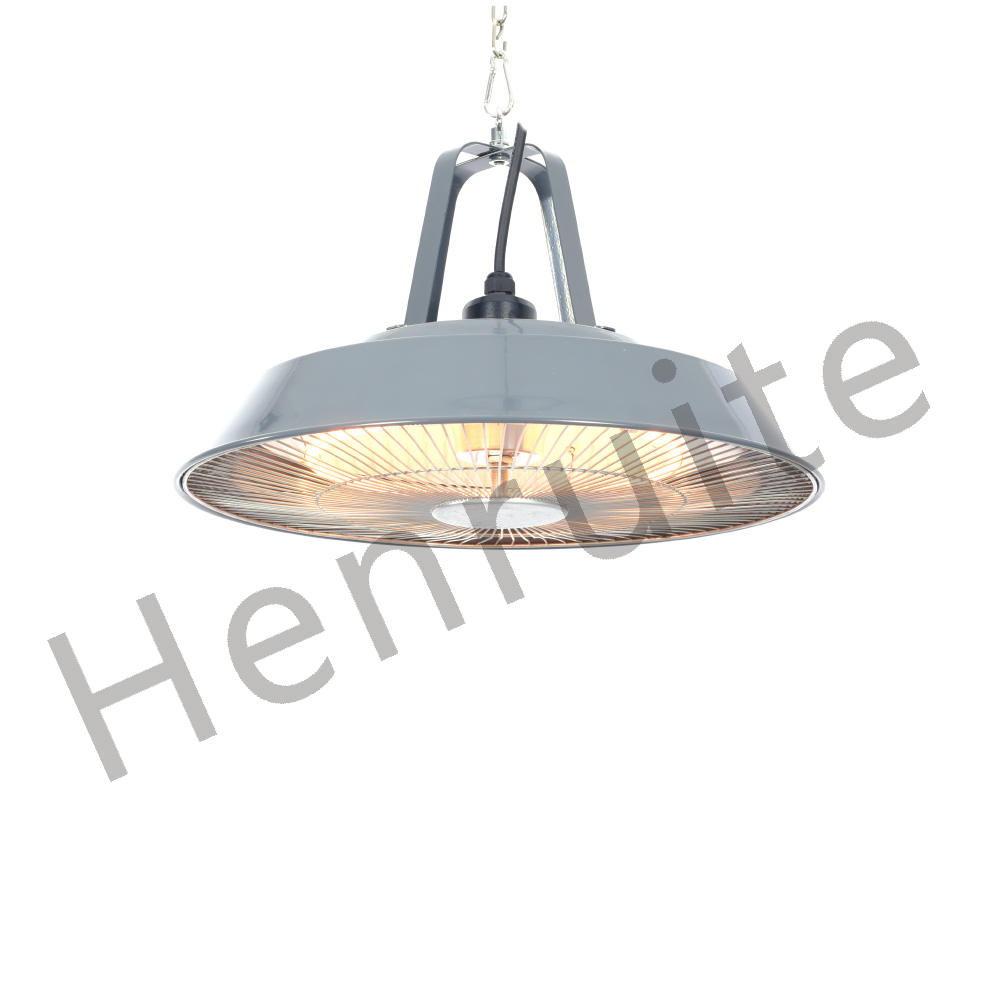
Winter has a way of turning fingertips and toes into distant, numb reminders of how much comfort depends on steady warmth. When the air bites, conventional heat can feel slow or drafty. That’s when a hand warmer heater—built around infrared warmth—makes a real difference. Instead of just warming air, it delivers radiant heat that travels directly to the skin. You feel warm faster, with less waiting.
What matters under the hood
We build these around a carbon fiber infrared element. It gives gentle, consistent radiant heat with minimal glare. Heat output is tuned to a comfortable range, typically around 300–500W, so you get noticeable warmth without overheating. The housing stays compact and easy to hold, with a low-profile shape that keeps heat focused on the hands. Control is straightforward: an adjustable thermostat lets you set the level that feels right, and a tip-over protection switch cuts power if the unit gets knocked over. For outdoor use, look for an IP rating that guards against splashes and dust.
Why it works where you need it
Infrared warmth shines when the goal is comfort and better microcirculation in cold conditions. Radiant heat warms the surface of the hands evenly, encouraging blood vessels to relax and open. That often means less tingling, less stiffness, and a quicker return to dexterity. Because the heat is directed where you need it, you don’t waste energy warming the whole room. If you’re outdoors, working in a chilly workshop, or just relaxing at home, this targeted approach turns numbness into a soft, steady warmth that lasts.
The practical details
Infrared hand warmers work best when placed within a comfortable distance from the hands, typically about 30–50cm. Keep the air still so the radiant energy isn’t disrupted by drafts. Most models are electric and plug into a standard outlet, so plan for a nearby receptacle. The warmth feels immediate, but it’s not meant to replace medical treatment for circulation issues—if symptoms persist, consult a professional. Keep the unit clean and dry, and avoid covering the heating surface. That simple habit helps maintain consistent performance and extends element life.