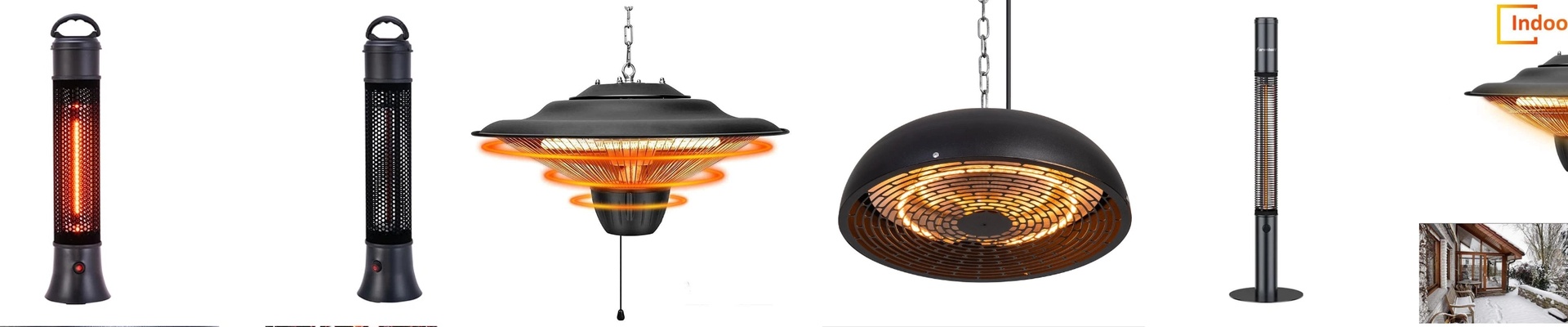
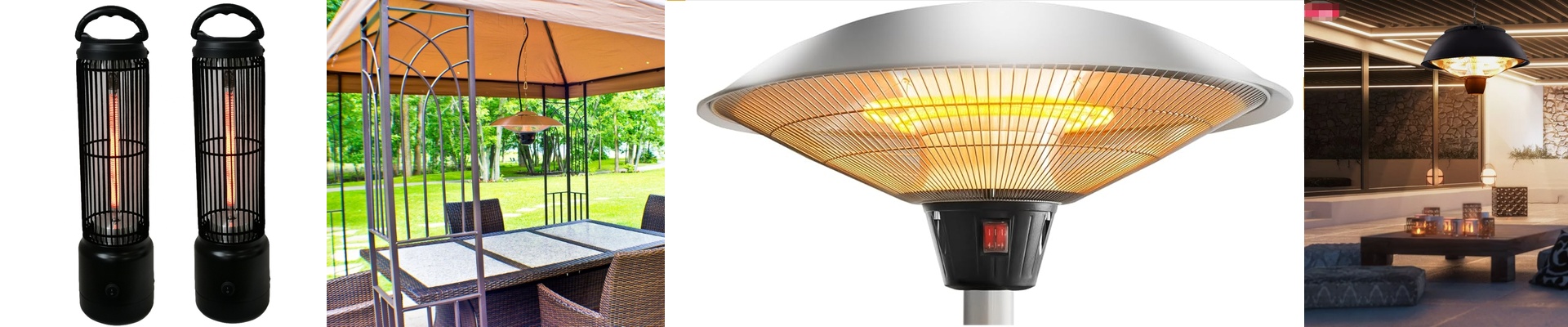

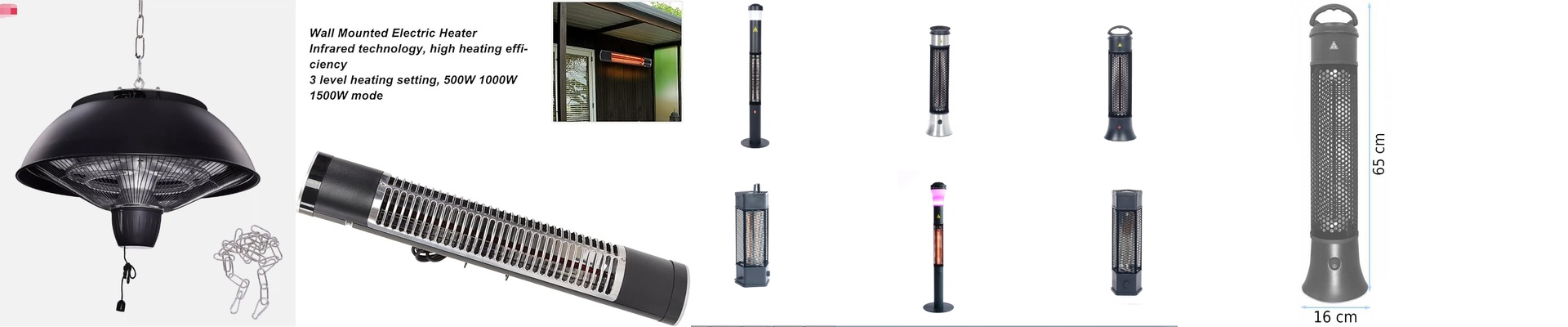
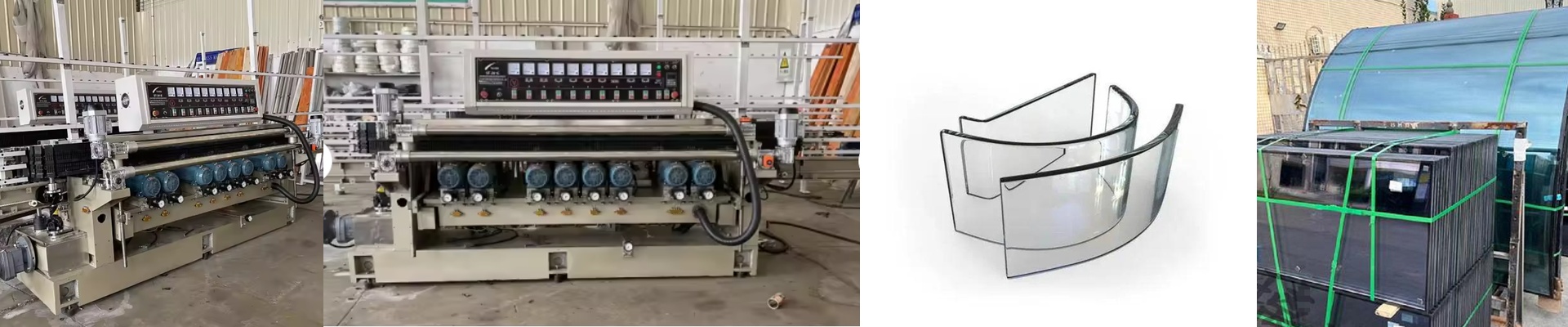

On the factory floor, you learn to read a heater by the sound it makes. When an infrared home heater is running wide open, that steady hum isn’t just noise—it’s proof it can hold up. Before any unit earns its label, we run it full-power on the aging racks, putting it through the kind of paces it’ll see in a living room, a chilly sunroom, or a drafty hallway. Comfort that peters out mid-winter isn’t comfort.
What matters under the hood
Infrared home heaters deliver radiant heat, not a blast of moving air, so you feel the warmth almost the second the element comes up. We lean on quartz tubes and carbon fiber elements because they give stable output and snap to attention. Pair that with a thermostat that holds steady, and the unit cycles predictably instead of chasing its tail. Safety is wired in, not tacked on. Every heater gets tip-over protection and a thermal cutoff, so the protection lives in the circuitry, not as an afterthought.
The reason the test matters
That 100% full-power aging test is why your heater hits hard on the first cold night and keeps its head all season. It shakes out weak solder joints, marginal components, and early-life gremlins before the unit ever lands in your living room. The payoff is fewer service calls, fewer replacements, and performance you can count on in December the same as in October. For you, that means fewer surprises, more predictable energy use, and a room that feels genuinely cozy when you need it.
Practical placement and setup
Infrared warmth does its best work with a clear line of sight to you and the surfaces you want to warm. Position the heater so it gently bathes the seating area, and you’ll feel the difference right away. Because the element glows bright, keep the unit out of direct view or choose a dimmer-compatible model so the glow stays comfortable. For best performance, match wattage to room size and make sure the heater is on a dedicated circuit—especially when winter loads are already running.