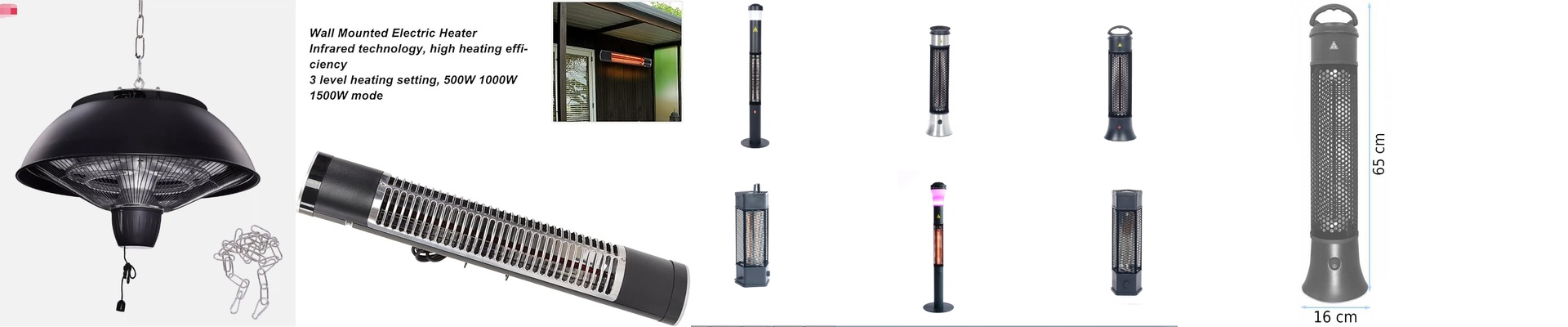
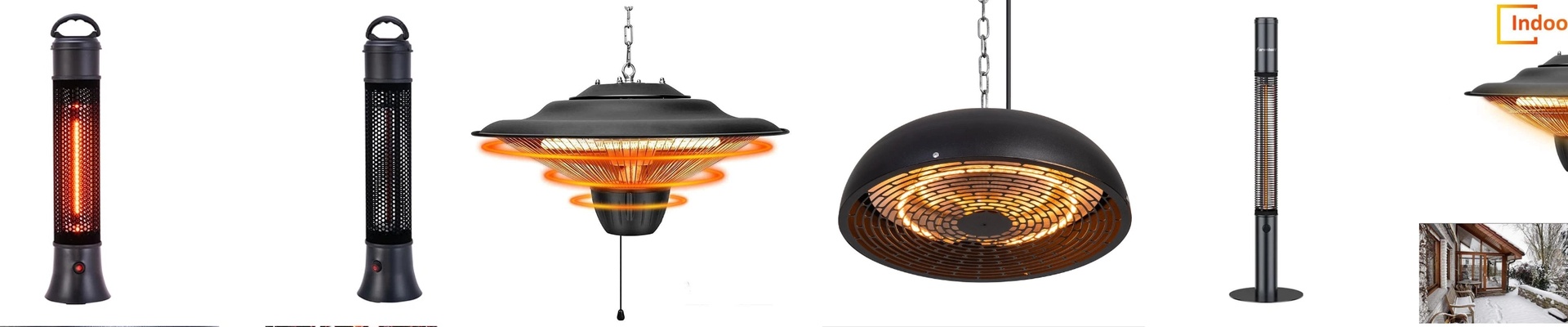
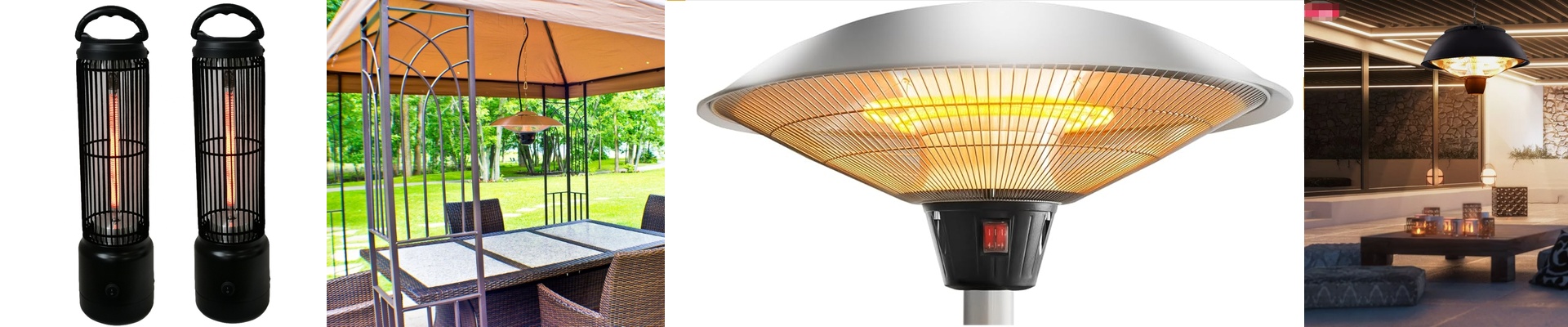


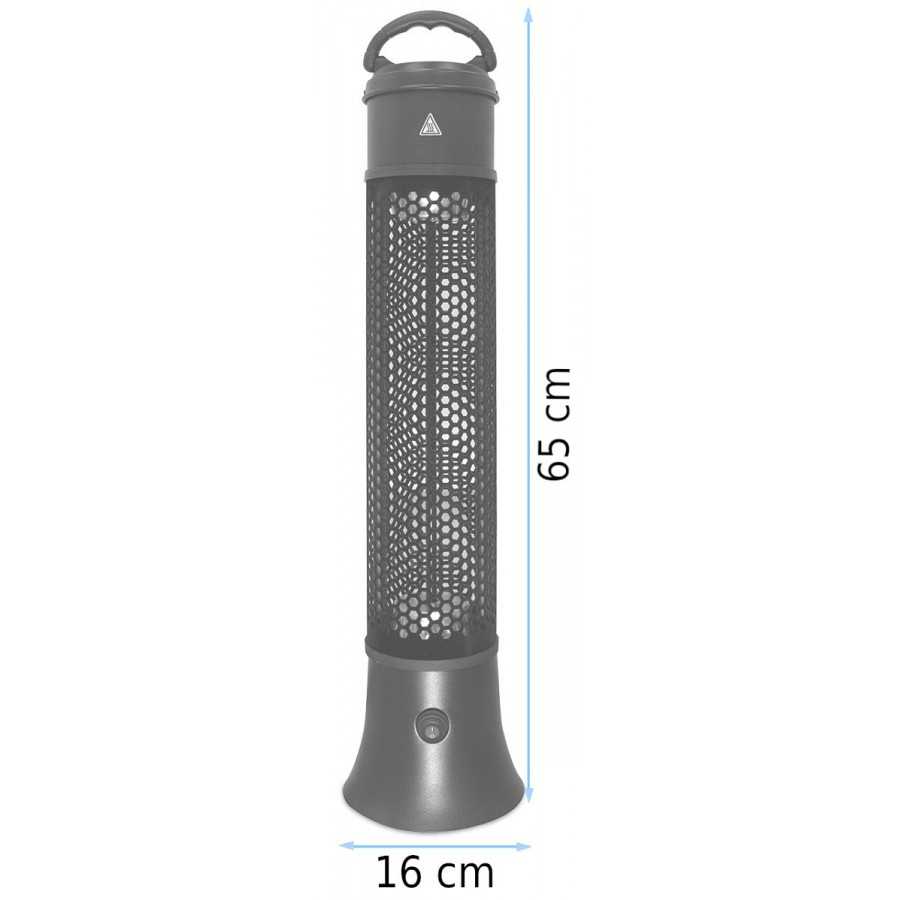
If you deal with allergies, turning on the heat shouldn’t force you to choose between comfort and clean air. Traditional forced-air systems kick up dust and dry the room out, and you end up with a scratchy throat and irritated eyes. A standing patio heater that leans on infrared warmth flips that equation—outdoors and in covered spaces—because it delivers heat without moving air. So you can just breathe easier. We built this standing patio heater around a carbon fiber infrared element, tuned for steady, directional radiant heat. It warms people and surfaces directly, not the air around them. The upshot is consistent comfort with less dehydration, and none of the dust-stirring blasts you get from convection heaters. A built-in thermostat keeps temperature steady, and you get tip-over protection plus an overheat sensor for day-to-day safety. Choose power ratings matched to room size or patio coverage, and plug into a standard outlet for straightforward electric heating. For allergy-prone households, the goal is a heating approach that avoids dryness and dust. Infrared heats objects and people first, so the air stays quiet and undisturbed—fewer triggers to flare sinuses and aggravate sensitivities. On covered patios and in sunrooms, the standing design throws broad coverage without blowing air, so conversations, meals, and evening relaxation can keep going comfortably. Energy use stays sensible, too: radiant warmth feels warm at lower air temperatures, which can help keep bills in check. Here’s the thing with infrared: it works best when it has a clear line of sight to you. Obstructions and high ceilings can dull the perceived heat, so placement matters. This electric heater is designed for covered outdoor areas and indoor spaces, not exposed, open-air decks in heavy wind. For the best results, position it where people gather and point it slightly toward seating—keep clearances clear and keep the unit upright on a stable surface.