
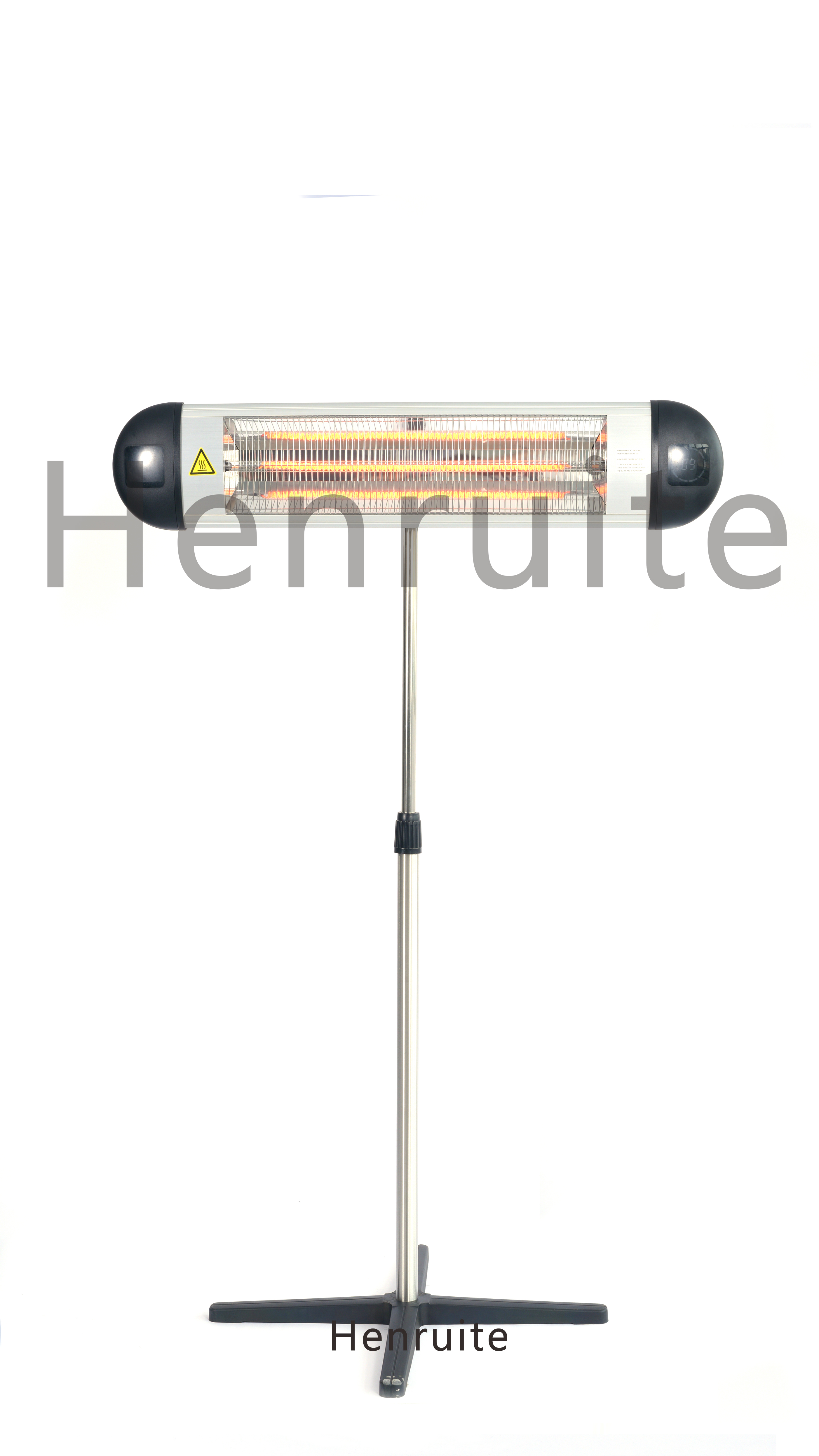
In an art gallery, the wrong kind of heat can be worse than no heat at all. Conventional convection heaters stir up dust, shove humidity around, and create temperature swings that put canvas, wood, and pigments at risk. When conservation is the priority, you need heat that’s precise—and that stays out of the way.
What matters, technically
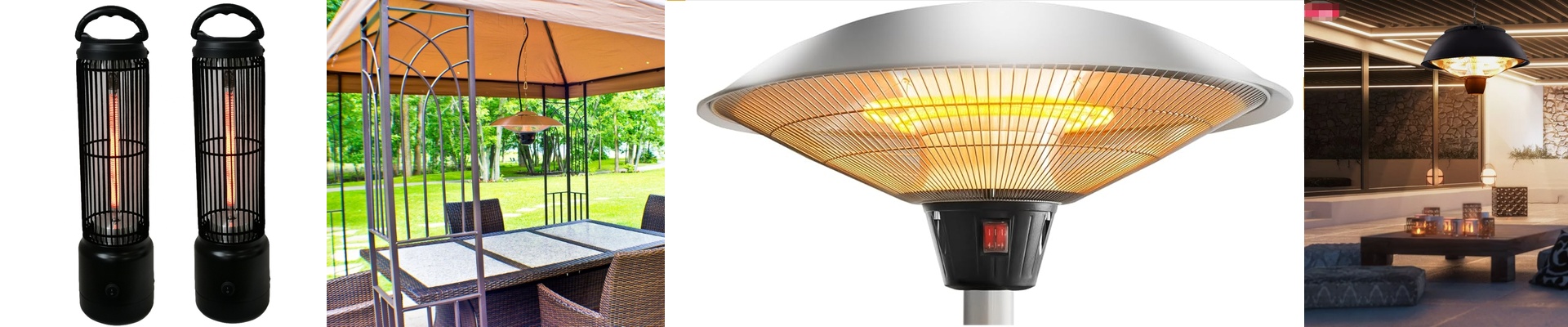
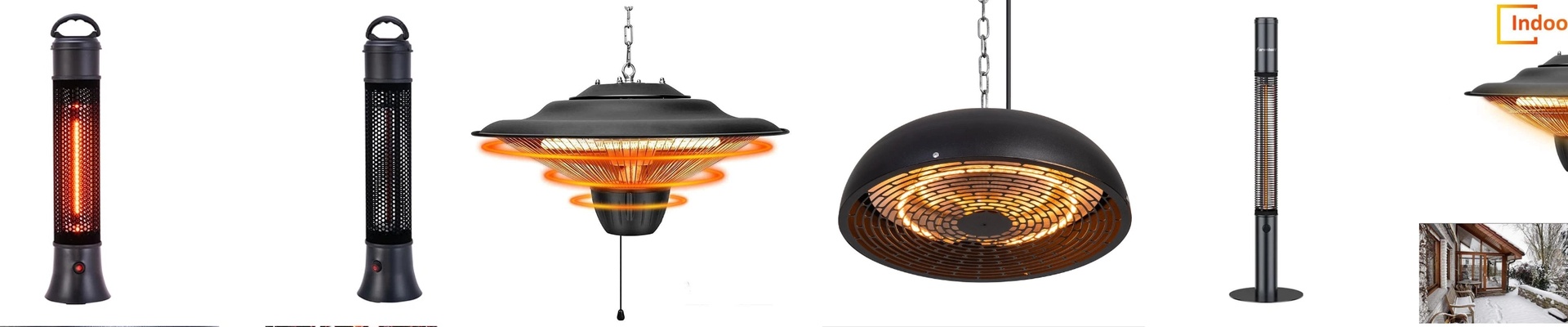
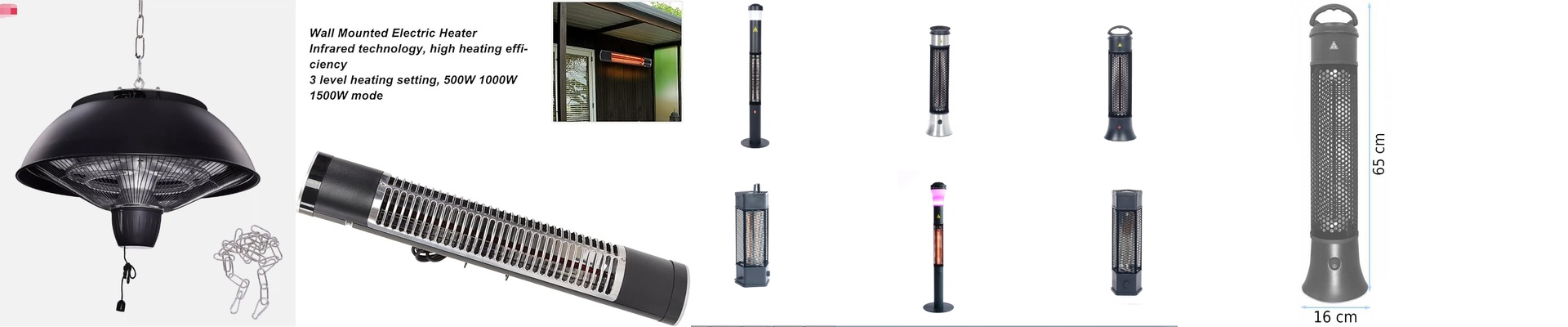
We build our top-rated space heaters for sensitive spaces around infrared radiant technology. It delivers warmth the way the sun does—directly to people and objects—without moving air. Inside, a high-purity quartz tube holds a carbon fiber element that heats fast and runs quiet. The result is directional heat with far less temperature stratification. Output is adjustable via thermostat, and the heater is engineered to run at low surface temperatures, so it stays comfortable around visitors. For safety, you get tip-over protection and overheat protection. The sealed design also means placement is easy and unobtrusive.
Why it works in a gallery
Infrared warmth skips air movement, so you avoid drafts that carry particulates and moisture. The heat profile stays steady, which helps maintain a stable microclimate around each piece. That stability matters. It reduces the stress that can drive canvas tautening, wood movement, and paint cracking. Because the heater warms people and surfaces directly, you can keep ambient air at a conservative setpoint and still deliver comfort. It’s efficient, too. Nearly all input becomes radiant warmth, so you protect collections without chasing energy spikes.
Things to know
Infrared heaters perform best when aimed at occupancy zones and key display areas—not as a whole-room fix. Plan placement to avoid direct glare on artwork, and keep line-of-sight warm without hot spots. Most models are electric and plug into standard outlets. For larger galleries, hardwired options can make more sense. Expect a short warm-up as the element comes up to temperature. And confirm the IP rating for your space: standard enclosures are usually fine for protected indoors, while sheltered outdoor entries may need higher weather resistance.