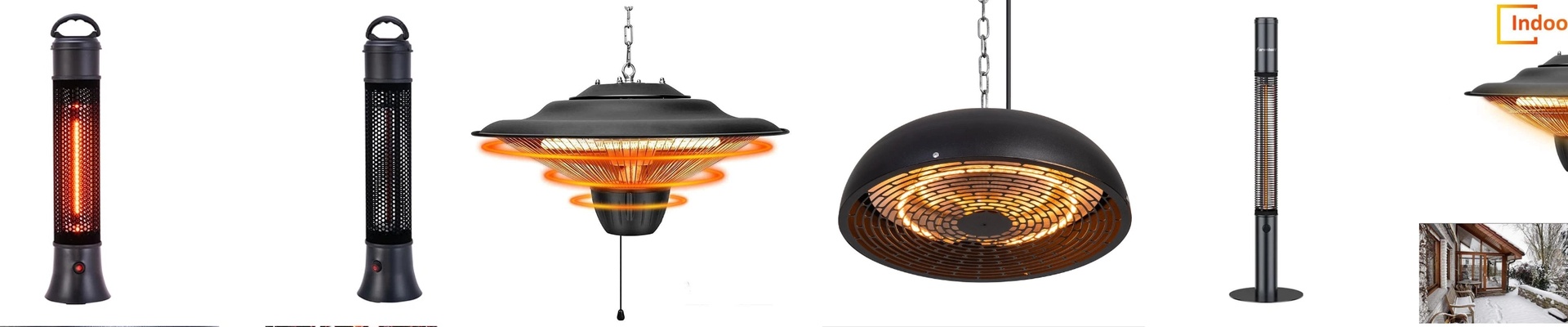
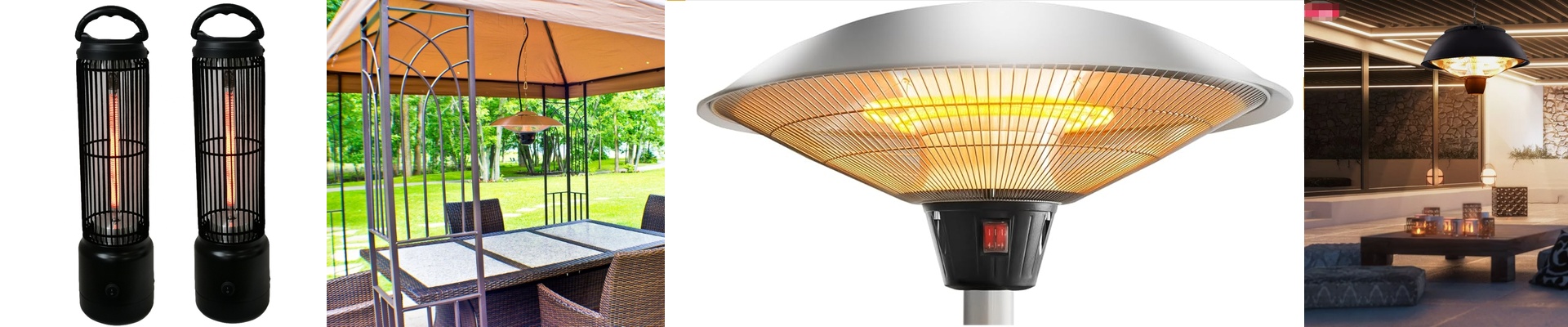
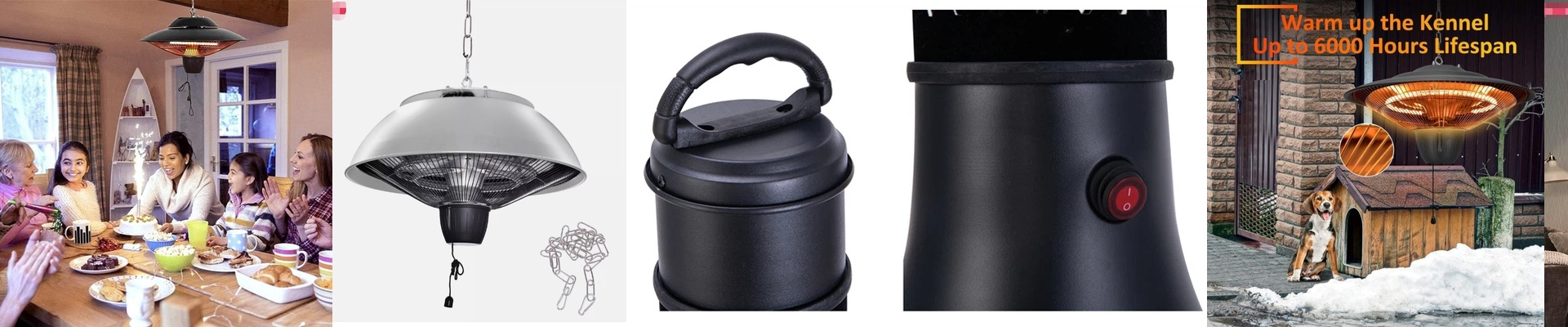
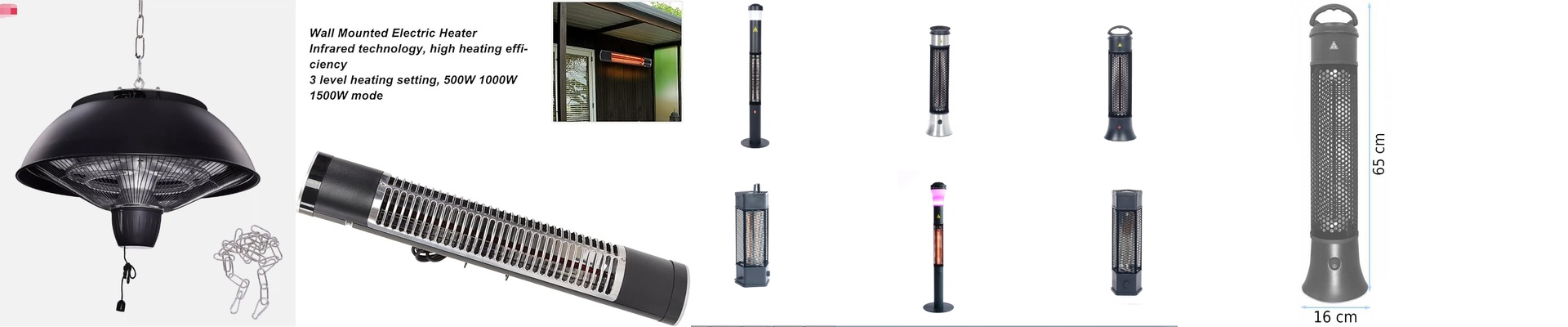
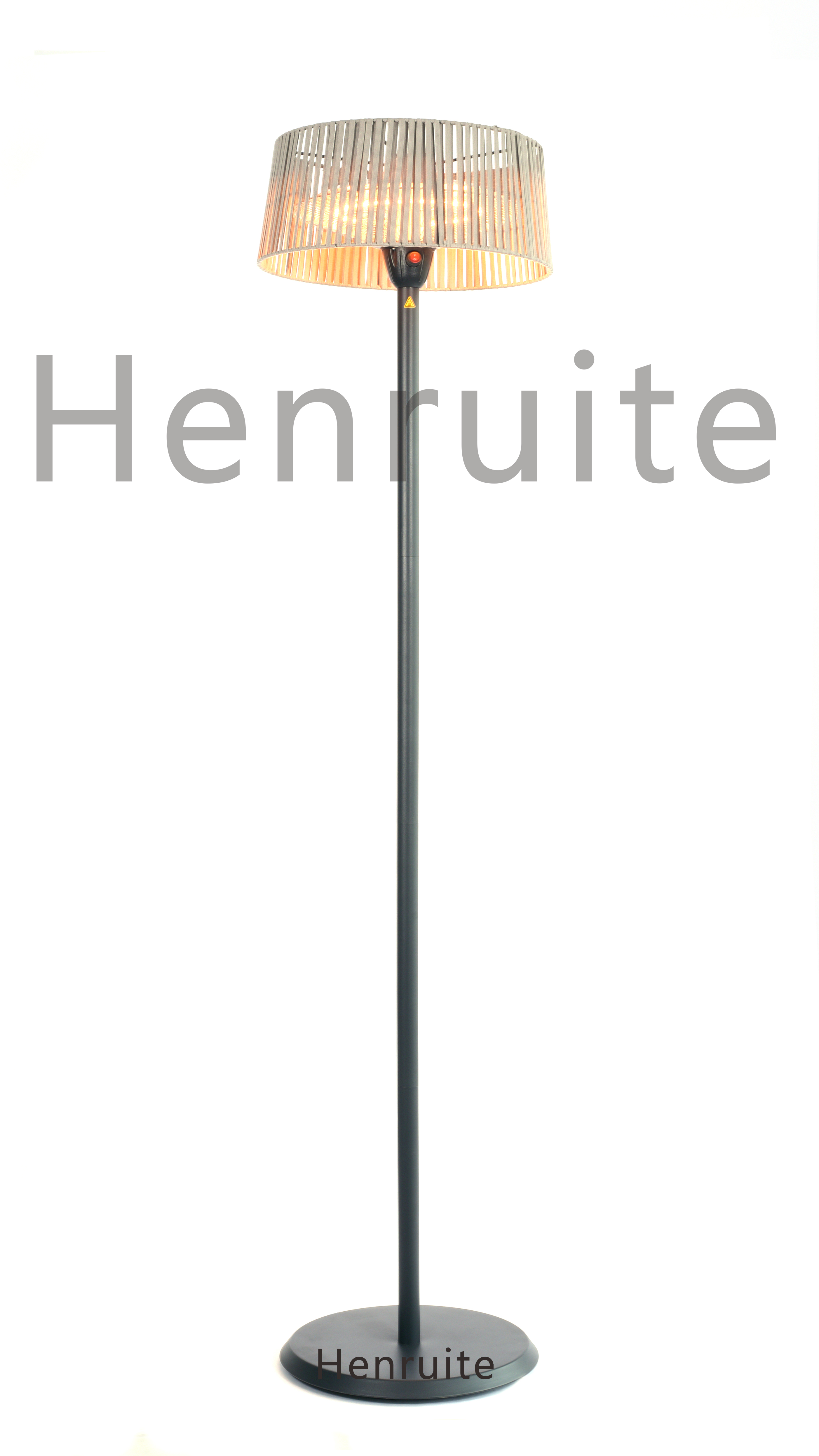
In a senior’s foot spa, comfort isn’t just a vibe—it’s steady, measurable warmth that keeps feet relaxed and stable. When the room runs a little cool, a conventional heater warms the air while the feet stay chilled, and that restless cold undercuts the whole soak-and-massage routine. That’s where an infrared space heater—the kind you’d see in a living room but built around radiant tech—starts to make solid sense.
What matters, technically
We’re using a short-wave quartz infrared heating tube, so the warmth is radiant—it travels straight to the skin instead of first heating the whole room. The result is localized, high-energy heat that hits the foot area quickly. In a typical foot spa setup, a 300–500W infrared module delivers enough intensity to create a gentle, even surface warmth without overheating the surrounding air. The quartz tube heats fast, holds its output steady, and we pair it with a straightforward thermostat so comfort stays consistent. For safety, the unit has tip-over protection and a cool-touch housing, and it runs quietly—no fan noise to pull people out of the relaxation zone.
Why it works in this setting
For older adults, foot comfort is closely tied to circulation. Infrared radiant heat warms the tissues directly, helping blood vessels dilate and improving blood flow to the feet. That warmth can ease stiffness, clear out the lingering chill after soaking, and make the entire session feel more soothing from start to finish. Because the heat is focused where it’s needed, energy use stays sensible, and the room doesn’t turn oppressively hot. Caregivers like the steady, draft-free warmth that keeps the foot area comfortable without constant fiddling.
What to keep in mind
Infrared warmth performs best with direct exposure, so position the heater to shine comfortably on the feet without glare. Keep the unit on a level, dry surface and follow the spacing guidance from the foot spa chair or basin so you don’t overheat any one spot. Infrared heat is efficient and pleasant, but it won’t warm the entire room the way a forced-air heater does. Pair it with a room temperature around 22–24°C, and the session stays comfortably balanced.