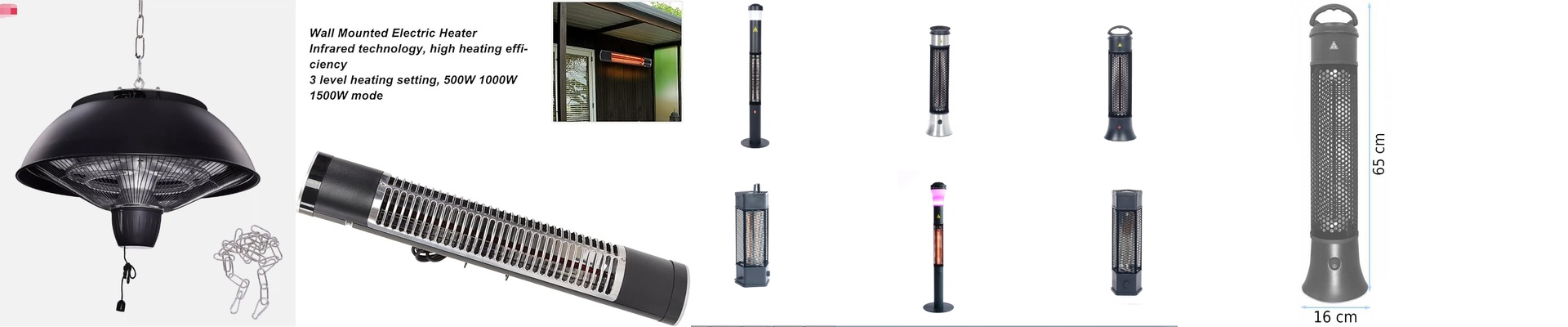
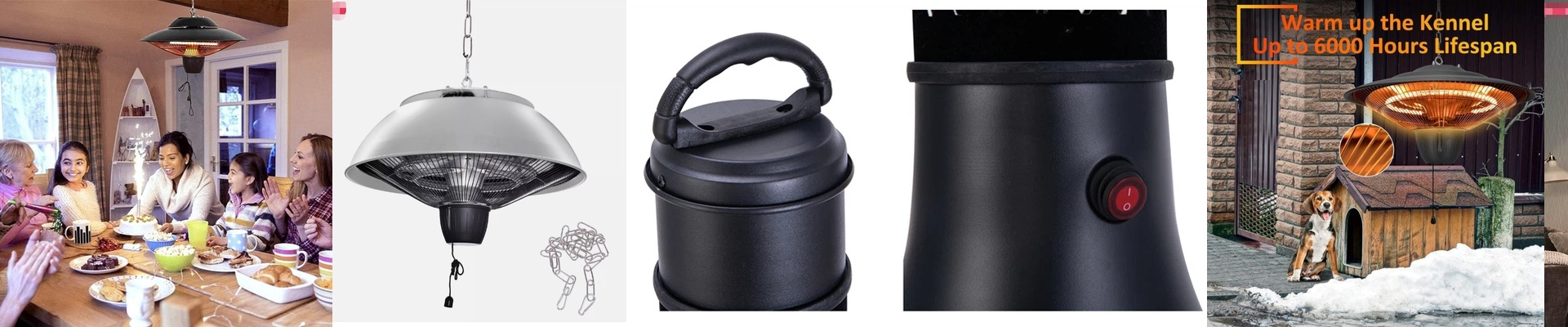
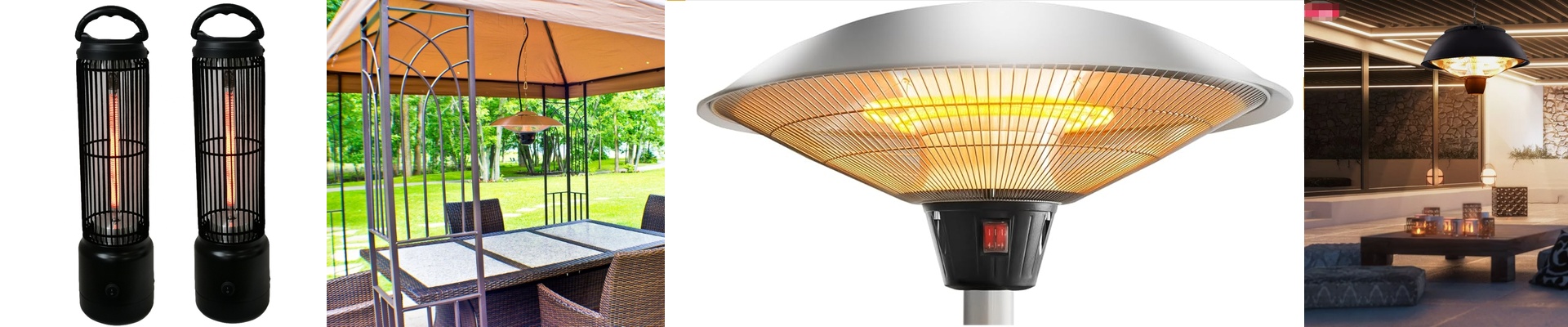
When winter evenings settle in, the real question is not just warmth—it’s how much that warmth costs. Traditional electric oil-filled radiators can make a room feel warm, but they also make the meter spin. In practice, that means paying to heat air that never quite reaches you.
What Matters Technically
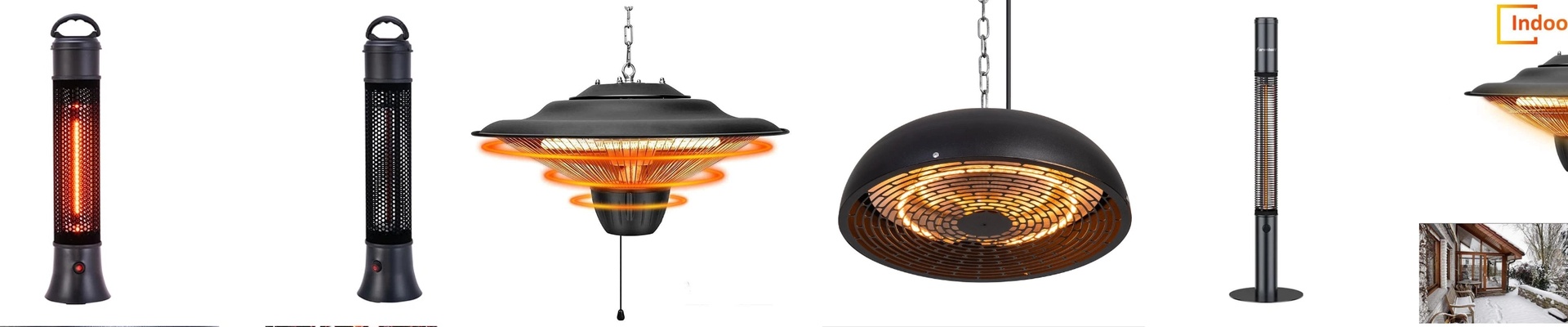
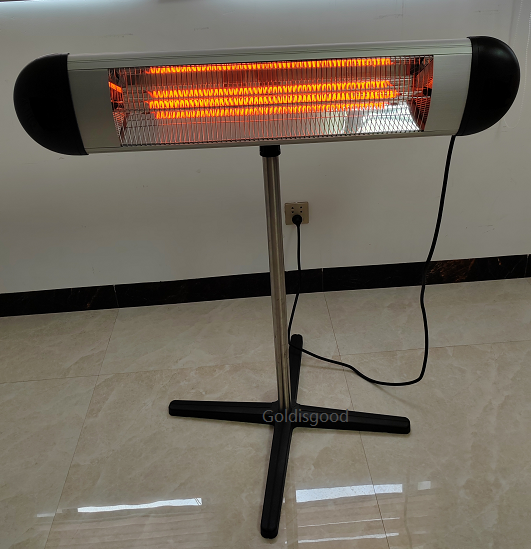
We built this energy-saving infrared heater around a carbon fiber element, chosen for its fast response and stable output. It delivers radiant warmth that travels directly across the room and warms people and surfaces first, not the ceiling. The result is a different kind of comfort: you feel the heat almost instantly, with less of the wait-and-see that comes with convection heating. In a typical living space, a 1200W infrared unit can produce a comparable level of perceived comfort to a 1500W electric oil-filled radiator. Because the heater focuses on targeted warmth, you often run it on a lower thermostat setting and for shorter cycles. Over a season, that difference can translate into measurable savings on your electricity bill.
Why It Works Here
Compared with an electric oil-filled radiator, this infrared approach is noticeably more direct. You don’t have to pre-heat the air for 20 minutes before you feel relief. You switch it on, and the warmth arrives quickly—ideal for a chilly patio, a drafty sunroom, or a workshop corner where you want heat on demand. You also get the practical benefit of lower operating costs. Fewer kilowatt-hours used to reach the same level of comfort means more money staying in your pocket. Add in the quiet operation and the gentle, non-drying feel of infrared warmth, and the evening becomes easier to enjoy.
Things to Know
Infrared heat warms what it can see, so placement matters. For best results, position the heater to face the main seating area with a clear line of sight. It is designed for indoor and covered outdoor spaces; direct exposure to rain or heavy moisture requires a model rated for the environment. One practical note: because radiant heat is directional, you may notice cooler air in parts of the room farther from the beam. In those cases, adding a second unit or pairing with a small circulating fan helps balance comfort without erasing the energy savings.