
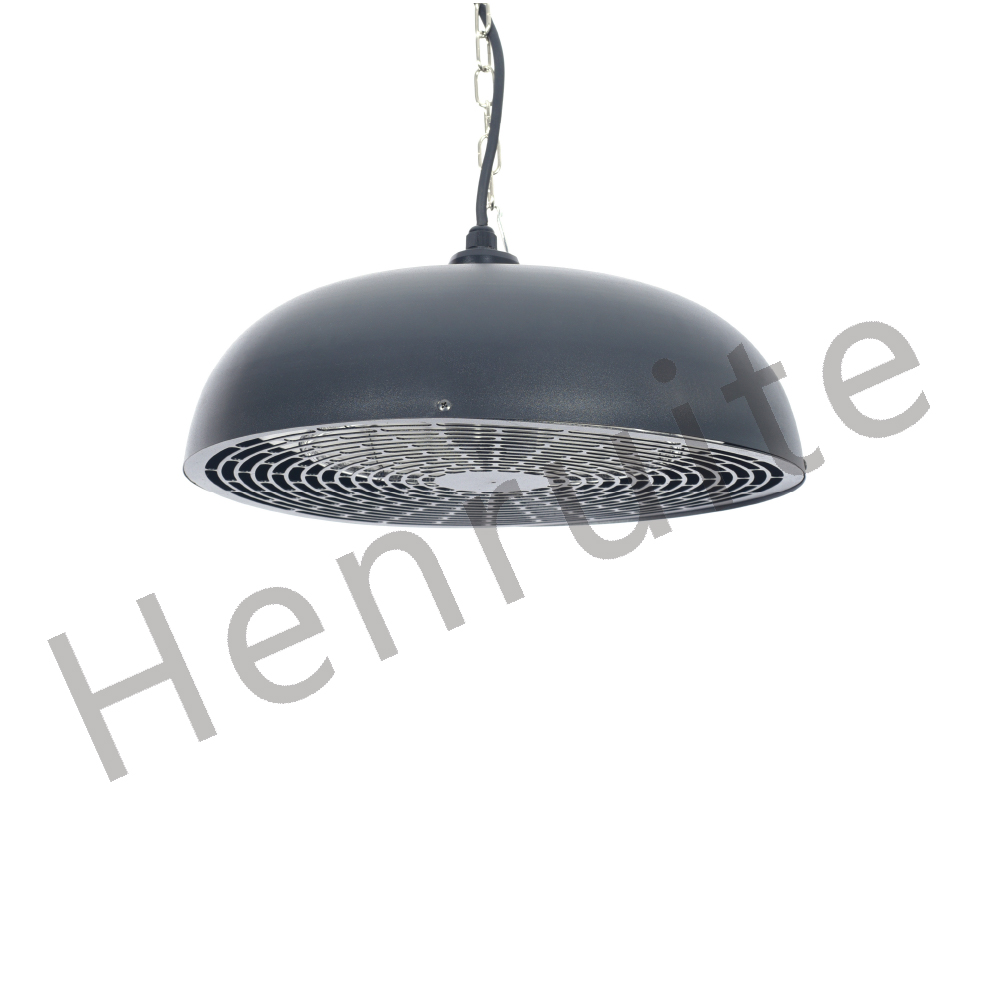
In a senior foot spa room, the priority is straightforward: get feet warm fast, without turning the air into a sauna or waiting around for convection to catch up. When the heater can’t pull its weight, clients feel the chill, stiffness creeps back in, and the whole session loses its therapeutic edge. We built our high-power electric heater around that reality—instant radiant warmth, focused right where it counts.
What actually matters, technically
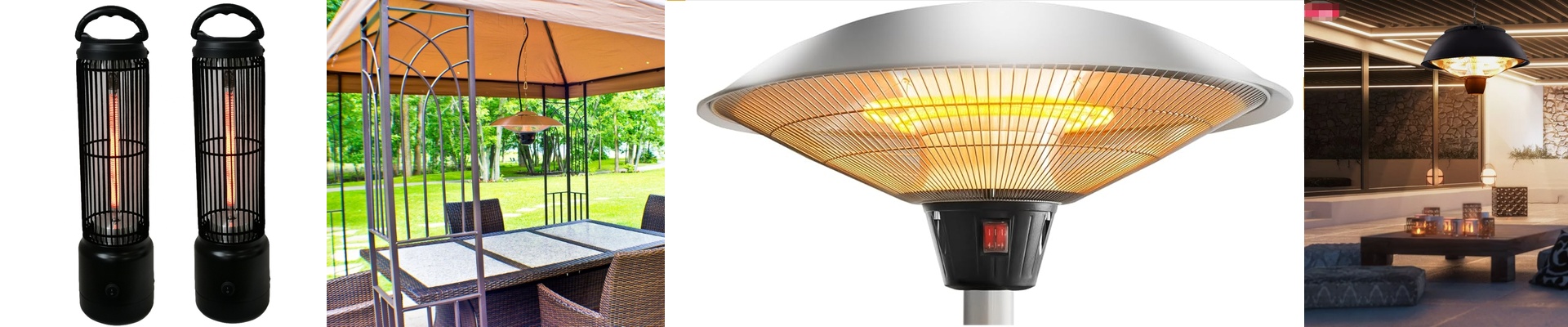
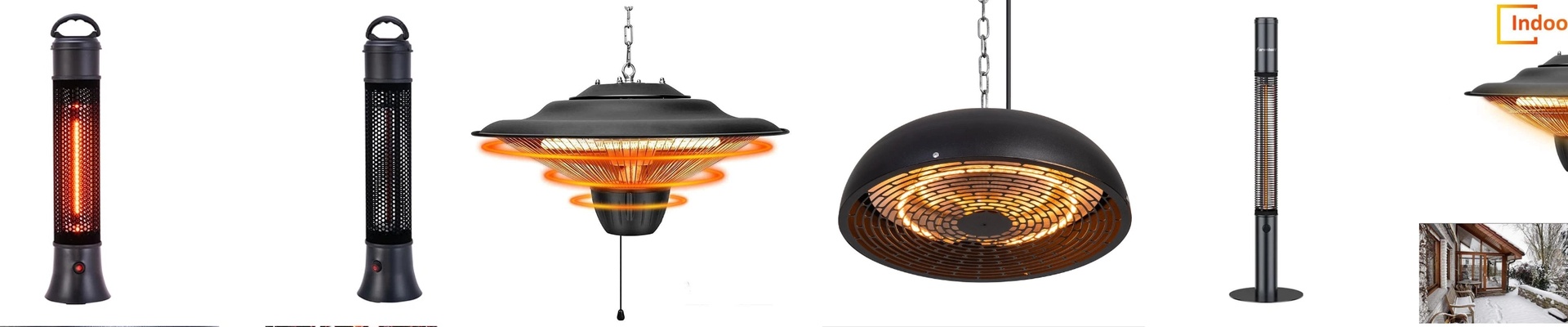
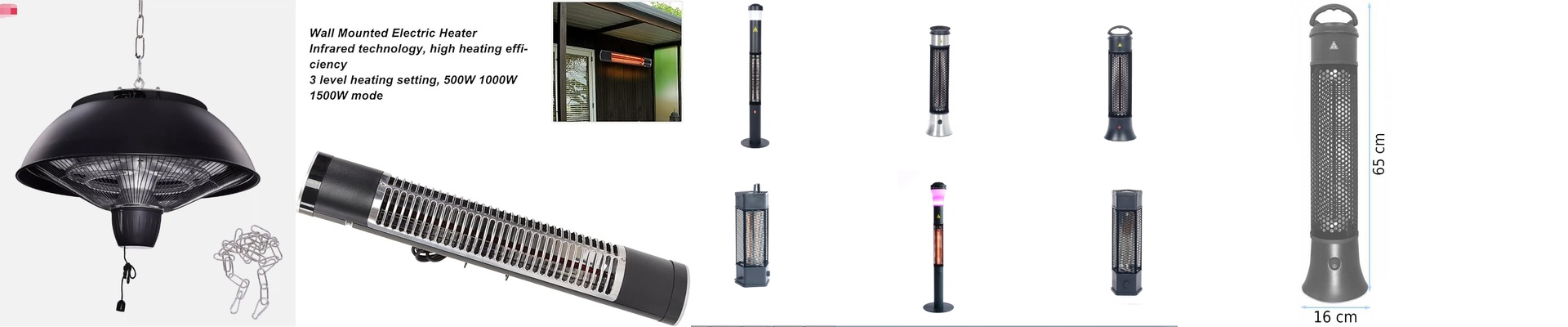
We went with a short-wave infrared heater, running a quartz tube and a high-output filament. At 1500W on a standard 120V circuit, it throws strong radiant heat within seconds of flipping the switch. The wavelength is tuned for deep tissue comfort, so the warmth penetrates the skin surface and reaches the muscles and capillaries of the feet more directly than warm air ever could. We pair that element with a reflector that directs the heat downward and forward, so the energy lands on the soles and ankles—not the ceiling. A built-in thermostat keeps the temperature steady, and the heater is rated for damp locations, so it handles the humid environment of a foot spa room without blinking.
Why this setup works in practice
In foot therapy for older adults, circulation is the real win. Radiant infrared heats the foot tissue from the inside out, encouraging blood flow and helping muscles relax. With this heater, the foot basin doesn’t have to run hot just to feel warm—clients settle in faster, sessions stay comfortably consistent, and the room stays quiet and still. Because the heat is local, you’re not paying to warm the entire room, just the feet that need it. That focus also means fewer drafts and less air movement, which matters when seniors are seated for extended care.
The details that make the difference
Positioning is key. Mount the heater at a height that covers the foot area without direct contact, and angle it so the beam hits the soles evenly. The unit needs a dedicated outlet and a solid mounting point; for best results, use the included bracket and follow the spacing guidance in the manual to keep nearby surfaces from overheating. One practical note: infrared heat is directional. It warms what it hits. Keep the path clear and don’t put towels or curtains in the beam. When it’s set up correctly, the heater runs quietly, heats quickly, and keeps foot spa sessions comfortably therapeutic—session after session.