Getting Infrared Heating Right for Silk-Screened Glass
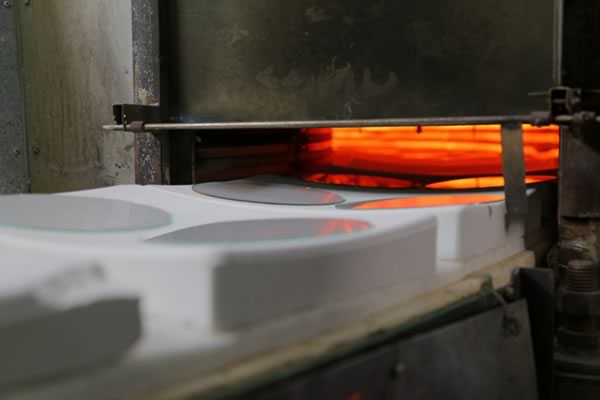
When you’re tempering glass with silk-screened patterns, you’re basically walking a tightrope. If you crank the heat too high, the ink burns or starts bleeding across the glass. But if you play it too safe and don’t hit that target temperature, the glass won’t temper. You end up with a fragile piece of junk. That’s where shortwave infrared (IR) lamps come in. They’re the bridge that makes this actually work.
The Battle Against Hot Spots
Here’s the tricky part: clear glass and opaque ink don’t react to heat the same way. The ink sucks up that IR radiation way faster than the glass does. This creates “hot spots” right on your patterns. If you aren’t careful, the ink just scorches. To stop that, we spend a lot of time tweaking the wattage and the spacing of the lamps. The goal is to get the heat to soak deep into the glass without frying the surface. And you can’t just blast it. You need a steady ramp-up. If the heat spikes too fast, the ink blisters. It’s all about finding that sweet spot where the glass is soft enough to bend, but the ink stays chemically stable.
The Hardware Headache
We usually go with high-wattage quartz lamps. They’re powerful. They keep the line moving fast. But there’s a catch. That kind of power puts a real strain on your electrical setup. You’ve got to make sure your wiring and contactors can handle that initial surge of current when everything kicks on. It’s a trade-off. Speed versus precision. Sure, hotter lamps mean more glass out the door, but your margin for error shrinks. If your conveyor timing is off by even a few seconds, your patterns will look distorted. It’s frustrating, but it happens.
Making it Work in the Real World
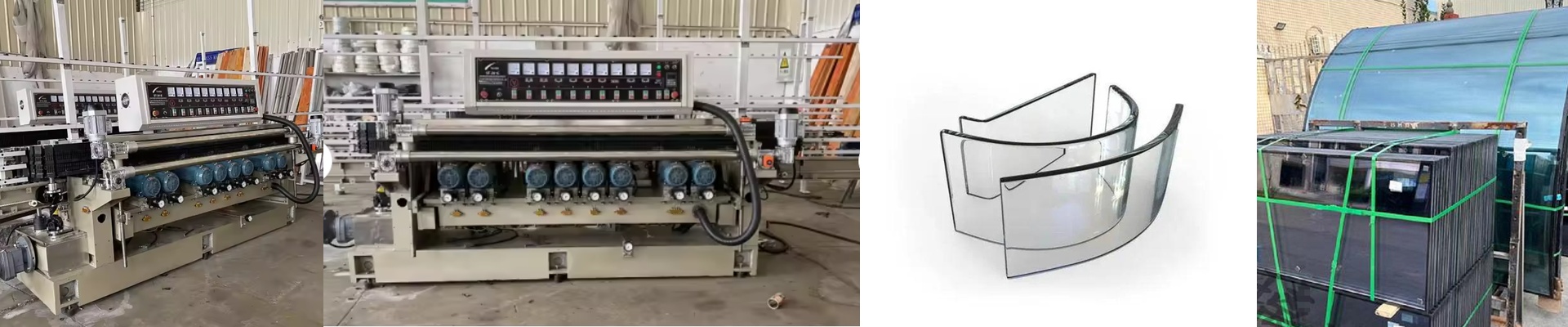
Putting these lamps into a bending line means dealing with a ton of ambient heat. It gets hot. Really hot. I always suggest using high-temp leads and heavy-duty mounting brackets. You don’t want vibrations shaking things loose over time. One last tip: check your alignment. Double-check it. Triple-check it. If there’s even a small gap in the heating zone, you get a cold spot. And a cold spot means internal stress, which usually means the glass snaps during the quench. Nobody wants to see that.