Getting the Heat Right: Why Standard Glass Preheating Lamps Usually Fail
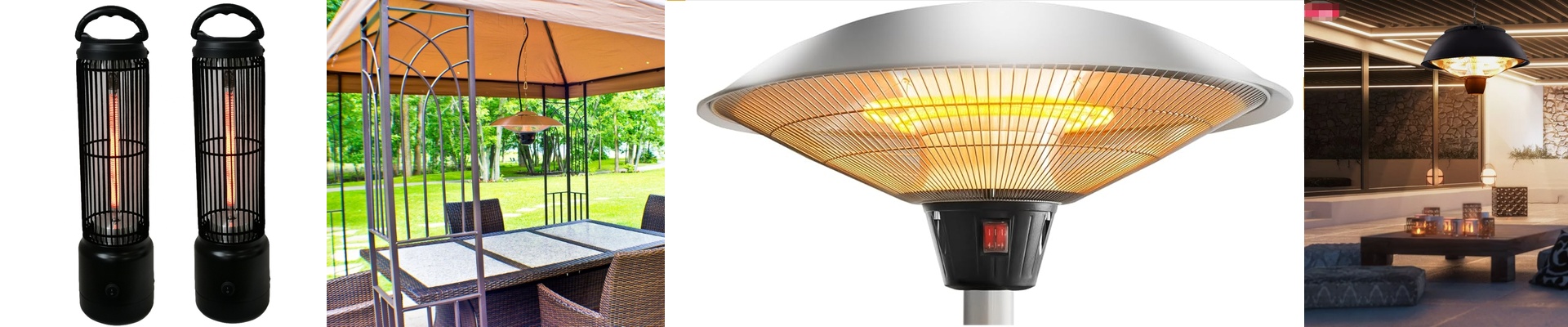
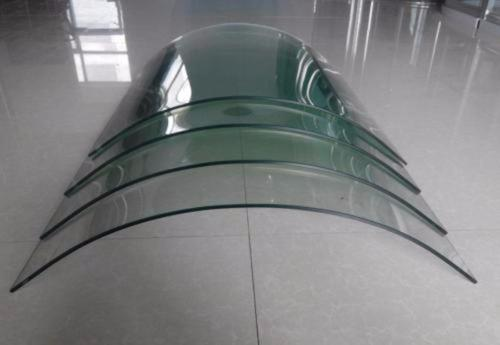
If you’ve ever had a piece of glass shatter during a cut, you know the frustration. It usually comes down to one thing: internal stress. To stop that from happening, you need a very specific thermal gradient. The problem is that most off-the-shelf lamps are too basic. They just blast uniform heat across the whole tube. That doesn’t work for complex jobs. We do things differently. Instead of a “one size fits all” approach, we focus on power density—giving you total control over exactly where the heat hits the glass. Designing the Heat Map Customization isn’t just about making the quartz tube longer or shorter. It’s about what’s happening inside. We tweak the filament winding and the wattage to create “hot zones.” Let’s say you’re working with a new material that needs a sharp spike of heat in the center but a gentle fade toward the edges. We can build a lamp that matches that exact profile. It saves you from the two biggest headaches in the shop: cold spots that cause cracks and overheating that warps the glass. The Nitty-Gritty Hardware We use high-purity quartz because it can handle the shock of rapid heating and cooling without giving up. Then there’s the fit. We know your housing might be tight or your power supply might be a bit picky. Whether you need specific voltage ratings or a weird footprint to fit into a cramped machine, we just build it to your drawing. No guessing games. The Trade-off You Need to Know About Here’s the thing about high power density: it’s great for speed. You get the heat you need in a much shorter window, and your machine doesn’t have to be massive. But there’s a catch. When you cram that much wattage into a small area, your cooling system has to work harder. If you go with a high-density lamp, double-check your airflow or water-cooling circuits. You need to pull that ambient heat away from the chassis, or you’ll end up melting your wiring. We handle the technical specs; you fine-tune the process. That’s how you take a project out of the lab and actually get it onto a production line.