Stop Wasting Energy on Your Glass Annealing
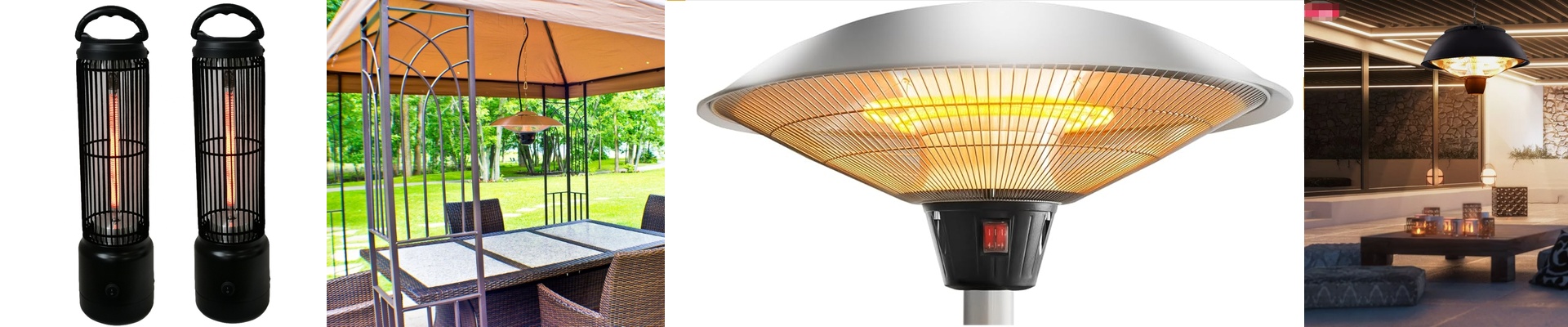
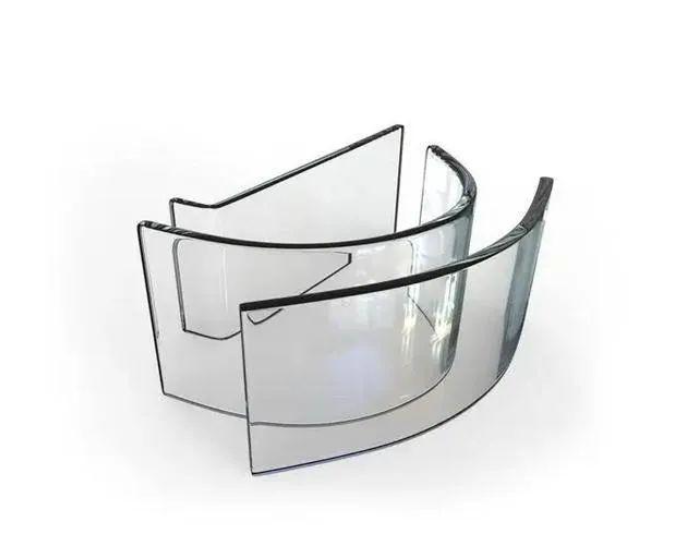
Let’s be honest: annealing is usually where the money disappears in a production line. Most setups just blast the entire oven cavity with heat, which is a waste. You’re basically paying to heat the air. We do things differently. Our quartz infrared lamps are built to hit the glass directly. It’s targeted energy. No fluff, no waste.
Getting the heat where it actually matters
If you want to see your power bill actually drop, you need to hit those annealing temperatures faster. We use high-purity quartz envelopes that let short-wave radiation fly right through without getting stuck. By packing more wattage into every millimeter, we put the heat exactly where the glass needs it. This is the part that actually helps your day-to-day: you can speed up your conveyors or even cut out a few heating zones. And you don’t have to worry about thermal shock or internal stress ruining your batch. It just works.
The nuts and bolts
Our lamps use a halogen cycle. In plain English? It stops the tungsten filament from evaporating. This means the lamps don’t burn out every five minutes and the heat stays steady for thousands of hours. Plus, we offer a bunch of different connectors. They’re designed to be drop-in replacements, so you aren’t spending your weekend rebuilding your entire rig just to switch bulbs. One quick heads-up, though. When you push more wattage into a smaller space, your lamp holders feel the pressure. If you go with a high-density array, double-check your wiring and sockets. Make sure they can handle the current, or you’ll end up with melted terminals. Trust me, you don’t want that.
Saving some real cash
Moving from old-school resistive heating to targeted infrared changes everything. Your lehr warms up way faster. Instead of paying to heat the room, you’re heating the product. That’s a direct win for your kWh per unit. We also spend a lot of time matching the lamp’s emission to the glass’s absorption peak. Why? Because there’s nothing more frustrating than energy that just bounces off the surface instead of soaking in.