Stop Fiddling With Individual Tubes: Why Curved IR Modules Just Make More Sense
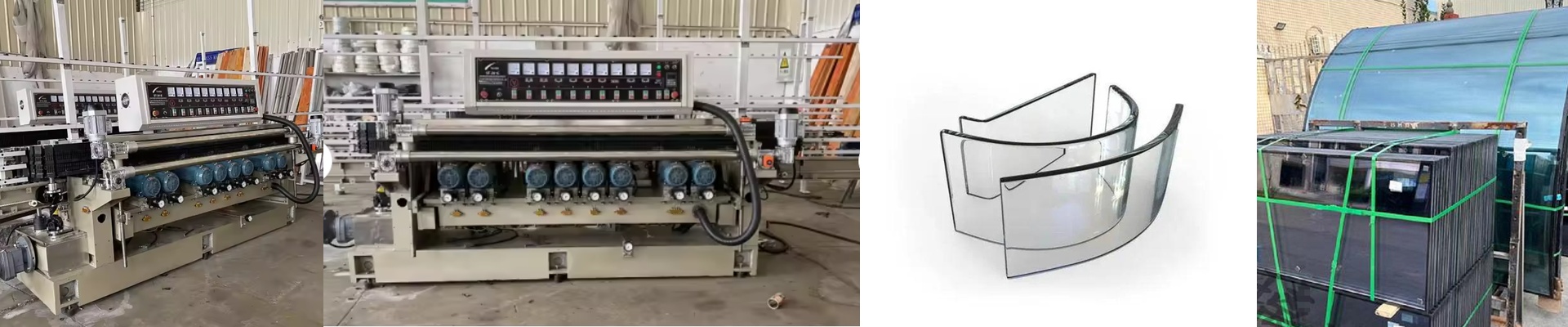
Most glass lehr setups start the same way: a pile of individual infrared lamps. You buy the tubes, bend them yourself on the shop floor, and wire them up one by one. It’s a grind. It eats up man-hours and, let’s be honest, it’s rarely perfect. If your bending radius is off by even a tiny bit, you end up with uneven heat. We decided to stop doing it the hard way. Instead of selling you parts, we provide pre-assembled, curved heating modules.
Moving from Parts to a System
Think of it this way: a lamp is just a component. A module is a complete system. We’ve already put the quartz tubes, reflectors, and wiring together into one unit. That takes the guesswork out of the whole installation. Instead of your team spending days fighting to fit tubes into a chassis, you just drop in a replacement that actually fits the geometry of your lehr. We use shortwave infrared (SWIR) for these. Why? Because shortwave radiation hits the glass surface faster. You can keep the lehr footprint smaller while still hitting those exact temperature profiles you need for annealing.
The Reality Check: Installation and Trade-offs
Now, here is the catch. When you move to a high-output modular system, you’re putting more heat into the surrounding housing. You can’t just swap out a low-power array and call it a day. You have to check your cooling fans. If your airflow can’t handle the extra thermal load, you’re going to fry your wiring terminals. It’s a simple fix, but it’s one you can’t ignore. The upside? We handle the precision bending and electrical terminations before the module even leaves our warehouse. No more praying that a quartz tube doesn’t crack while you’re installing it in the field.
Less Stress on the Shop Floor
The best part is getting rid of the “fiddling” factor. You don’t have to spend hours calibrating the position of every single lamp. Because the modules are pre-set, the distance between the emitter and the glass stays the same across the entire curve. You get a uniform heat soak. No more annoying cold spots in your glass sheets. Just a setup that works.