Why 0.1°C Actually Matters When You’re Working With Lab Glass
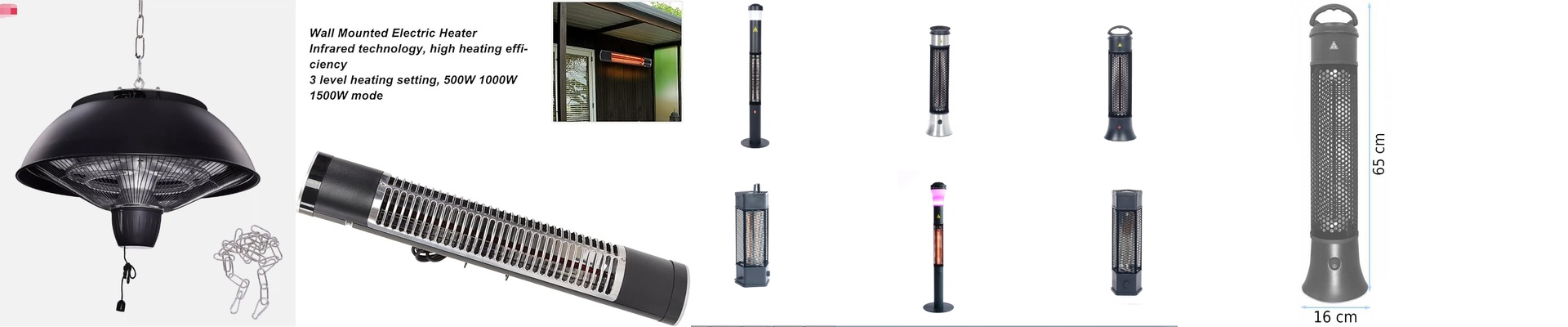
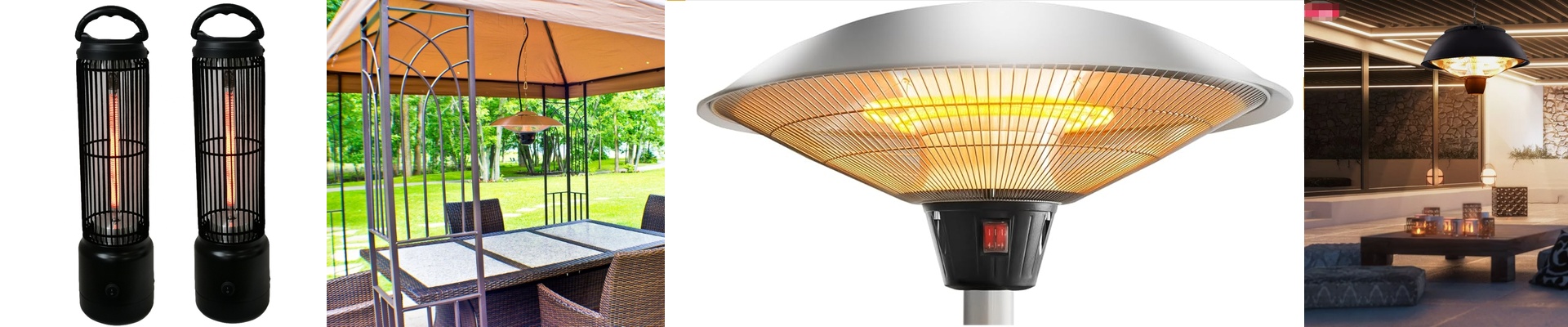
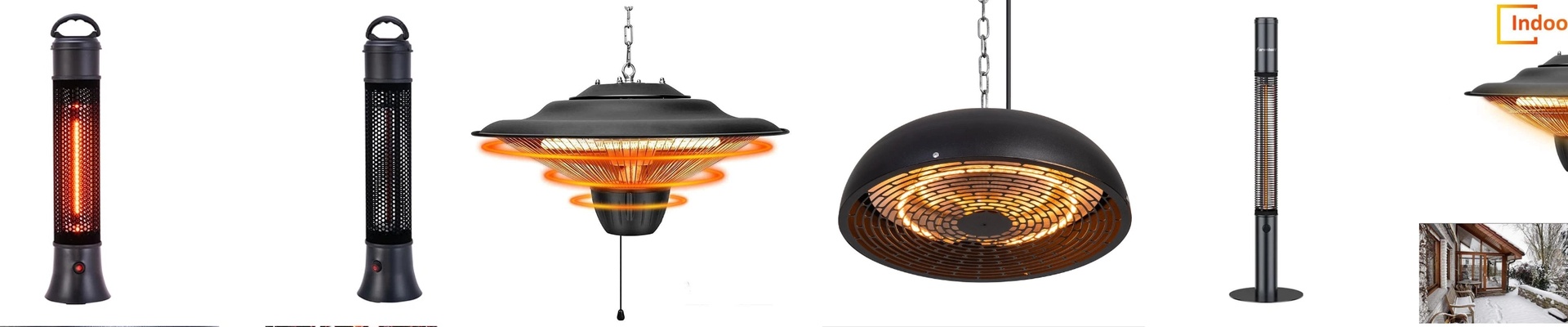
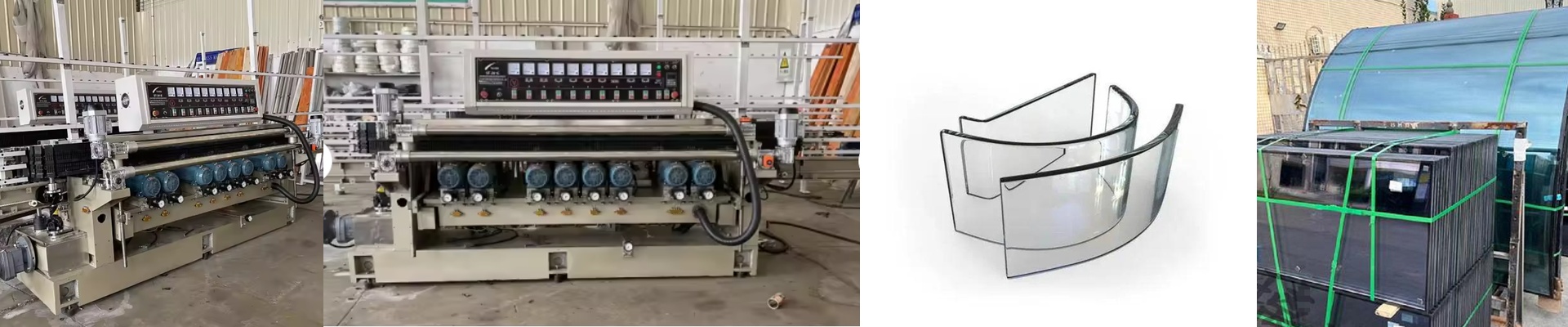
If you’ve ever handled lab-grade glass, you know the stakes. These containers often hold chemicals that don’t play nice. If there’s too much internal stress left in the glass after it cools, the whole thing can just… shatter. That’s why we obsess over the annealing process. Specifically, we use high-precision infrared (IR) heating to nail the cooling point. The struggle with those tiny temperature swings When you’re working with borosilicate or quartz, there’s a very tight window where the glass goes from being “plastic” and moldable to totally rigid. If your heater jumps by even two or three degrees, you’re asking for trouble. You get these uneven temperature pockets across the glass walls, which leads to thermal shock. We keep our IR elements locked in at a 0.1°C precision. It sounds like overkill, but it’s the only way to make sure the molecules settle down evenly. Why we went with IR We stopped relying on conventional heating for a simple reason: air convection is too slow. IR is different. It hits the glass directly with radiation. We can target the surface of the vessel without having to bake the entire oven chamber to the same temperature. It’s faster. It’s cleaner. And it gives us way more control over the cooling curve. The hidden headaches Now, this isn’t a “plug and play” setup. Getting that 0.1°C accuracy takes some real work. You can’t just hook these elements up to a basic relay and hope for the best. We have to use high-end PID controllers and top-tier thermocouples. If there’s any noise or ripple in the power supply, that precision just vanishes. Plus, you have to be smart about spacing. If the elements aren’t positioned just right, you’ll end up with “cold spots” right in the middle of your glass. Killing the tension The goal here is to bleed out all that internal tension. We hold the glass at that sweet spot and then let the temperature drop at a snail’s pace—sometimes as slow as 1°C per hour. It takes patience, but it works. When we hit that level of accuracy, the glass becomes incredibly stable. You can throw it in a centrifuge or a high-heat autoclave and not spend the whole day worrying if it’s going to crack.