Why Your IR Lamps Are Messing With Your Glass
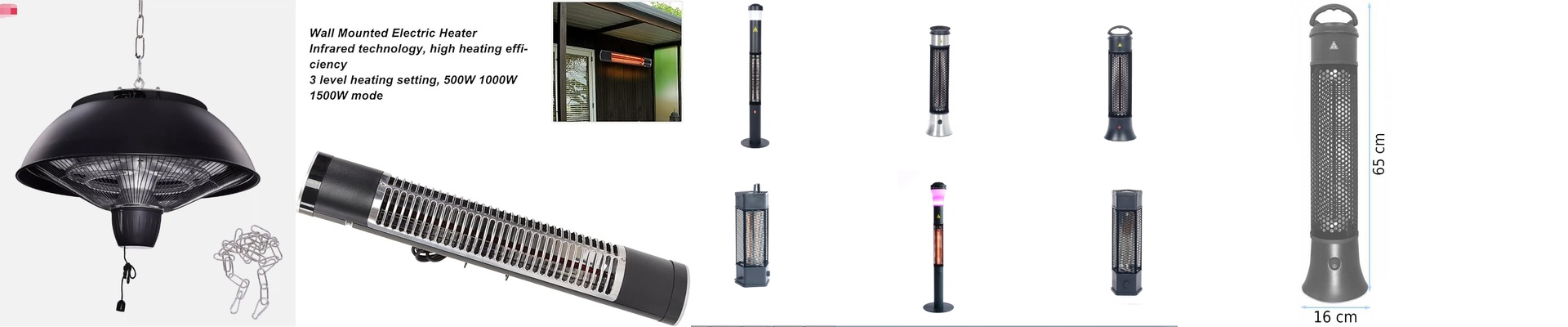
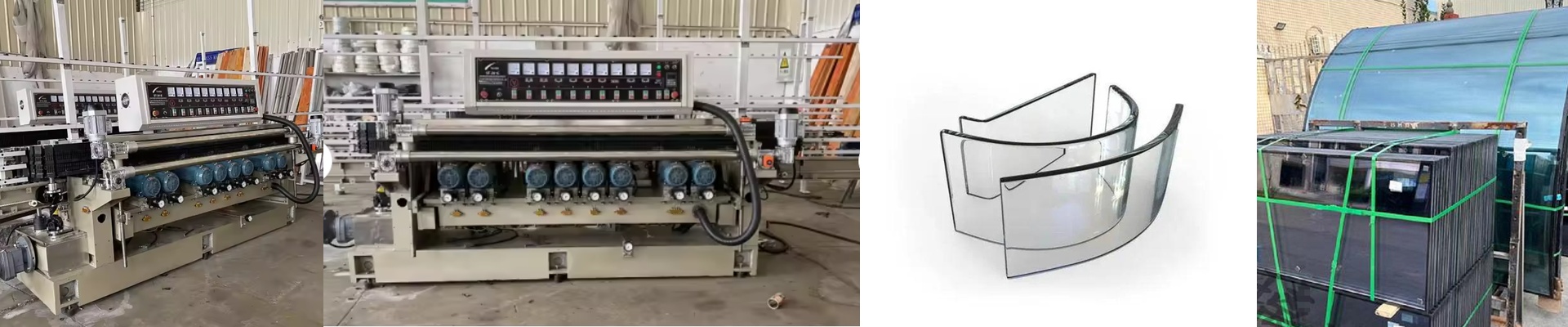
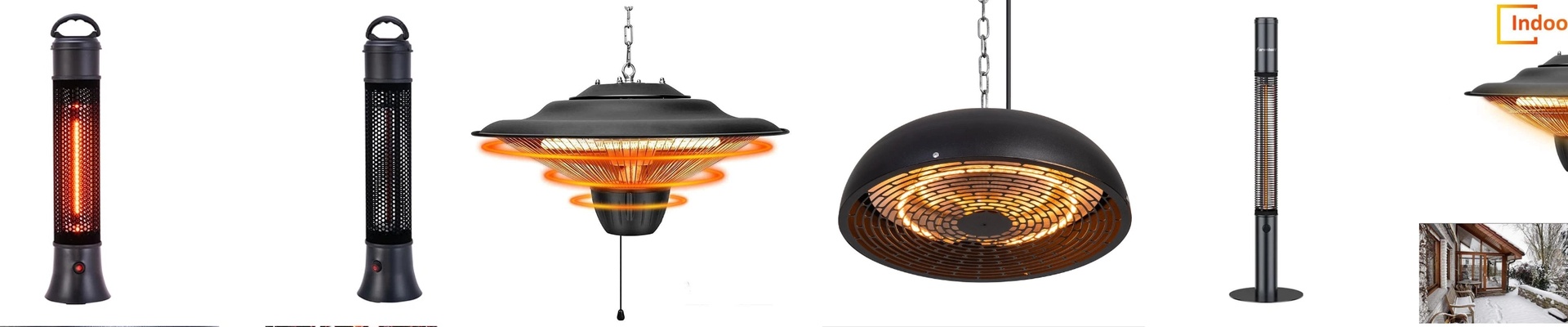
Ever wonder why one batch of glass comes out perfect and the next one is a total headache? Usually, it comes down to the heat in your kiln. Here’s the thing: you aren’t just fighting the air temperature in the room. You’re fighting the lamps themselves. If one lamp in your array is pushing out 10% more energy than the one right next to it, you’ve got a problem. You get these “thermal gradients”—basically hot and cold spots—that leave the glass with internal stress and weird refractive indices. It’s a nightmare to fix after the fact.
The problem with “standard” specs
If you look at a spec sheet for a standard IR lamp, the tolerance range looks fine. On paper, it’s a non-issue. But on the shop floor? That’s a different story. We see it all the time. You’ve got a bank of lamps where the wattage is all over the place. High-consistency lamps fix this by tightening the screws on how the tungsten filament and quartz envelope are made. The goal is simple: make sure every single lamp turns electricity into radiant heat at the exact same rate. When that happens, your thermal profile flattens out. The glass hits its annealing point evenly. No surprises.
Stop chasing ghosts
When you switch to high-consistency lamps, you can finally stop playing “whack-a-mole” with your kiln settings. You won’t spend your afternoon manually tuning zones or chasing “ghost” cold spots that seem to move every time you look at them. We use specific halogen fills to keep the filament healthy and the light output steady over the long haul. But a quick heads-up: these lamps are precise, which means your power needs to be too. If your power supply has a lot of voltage ripple, you’re basically throwing away the benefits of the lamps. You need a stable voltage source to keep them locked in.
What this actually does for your day
When the heat is uniform, your timing becomes predictable. You stop dealing with the “edge effect,” where the outside of the batch cools faster than the middle. That’s the real win. You can actually push your throughput and move faster without worrying that the glass is going to warp or structurally fail. It just works. And that makes the whole process a lot less stressful.