Killing the “Cold Spot” Problem in Glass Annealing
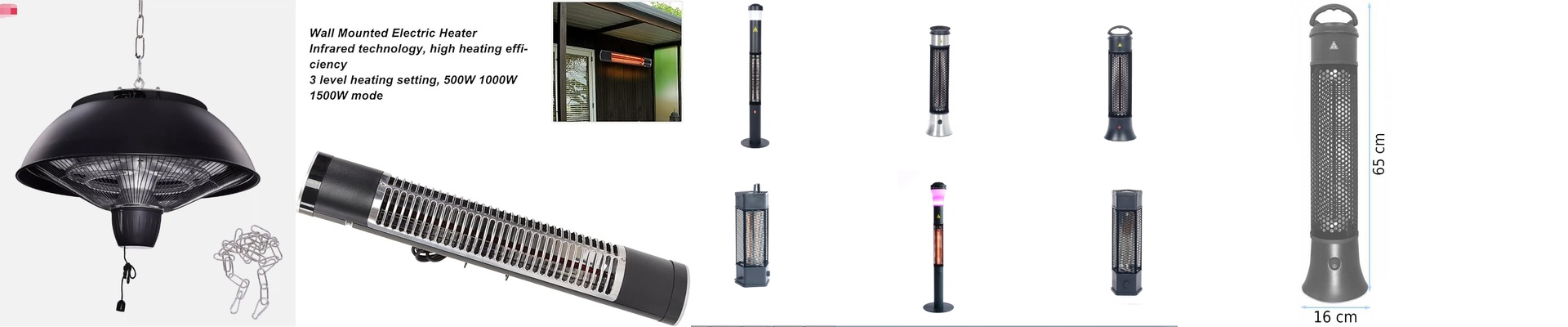
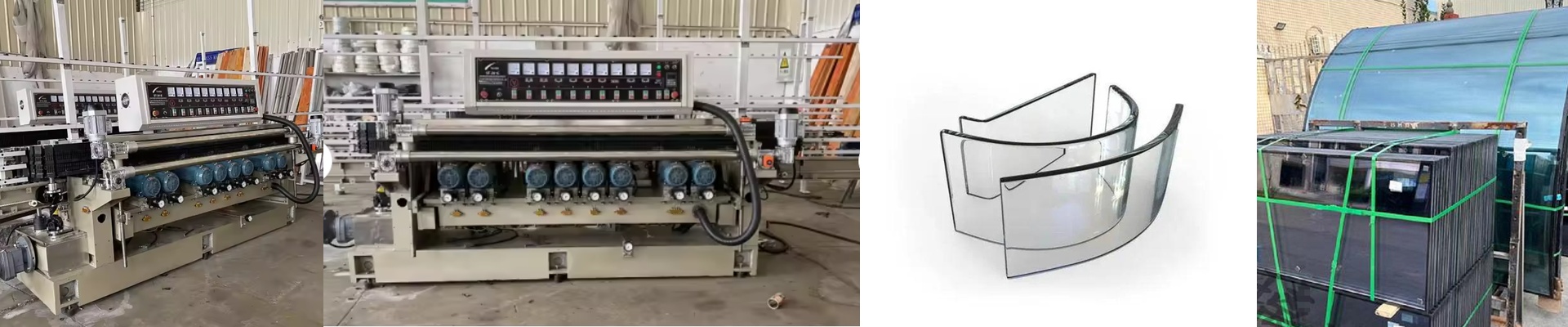
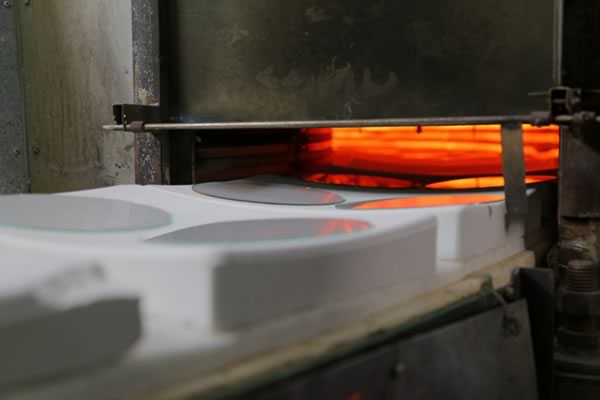
If you’ve ever had a complex piece of glassware crack during annealing, you know the frustration. You did everything right, but some hidden corner or deep recess stayed too cold. We call these “thermal dead zones,” and they’re a nightmare. Traditional convection ovens just can’t keep up. They try to push hot air into every nook and cranny, but air is lazy. It misses the tight spots, leaving you with internal stress and a piece of glass that’s basically a ticking time bomb. Here is how we actually fix it. Instead of relying on air, we use short-wave infrared (IR) quartz lamps. Think of it like the sun hitting your skin on a summer day—the heat doesn’t wait for the breeze; it just hits you. By arranging these tubes in a multi-angle array, we make sure the radiation reaches every single surface of the vessel. No more praying that the airflow is “good enough.” You get a direct hit of energy exactly where it needs to be. Dealing with weird shapes Glassware isn’t always a simple cylinder. When you’re dealing with irregular footprints, you can’t just use a one-size-fits-all approach. We mix and match different tube lengths and wattages. We use high-wattage quartz tubes to give the glass that initial “punch” to get it up to temperature fast. We stick with quartz envelopes because they can handle the brutal heat of glasswork without warping or giving up on you. And the best part? You can wire these into zoned controllers. This means you can crank the heat on the thick, chunky parts of the container while dialing it back for the thin necks. It keeps everything balanced so you don’t accidentally melt the delicate bits. The honest trade-offs Now, it’s not all magic. There are a few things to watch out for. We usually go with standard R7s or Sk15 connectors. It makes life easy because when a tube eventually burns out, you just pop a new one in and keep moving. But here’s the catch: these IR arrays get hot. Really hot. If you pack the lamps too tightly to kill every last dead zone, you’re going to cook your own electronics. You’ll need to beef up the cooling in your control cabinet. If you don’t, your sensors and contactors will fry way sooner than they should. Once you get the cooling sorted, though, you’re golden. You get a perfectly uniform piece of glass, no matter how strange the shape is.