Why Your Bathroom Heater Doesn’t Just Explode
Let’s be honest: bathrooms are a nightmare for electronics. You’ve got thick steam, wild temperature swings, and water splashing everywhere. It’s a brutal environment. If you put a standard quartz tube in there, it’s basically a ticking time bomb. Here is why: imagine a tube glowing at 600°C. Now imagine a single, cold drop of water hitting it. The glass shrinks too fast, it can’t keep up, andpop. It shatters.
Making Glass That Actually Lasts
To stop that from happening, we don’t use basic glass. We use a specialized, explosion-proof quartz. Think of it as a reinforced shield. We treat the glass with a specific coating and a chemical tweak that makes it way more resilient. It can take a beating from steam and splashes without losing its cool—or bursting into a million pieces.
The Magic of Instant Heat
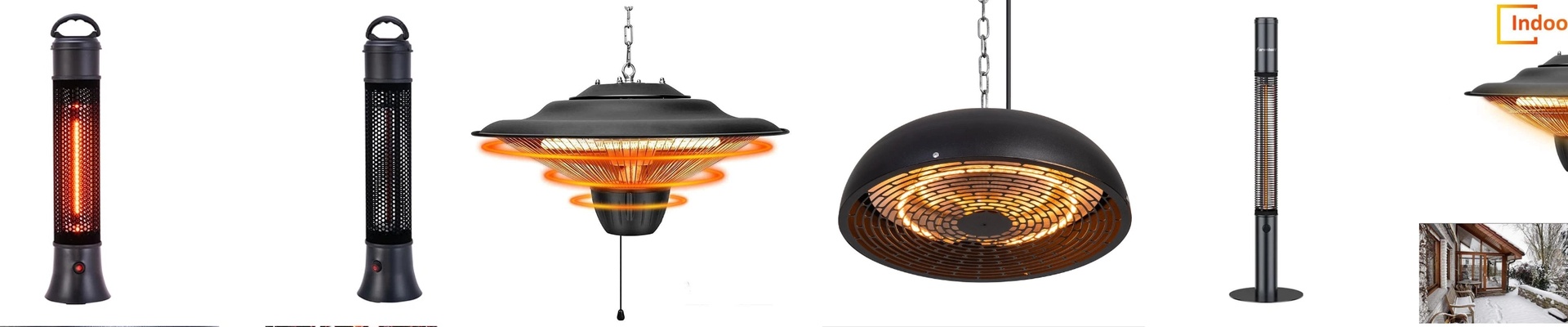
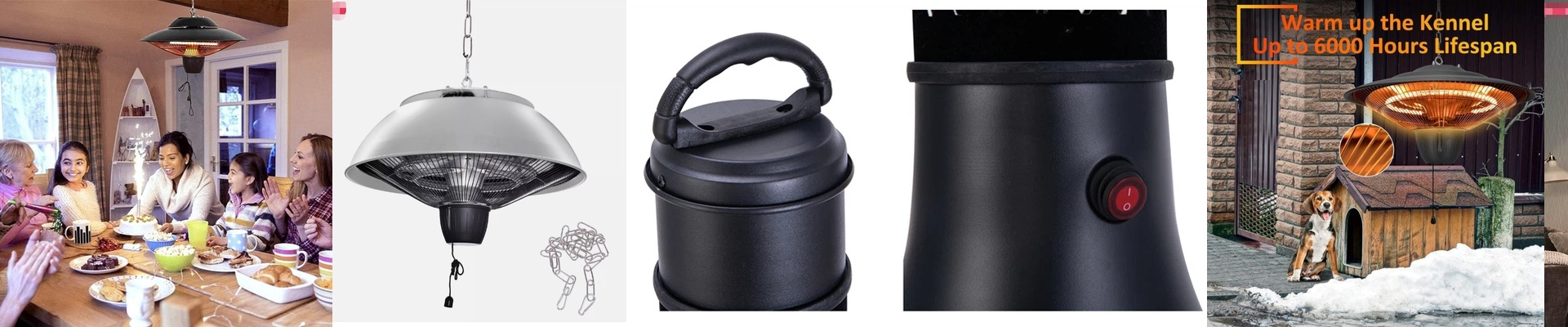
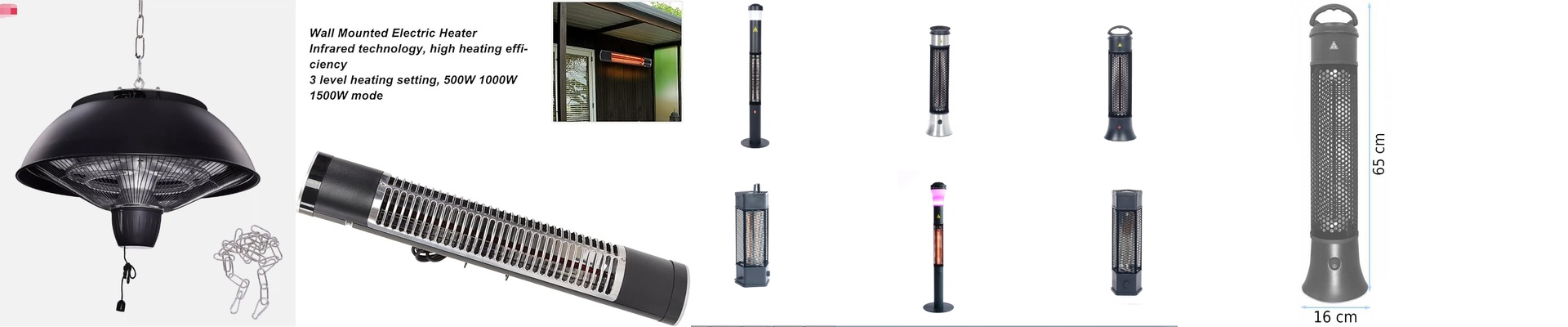
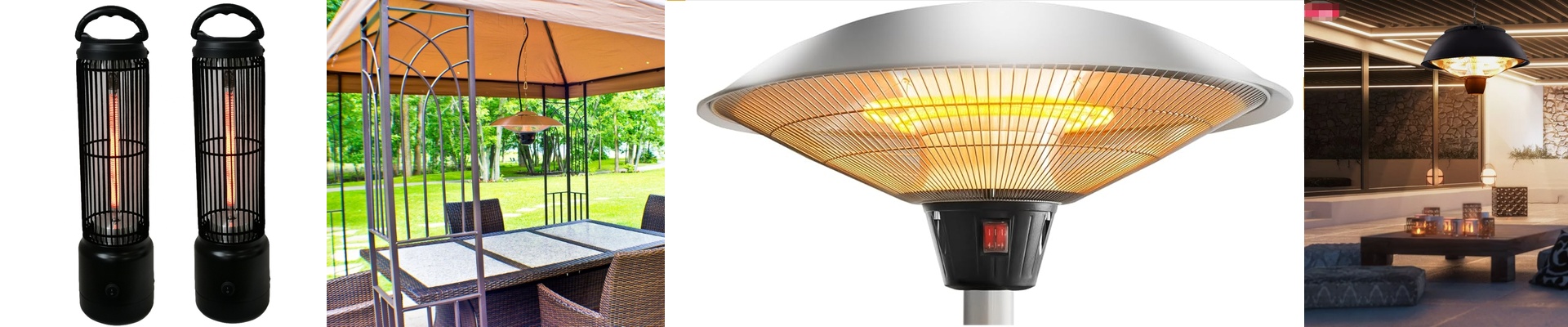
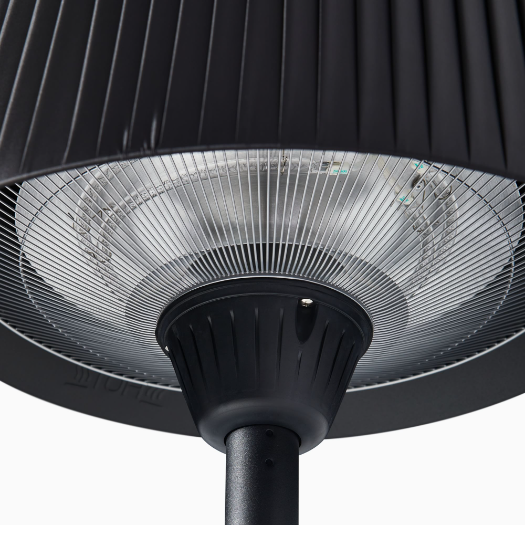
These lamps work using short-wave infrared. The tungsten filament gets hot, the quartz envelope follows suit, and then it beams that energy straight at you. The best part? It doesn’t waste time heating up the air in the room. It heatsyou. You flip the switch, and you feel the warmth immediately. No waiting around shivering in a towel. We also make sure the quartz is high-purity. If it’s not, the UV output can actually eat away at the plastic housing over time. Plus, we use precision-molded ends so the electrical connections stay solid, even when they’re working hard.
The Real-World Trade-off
Installing these isn’t rocket science, but you have to get the seal right. If the housing leaks, the quartz takes on way more stress than it needs to. Now, here is the honest truth: that explosion-proof coating does a number on the heat transmission. You might lose about 5-10% of the raw heat compared to a clear tube you’d find in a lab. But honestly? It’s a trade I’d make every single time. I’d rather have a lamp that’s slightly less intense than one that blows up in someone’s shower. Safety first. Always.