
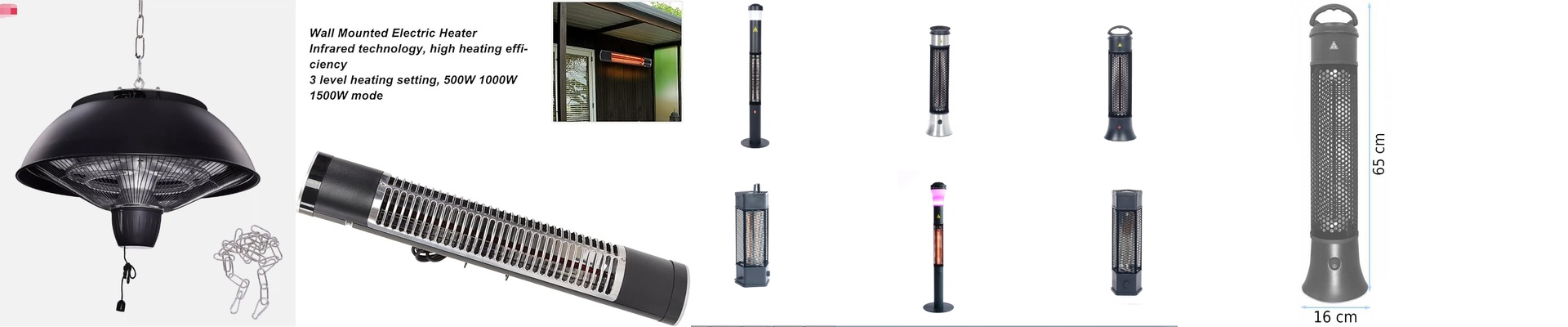
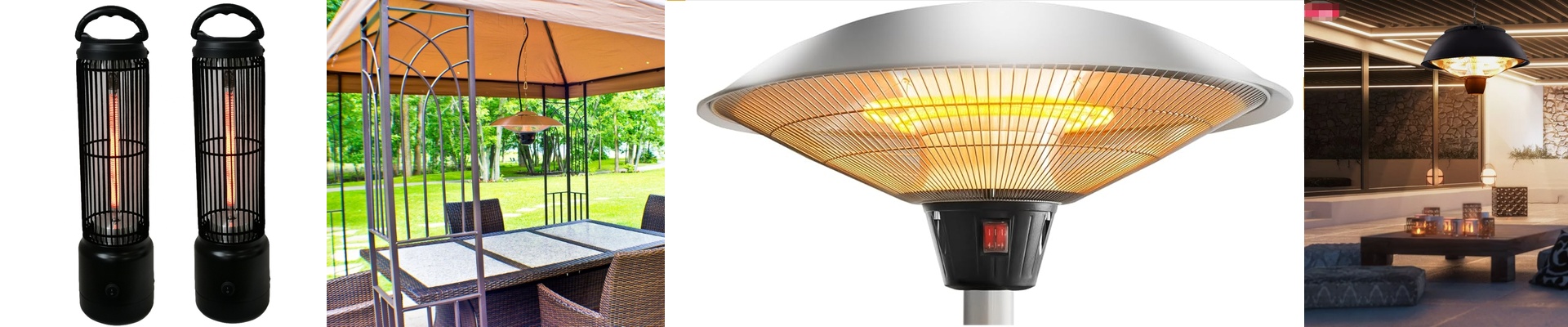
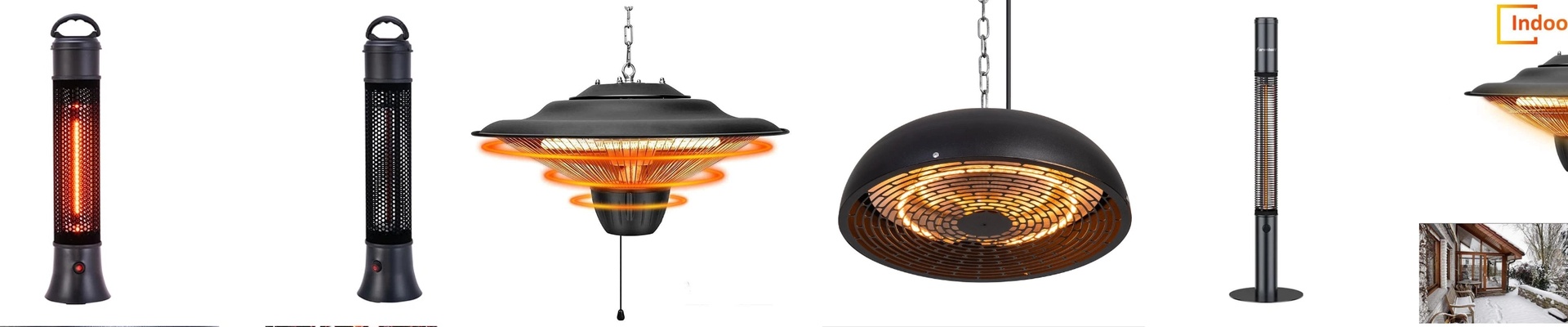
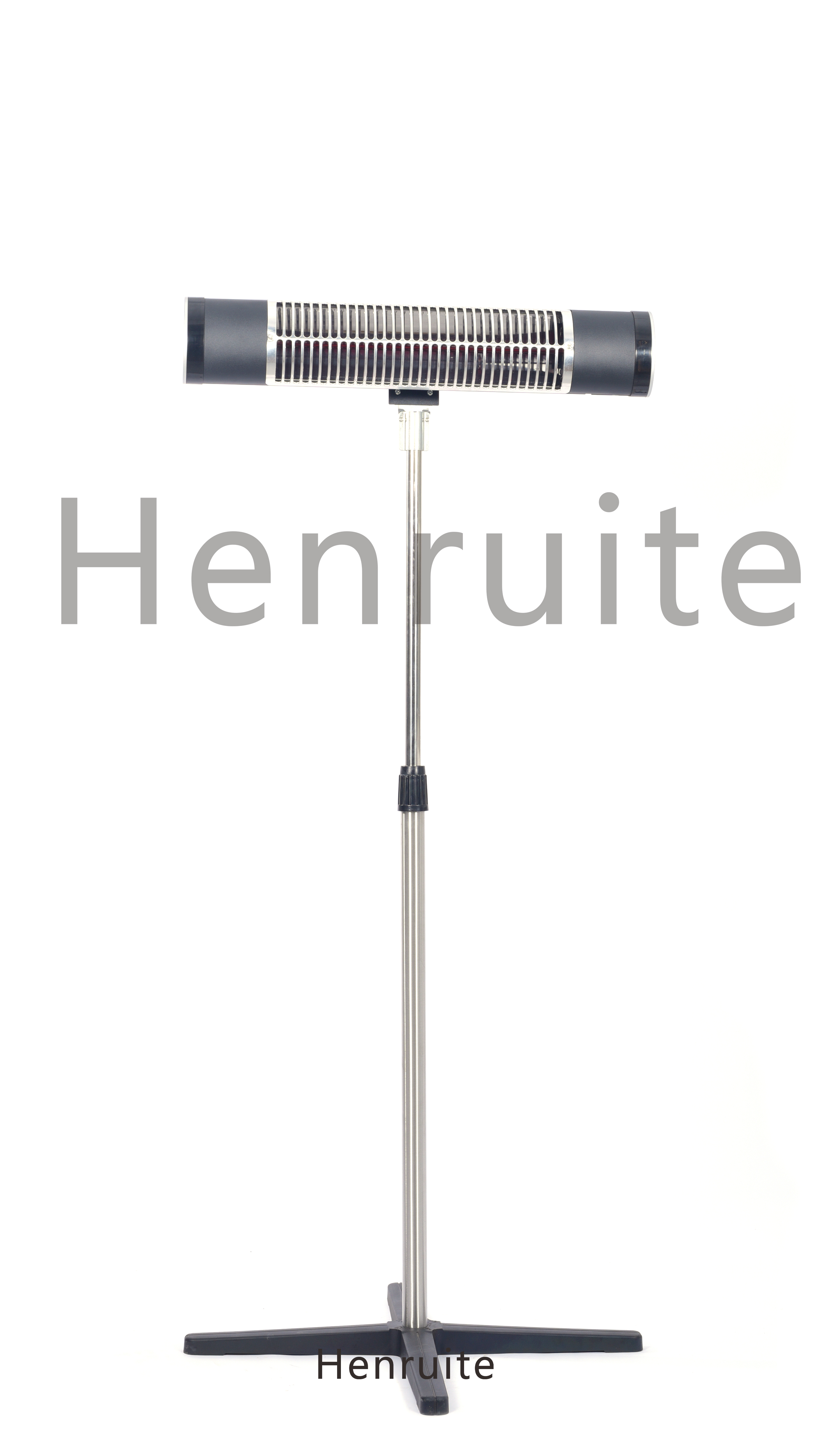
Stop the Bathroom Mold: Why Infrared is Your Secret Weapon
Most people look at those recessed infrared heaters in the ceiling and just think, “Oh, that’ll keep me warm while I’m naked.” But there’s a lot more going on under the hood. It’s not actually about the air temperature. It’s about the surfaces.
How it actually works (without the textbook talk)
Standard heaters try to warm up the air, which is kind of a losing battle in a steamy bathroom. Infrared is different. It sends energy straight to your walls, floors, and ceiling. Think of it like sunlight hitting a sidewalk on a summer day. The air might be cool, but the concrete is scorching. When that IR energy hits a damp wall, it basically pushes the water out of the pores of the tile or paint and turns it into vapor. It’s fast. Really fast. Mold loves a damp, cold surface. By keeping your walls dry and warm, you’re basically making your bathroom a place where mold just can’t survive.
A word of caution on installation
You can’t just slap the most powerful unit you find into a tight ceiling hole. If you go too heavy on the wattage without enough breathing room, you’ll trip the thermal safety switch or—even worse—scorch your ceiling. It’s a balancing act. You want enough heat to dry the tiles, but not so much that the fixture starts overheating.
Don’t forget the fan
Here is the thing: an infrared heater isn’t a magic wand that makes water disappear. It just moves the water from your walls into the air. If you run the heater without your exhaust fan, you’re just creating a sauna. Your mirrors will fog up, and the room will feel heavy and humid. The winning combo? Use the IR heater to flash-dry the surfaces and a strong fan to suck that moisture out of the house. That’s how you actually keep the place healthy.