
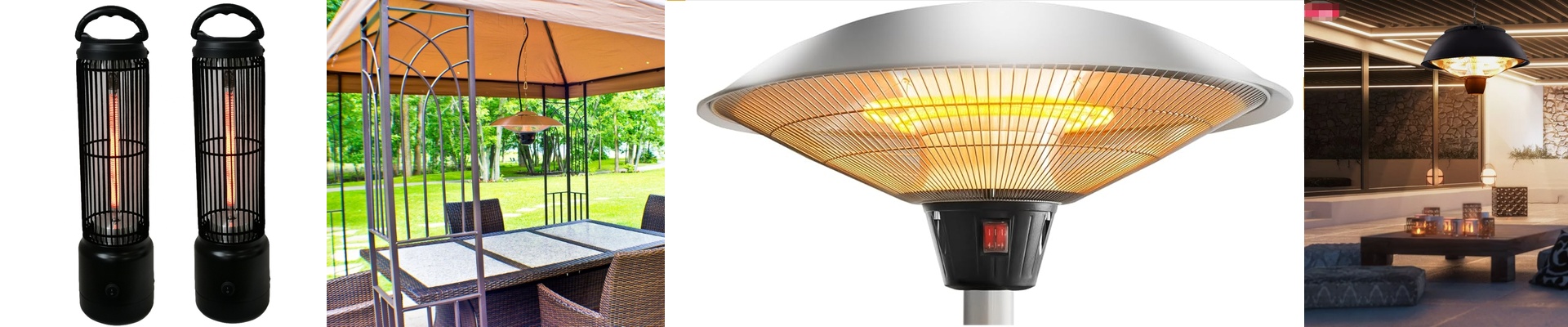
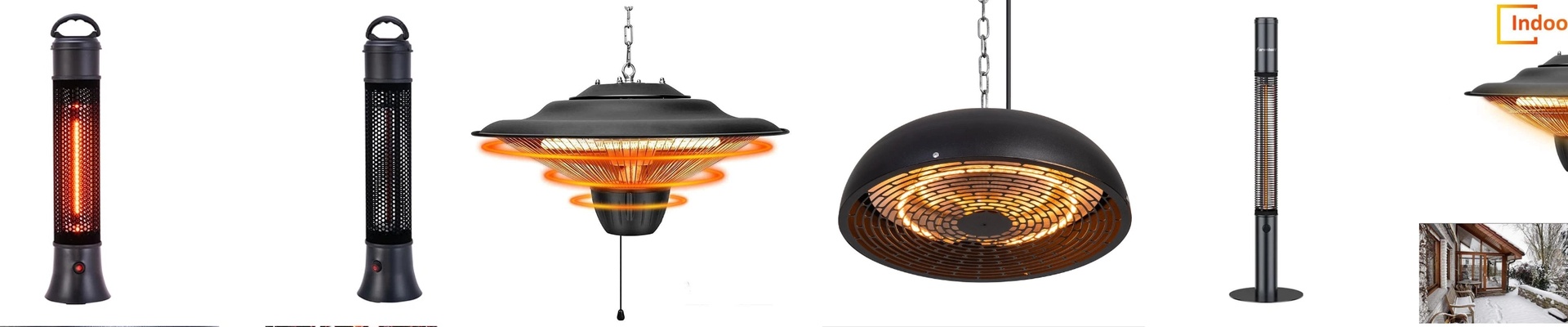
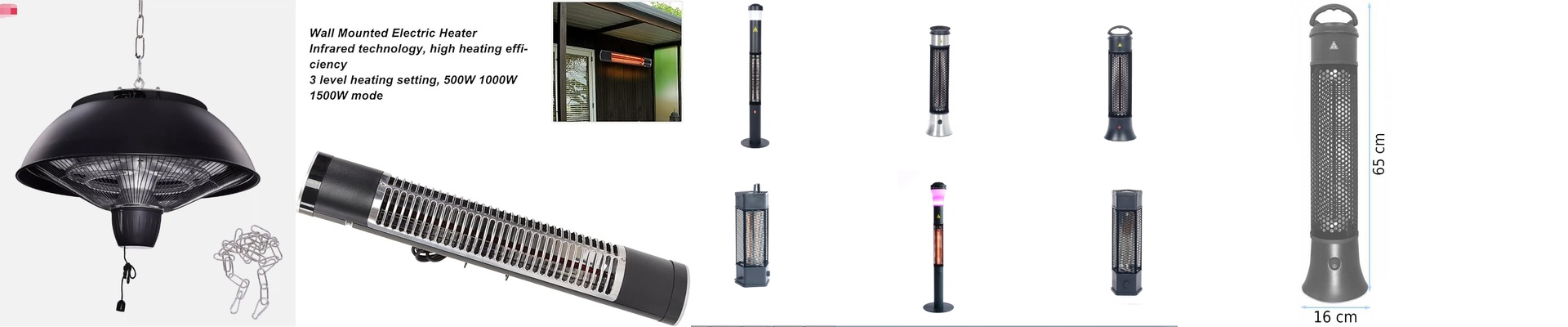
Keeping Your Bathroom IR Heaters Safe (And Dry)
Putting infrared heaters in a bathroom—especially one with high ceilings—is a great move for warmth, but it comes with a couple of headaches: steam and electricity. They don’t mix. In a room full of vapor, standard quartz lamps can act up. Usually, the connection points are the first to go. If moisture gets in there, you’re looking at short circuits or, worse, a fixture that’s actually electrified. Not exactly the vibe you want while taking a shower.
Closing the Gaps
The real battle is won or lost where the power lead hits the lamp. Most of those standard R7s or SK15 sockets have these tiny gaps. They seem harmless, but water vapor finds them every time. To stop that, we don’t just “hope for the best.” We use epoxy-potted connectors or silicone gaskets to physically block the moisture from ever touching the live terminals. We also push the insulation materials way past the 220V-240V limit. Why? Because when the humidity peaks, we want to make sure the leakage current stays incredibly low—well under 0.75mA. It’s about peace of mind.
The Right Stuff
We stick with high-grade alumina or reinforced ceramics for the brackets. They don’t conduct electricity, and they won’t crumble or warp just because it’s hot and steamy in the room. And here is the non-negotiable part: the housing has to be bonded to a dedicated earth ground. If the internal insulation ever decides to quit, the current trips the breaker instantly. It kills the power instead of turning your heater into a hazard.
The Trade-offs
Now, there’s a catch. When you wrap a lamp in heavy-duty insulation or a protective shroud to keep the water out, you lose a little bit of that infrared punch. Some of the heat stays trapped in the housing instead of hitting you. To fix this, we usually just bump up the wattage. Just a heads-up: check your circuit’s amp rating first to make sure it can handle the extra juice. One last tip: use moisture-resistant cabling (like H05V2-K). Regular wires can crack after being heated and cooled a hundred times. Using the right cable means your system won’t burn out or leak current into your ceiling.