
Introduction
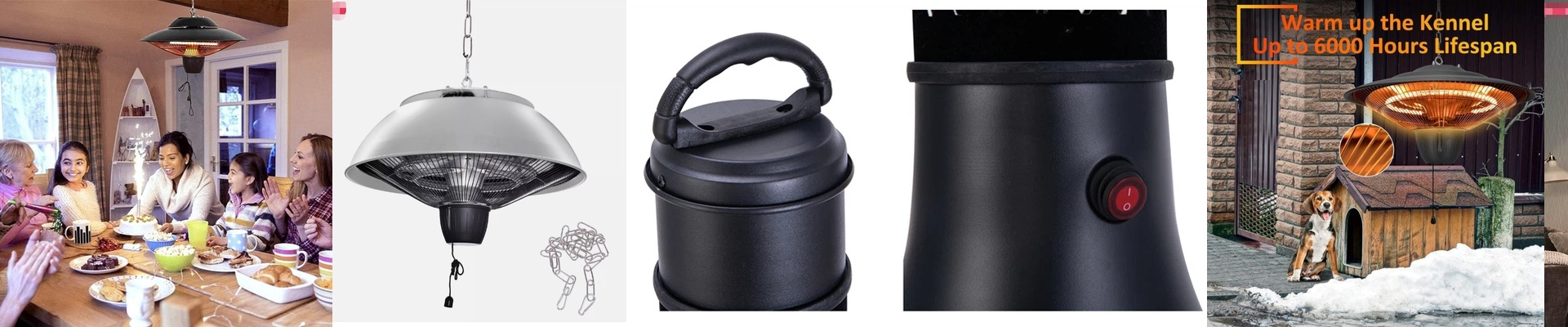
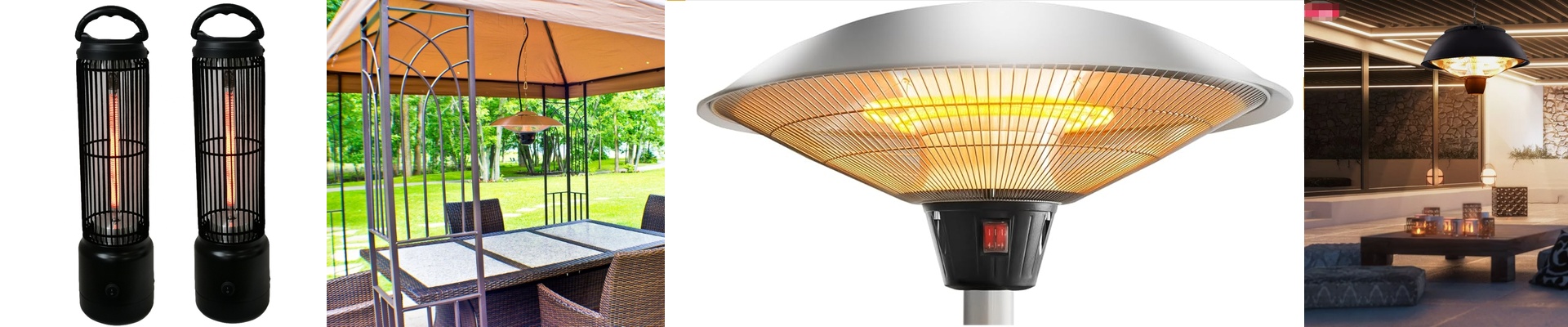
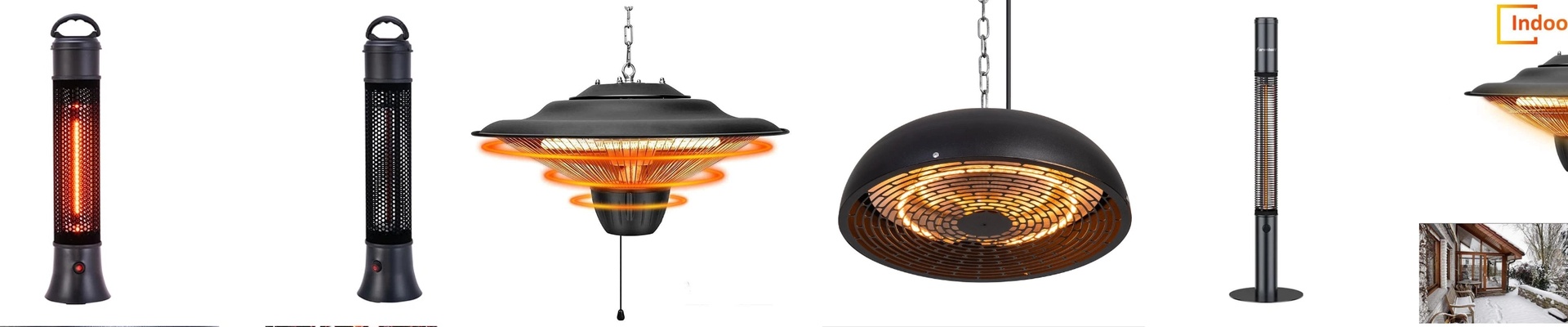
We build these fan-forced quartz heaters for the real world—for industrial work where you need heat that moves, and moves exactly where you point it. It’s all about teamwork: a powerful quartz element paired with a built-in fan. Together, they give you focused, controllable heat that you can steer. And they’re built to handle the grind—heavy-duty cycles, day after day. The best part? They slip right into your existing setup. No rewiring the whole line. Just plug in and get to work.
The Nitty-Gritty
Sizing these heaters comes down to matching wattage and voltage to your plant’s power and your heat needs. Most industrial setups run on 400V, which means you can run the heater straight off the line—no extra transformers required. Packing high wattage into a small tube gives you two big wins: heat-up is fast, and the heat density is high. But that power has to go somewhere, so the housing and controls are built to handle the heat without breaking a sweat. We carefully match the element length—usually around 300mm—to the airflow path. That way, the fan pushes heat where you need it without fighting a lot of pressure.
What They’re Made Of
Quartz tubes earn their keep when temperatures swing hard. They shrug off thermal shock way better than a lot of metal sheaths. Inside, the halogen or quartz element keeps its cool under pressure, giving you steady output even when you’re flipping the switch on and off again and again. And that coating on the tube? It’s not just for looks. It stands up to chemicals and makes cleaning a breeze when dust and oils build up. The R7s connector keeps replacement simple. Two pins, direct fit. No special tools. Just line it up and seat it.
On the Floor, In Action
Out on the line, this setup shines. Spot heating. Drying. Keeping process temperatures steady while the line keeps moving. The fan pulls air across the hot element, so you get even heat distribution and a response that’s way quicker than relying on natural convection. The footprint is small, so it slips into tight spots without a fight. One thing to keep in mind: the higher the wattage, the more you’ll want to manage airflow and cooling around the unit. That keeps all the parts running within their safe limits, and keeps your day running smoothly.