
What This Heater Is Really Built For
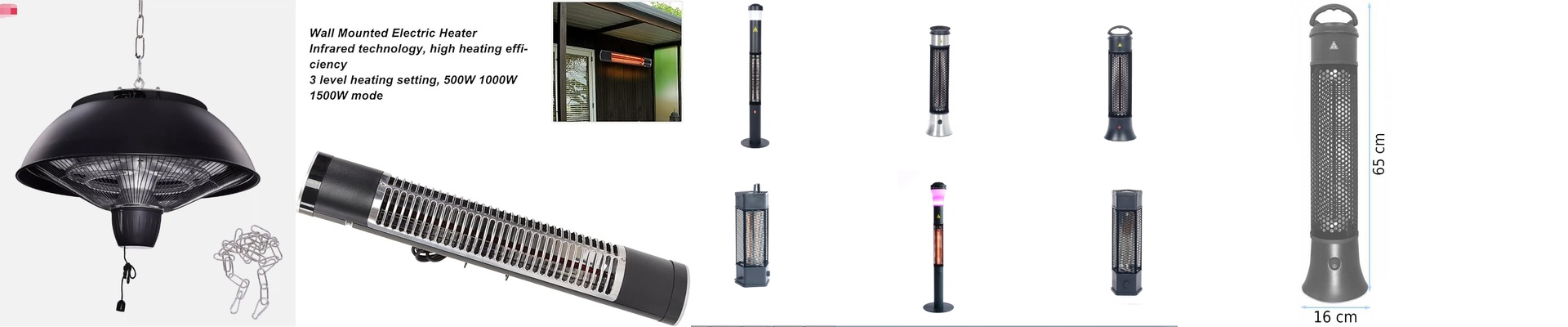
We built this wall-mounted electric heater for one reason: to give you a ton of heat in a seriously tight space. It’s for the engineers who need serious power but can’t afford to waste an inch of floor. So we set it up with a 400V input, a 2500W output, and a 300mm tube. That combination gives you a focused blast of heat that’s ready for the toughest jobs. The 400V pushes the power through, the 2500W delivers the heat density, and the 300mm length gives you a clean, defined heating zone. It’s easy to slot into even the most crowded machine bays.
Built to Take a Beating
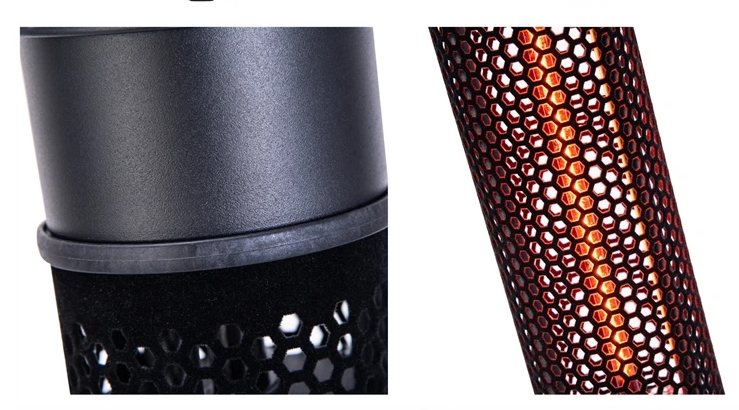
Here’s the thing about industrial gear—it has to work, and it has to keep working. That’s why the heart of this heater is a halogen-filled quartz tube. It keeps the filament stable, so it can handle rapid on-off cycles without burning out. The tube itself is coated to survive the environment. It shrugs off chemical exposure, and when it gets dusty or dirty, a quick wipe-down is all it takes. And we topped it off with an R7s connector. It’s a standard for a reason. It gives you a secure, high-current connection that’s quick to wire up and stays put, even when the whole machine is shaking.
Where It Shines (And What to Watch For)
This heater was made to be mounted on a wall, tucked inside machines and enclosures where space is at a premium. Think PET blowing or plastic forming. The concentrated heat makes for fast heating cycles and keeps the temperature steady. But there’s a trade-off. That high power density means you need to keep things cool around the heater. If your machine’s cooling can’t keep up, the temperature in the area will climb. Plan your airflow and thermal management to match the heater’s output. If you don’t, you’ll shorten the life of the component.