
Introduction
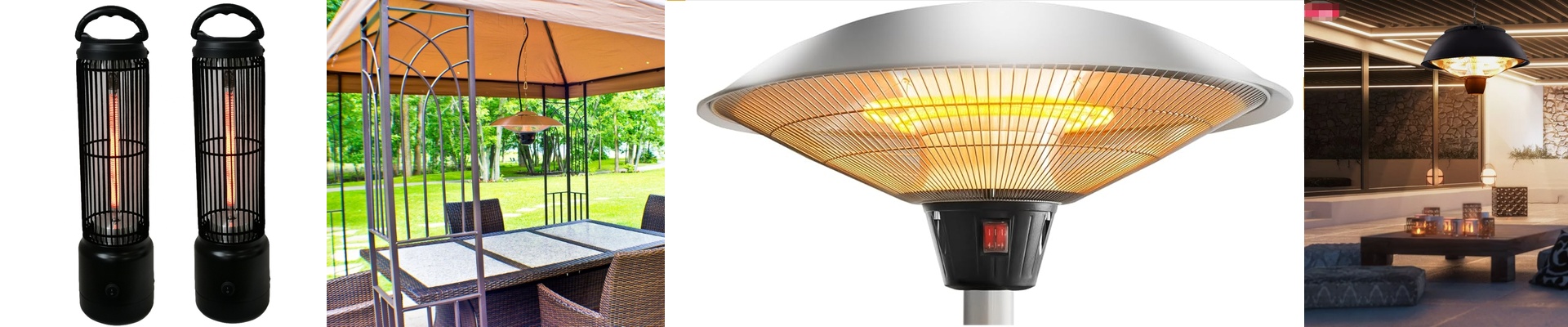
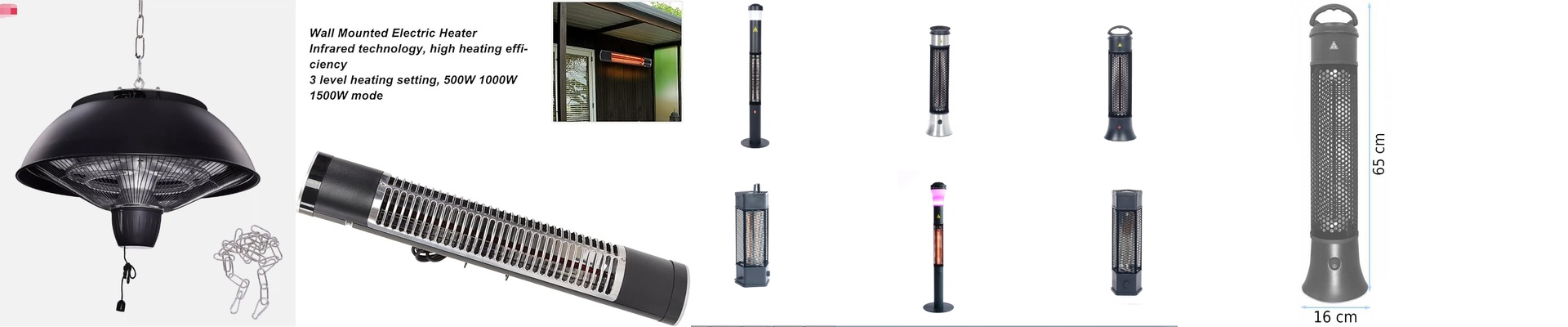
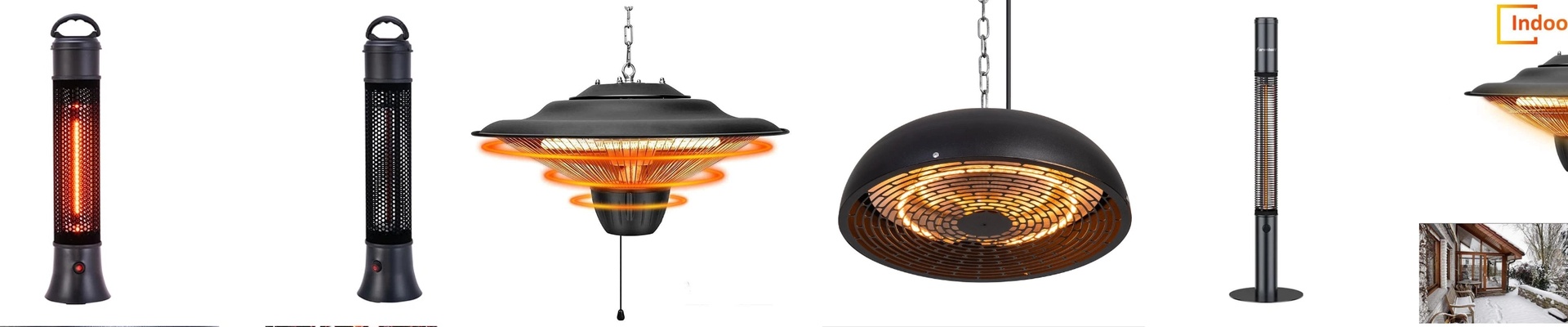
We built these bulk halogen patio heaters for the places that need serious outdoor warmth—think commercial patios where you need heat, and you need it fast. No-fuss installation is the whole point. They’re direct-fit, high-wattage elements designed to slot straight into commercial systems. The focus is simple: steady heat, rugged materials, and wiring that doesn’t make you pull your hair out.
Power, Voltage, and Dimensions—The Practical Stuff
These heaters run on 400V, and that matters. It keeps the current lower than a 230V unit for the same wattage, which means less voltage drop over longer cable runs. In practice, that lets you keep your conductor sizes manageable. The wattage is built for real output—the kind you feel the moment it kicks on. And the tube length is matched to the heater housing, so the element fits cleanly without crowding the reflector or the terminal box. No squeezing, no compromises.
What’s Inside: Halogen, Quartz, Coating, and Connectors
The core is a halogen-filled quartz tube. Why quartz? It can take the extreme heat of the filament and handles repeated on/off cycles without cracking under thermal shock. The halogen gas helps keep output steady over the life of the element and cuts down on blackening inside the tube. A reflective coating on the outside pushes infrared energy forward, so more of the heat goes where you aim it—not wasted sideways. And the connector? We use an R7s two-pin design. It’s compact, made for high-temperature terminal blocks, and makes wiring quick. When it’s time to service, you can do it without hunting down special tools.
Where They Shine: Commercial Patios, Done Right
These heaters are made for bulk deployment on commercial patios, where you need heat you can count on—and maintenance that doesn’t turn into a headache. The high heat density means fast warm-up, which is great, but it also means your control enclosure and ventilation need to be properly sized. Here’s the trade-off: the closer you mount the element, the hotter the reflector runs. So plan your clearances and thermal protection up front. Get that right, and you’ve got a system that just works.