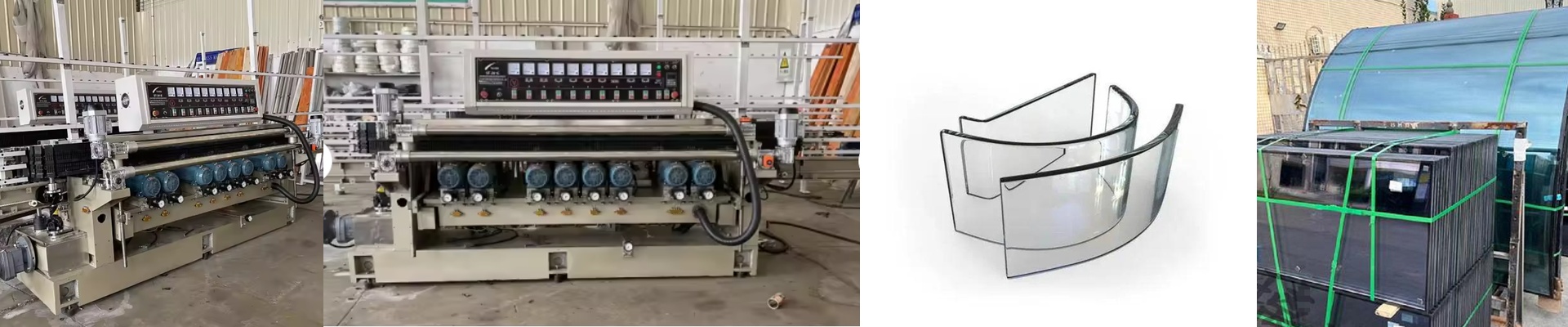
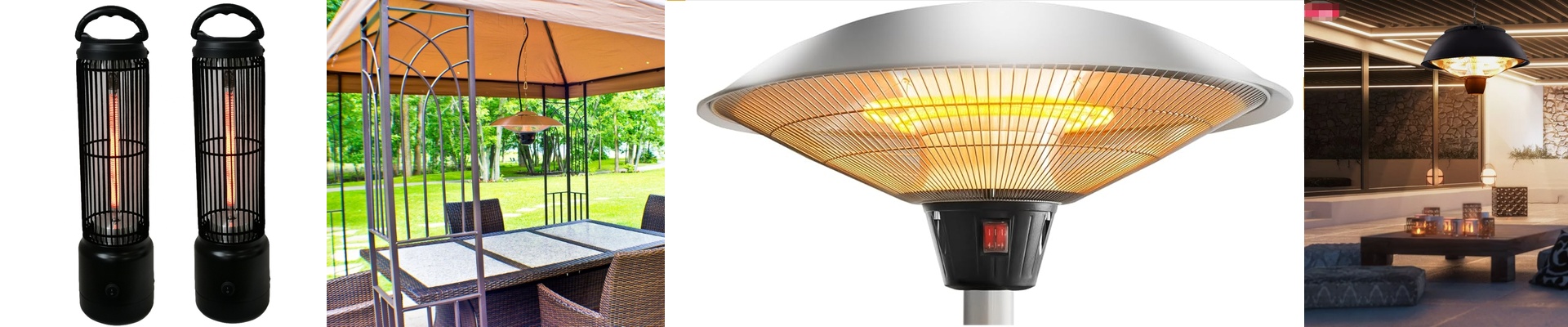
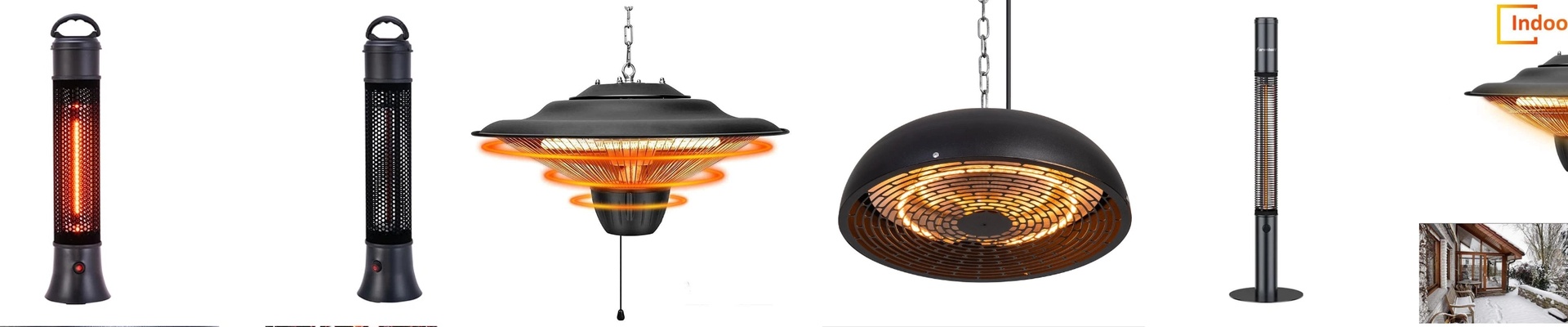
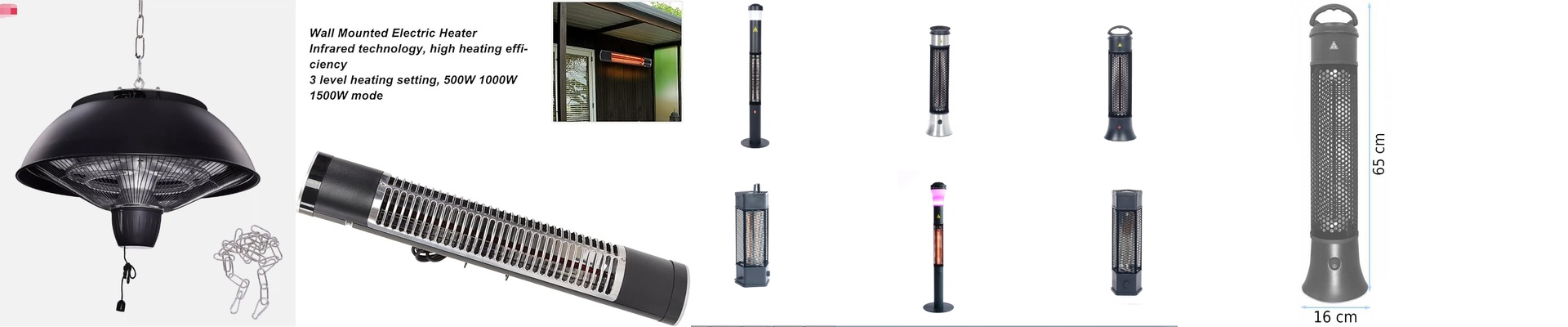

On the glass line, quartz heater tubes always seem to quit at the worst possible moment. Output drifts, zones run hot or cold, and the thermal field turns into a patchwork of peaks and valleys. That unevenness shows up as optical distortion, thermal stress fractures, and tempered or bent parts that end up in the scrap bin. We built a direct replacement tube to break that cycle. What matters under the hood We run short-wave infrared emitters matched to how glass absorbs heat, so you get fast radiant heat with low thermal inertia. The element geometry is shaped to keep emissivity uniform across the active length, which keeps the hot zone consistent end-to-end. Standard voltages and industry-standard mounting and terminal layouts mean it drops straight into existing ovens and heating modules without re-engineering the line. Warm-up is quick, temperature control tightens up, and output stays stable over long runs. Here is why this matters on the floor. In tempering, bending, coating drying, and lamination preheat, time and temperature stability drive yield. Fast response means shorter heat cycles and higher throughput. Uniform heating lowers thermal stress and keeps optical quality in spec. You also save energy because the heater puts heat into the glass directly, not into the air around it, and the control response is tighter. Reliability improves too—fewer replacements, fewer line stops, and fewer safety callouts from tired quartz. Installation is straightforward, but match the electrical connections and clearances exactly. The new tube runs hotter at the surface than some older designs, so double-check shielding and guarding. Keep the reflector clean and aligned; if it’s off, you lose uniformity. For the best results, pair the tube with a controller that supports stable closed-loop control. This is a direct replacement, not a system redesign, and it pays off when uptime and scrap rates are the things you’re sweating.
על קו הזכוכית, צינורות חימום קוורץ נוטים להיכשל תמיד ברגע הכי לא מתאים. תפוקת החימום מתנדנדת, אזורים מתחממים או מתקררים יתר על המידה, ושדה החום הופך לפסיפס של גבהים ועמקים. אי-אחידות זו מתבטאת בעיוותים אופטיים, סדקים נגרמים מלחץ תרמי, וחלקים מחוזקים או מעוקלים שמסתיימים בפסולת. פיתחנו צינור החלפה ישיר כדי לשבור את המעגל הזה.
מה שחשוב מתחת למכסה המנוע
אנחנו מפעילים מפיצי אינפרא-אדום בגל קצר שתואמים את אופן ספיגת החום של הזכוכית, כך שמתקבל חימום קרינה מהיר עם אינרציה תרמית נמוכה. גיאומטריית האלמנט מעוצבת כך שתשמר פליטת קרינה אחידה לאורך הפעיל, מה שמבטיח אזור חם קבוע מקצה לקצה. מתחי חשמל סטנדרטיים וסידורי הרכבה וטרמינלים לפי תקן התעשייה מאפשרים התקנה ישירה לתנורים ומודולי חימום קיימים ללא צורך בהנדסה מחודשת של הקו. ההתחממות מהירה, בקרת הטמפרטורה מתהדקת, והתפוקה נשמרת יציבה לאורך ריצות ארוכות.
הנה למה זה חשוב בקו הייצור. בטמפרינג, כיפוף, ייבוש ציפויים וחימום מקדים ללמינציה, יציבות זמן וטמפרטורה משפיעה ישירות על התפוקה. תגובה מהירה מאפשרת מחזורי חימום קצרים יותר וקצב ייצור גבוה יותר. חימום אחיד מפחית לחץ תרמי ושומר על איכות אופטית בהתאם למפרט. בנוסף, חוסכים אנרגיה כי החימום מועבר ישירות לזכוכית, לא לאוויר סביבה, ובקרת הטמפרטורה מדויקת יותר. גם האמינות משתפרת—פחות החלפות, פחות עצירות קו, ופחות קריאות בטיחות בגלל קוורץ מותש.
ההתקנה פשוטה, אך חשוב להתאים במדויק את חיבורי החשמל והמרווחים. הצינור החדש פועל בטמפרטורה גבוהה יותר על פני השטח לעומת עיצובים ישנים יותר, לכן יש לבדוק היטב את ההגנה והצללה. יש לשמור על המראה נקי ומיושר; אם הוא סטה, מאבדים אחידות. לתוצאות מיטביות, יש לשלב את הצינור עם בקרה התומכת בשליטה יציבה בלולאה סגורה. זוהי החלפה ישירה, לא עיצוב מחדש של המערכת, וזה מתבטא בשיפור זמינות הקו והפחתת הפסולת.